
Understanding Knee Pain During Lunges
Lunges are a fantastic exercise to strengthen your legs and enhance your balance. However, if you’re over 50 and experiencing knee pain, you might think lunges are off-limits. As a physical therapist, I encourage you to reconsider. When done correctly, lunges can actually alleviate knee pain. In this post, we’ll explore the three common mistakes people make during lunges and how to fix them.
Common Mistakes and How to Correct Them
Mistake 1: Taking Too Narrow of a Step
One of the most prevalent mistakes is taking a step that is too narrow. This can occur both from front to back and side to side. If your step is too narrow from front to back, your knee may shift forward over your toes. While this is not inherently wrong, it places excessive stress on your quadriceps and can result in increased knee pain.
To correct this, aim for a wider step. This will shift your weight onto your heels, engaging your glutes more effectively and reducing knee compression. Similarly, for side-to-side movement, a wider stance is crucial for maintaining balance and proper alignment of your hips, knees, and toes.
Mistake 2: Allowing Your Knee to Collapse Inward
Another mistake occurs when individuals allow their knees to collapse inward as they lunge. This often happens due to weakness in the hip abductors. To combat this, focus on placing more weight on the outer part of your foot and intentionally driving your knee outward.
Remember, you don’t have to lower yourself all the way to the ground if you’re experiencing discomfort. Go as low as feels comfortable while maintaining proper form. This will help you keep your knee aligned and reduce the risk of injury.
Mistake 3: Keeping the Heel of the Back Leg Down
Many people try to keep the heel of their back leg on the ground during a lunge. This often stems from taking a too-short or too-narrow step. To execute a proper lunge, it’s essential to lift your back heel off the ground, allowing more natural movement.
When you raise your heel, most of your weight should be on your front leg, while the back leg serves primarily as a balance point. This adjustment will enable you to get deeper into your lunges without compromising your form.
Progressing to More Dynamic Lunges
Once you’ve mastered the stationary lunge or split squat, it’s time to progress to more dynamic variations, such as the reverse lunge. In this exercise, you step back rather than forward, which helps maintain knee safety.
Start from a standing position, step back with one leg, and lower yourself as needed. Focus on keeping your weight over your heel and not pushing your knee forward too much. As you gain confidence, you can increase the depth of your lunge.
Ultimate Lunge: Walking Lunges
The walking lunge provides a functional aspect to your training. This exercise requires you to alternate legs while maintaining balance, similar to going upstairs. As you step forward, ensure you step, drop straight down, and drive back up without leaning too far forward.
By keeping your form in check, you can enjoy the benefits of walking lunges while minimizing the risk of knee pain.
Conclusion: Take the Next Step Towards Pain-Free Lunges
In summary, remember these three key points to avoid knee pain while lunging: take a long enough and wide enough step, maintain proper alignment to keep your knees from collapsing inward, and allow your back heel to lift off the ground for better movement. With these adjustments, you can safely incorporate lunges into your routine, even if you have knee pain.
For further guidance, consider consulting a physical therapist to tailor an exercise program that suits your individual needs. Start strengthening your legs today, and don’t let knee pain hold you back!
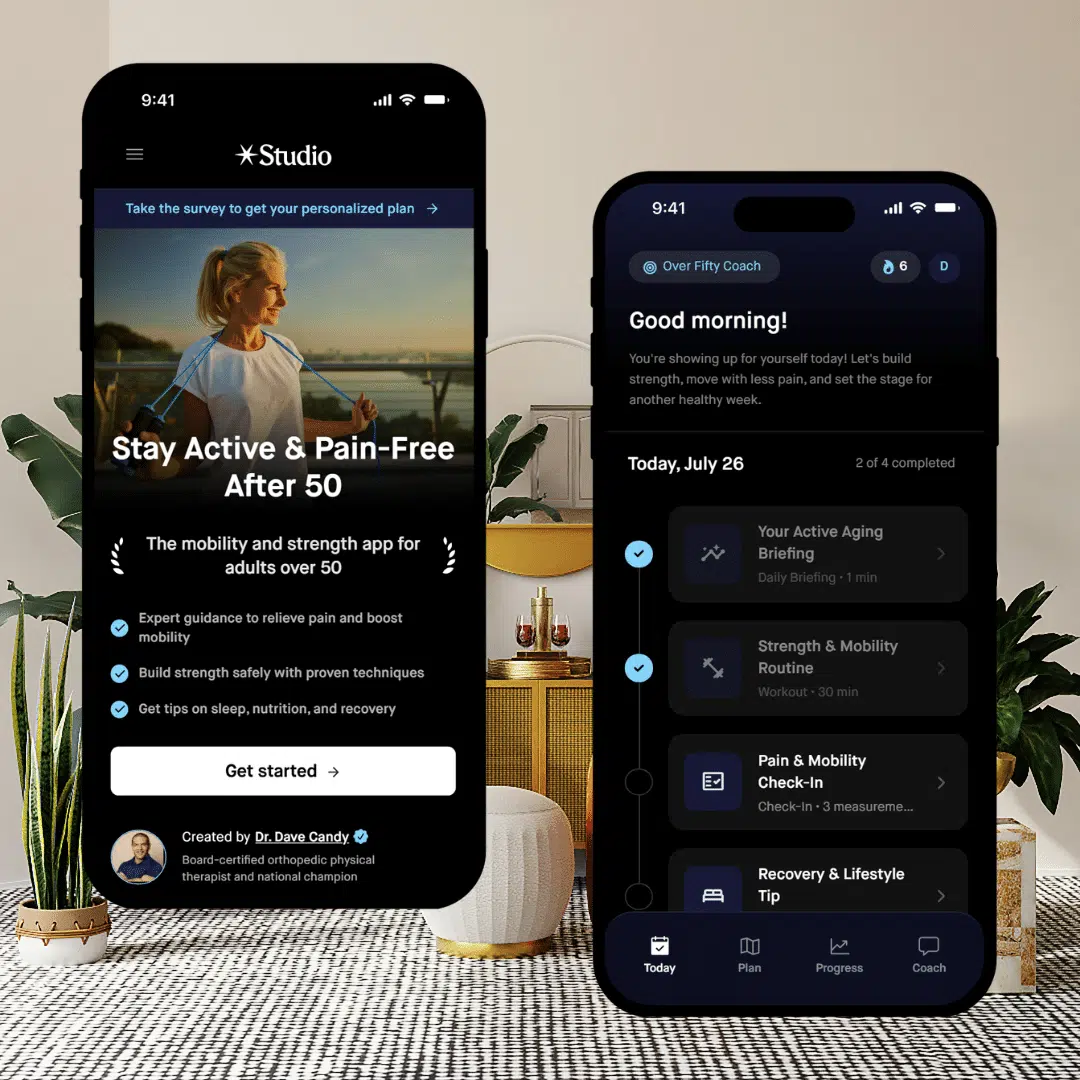
Need Help To Stay Strong and Mobile After 50?
Affiliate Disclosure: This post contains affiliate links to Amazon and/or other sites. While I only recommend products that I trust, as an Amazon Associate, I earn commission from qualifying purchases at no extra cost to you.
Medical Disclaimer: The content on this site is for educational and informational purposes only and is not intended as medical advice. Always consult with a qualified healthcare professional before beginning any new exercise program, diet, or supplement regimen, especially if you have pre-existing health conditions.