
Understanding Muscle Knots in Your Legs
Muscle knots, particularly in your legs, can cause discomfort and limit your mobility. They often occur in the quadriceps, hamstrings, and calves, creating tightness and pain. If you’ve been struggling with these knots, you’re not alone. Fortunately, there are effective methods to release muscle knots in legs that you can start implementing today.
What Not to Do: Avoid Stretching
One common misconception about treating muscle knots is that stretching is beneficial. While stretching is generally a good practice, it’s not effective for muscle knots. When you stretch a knotted muscle, you may actually exacerbate the problem. This is because the muscle fibers are not uniform like rubber bands; they have overlapping structures. Stretching primarily affects the parts of the muscle that are already flexible, leaving the tight areas untouched.
The Science Behind Muscle Knots
When you stretch a knotted muscle, it activates muscle spindles, receptors that can heighten tension rather than relieve it. This means that instead of loosening the knot, stretching may cause the muscle to contract further, worsening your discomfort. Understanding this is key to effectively managing muscle knots.
Five Effective Solutions for Muscle Knots
1. Foam Rolling
Foam rolling is a popular technique for relieving muscle tension. It can be particularly effective for larger muscles like the quadriceps and hamstrings. By rolling back and forth, you can apply pressure to the knots. However, be cautious when using a foam roller on your calves, as it can be less effective due to body weight distribution.
2. Using a Rolling Pin
A rolling pin can serve as a more pinpoint tool for muscle knots. Unlike a foam roller, a rolling pin allows for more targeted pressure, making it ideal for smaller muscle groups like your calves. You can apply pressure to the specific areas where you feel knots, helping to release tension effectively.
3. Massage Guns
Massage guns are a modern solution for muscle knots. These devices use vibration to help relax your muscles. By using a large head attachment, you can cover more surface area, while smaller attachments can target specific knots. The vibration sensation reaches your brain faster than pain signals, which helps to relax tight muscles.
4. Manual Massage Techniques
Using your hands to massage the knots can be particularly effective. By applying gentle pressure to the sore areas, you can feel both the muscle and your fingers, providing two-way feedback. This technique is particularly useful for knots in the calves. Hold the pressure on the knot for about one to two minutes to allow the muscle to relax.
5. Professional Treatment: Dry Needling
For persistent knots, consider consulting a physical therapist for dry needling. This technique involves inserting a thin needle directly into the muscle knot. It deactivates the knot neurologically and can provide significant relief. Always seek treatment from a qualified professional to ensure safety and effectiveness.
Next Steps for Relief
Once you’ve treated your muscle knots using one of these methods, it’s crucial to stretch the affected muscles gently. This helps to maintain flexibility and prevent the knots from returning. Remember, addressing muscle knots in your legs doesn’t have to be a daunting task. With the right techniques, you can effectively manage and relieve discomfort.
If you live in St. Louis and need further assistance with muscle knots, consider reaching out to a local physical therapist. They can provide tailored treatment options to suit your needs.
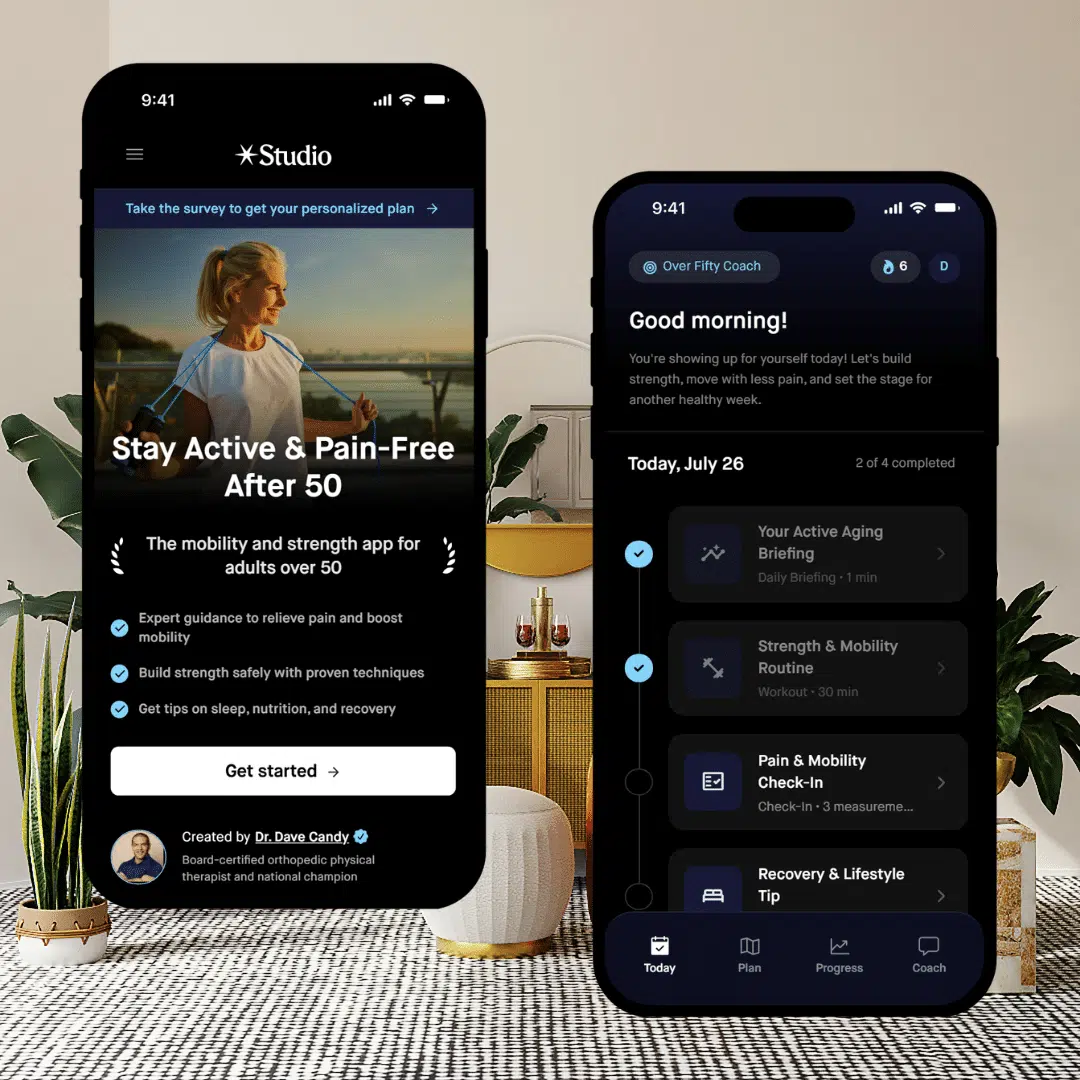
Need Help To Stay Strong and Mobile After 50?
Affiliate Disclosure: This post contains affiliate links to Amazon and/or other sites. While I only recommend products that I trust, as an Amazon Associate, I earn commission from qualifying purchases at no extra cost to you.
Medical Disclaimer: The content on this site is for educational and informational purposes only and is not intended as medical advice. Always consult with a qualified healthcare professional before beginning any new exercise program, diet, or supplement regimen, especially if you have pre-existing health conditions.