
Understanding Whole Body Vibration Therapy
Whole body vibration therapy has gained attention as a potential treatment for knee arthritis. This therapy involves using a vibration platform that oscillates the body at various frequencies and amplitudes, mimicking the impact forces experienced while walking. With knee osteoarthritis being a leading cause of disability, understanding the effectiveness of this therapy is crucial for those seeking relief.
Research Findings on Vibration Therapy for Knee Arthritis
A systematic review encompassing 14 randomized controlled trials has provided valuable insights into the effectiveness of whole body vibration therapy for knee arthritis. It was found that participants who engaged in vibration therapy reported significant improvements in pain levels and physical function compared to those who only performed traditional exercise. Specifically, the study indicated a moderate effect size in pain reduction and quadricep strength enhancement.
Effectiveness of Vibration Therapy
According to the study, the standardized mean difference (SMD) for pain was 0.46, indicating a moderate effect. This means individuals who used vibration therapy experienced less pain than those who relied solely on exercise. Additionally, improvements in knee extension strength and physical function were notable, further supporting the benefits of incorporating vibration therapy into treatment plans.
Dosage and Frequency of Vibration Therapy
To achieve the desired results, it is essential to adhere to a specific dosage and frequency of vibration therapy. Most studies suggest engaging in vibration therapy three times a week, with each session lasting between 18 to 75 minutes. This consistency is vital for maximizing the benefits, as simply using the device once a week will likely not yield significant improvements.
Choosing the Right Vibration Device
If you’re considering investing in a vibration platform, it’s important to select one that meets certain specifications. Look for devices that offer frequency settings between 10 to 30 Hertz, as studies suggest this range provides the most effective results. Additionally, the amplitude should ideally fall between 2 to 4 millimeters for optimal performance.
Recommended Products for Home Use
While commercial models like the Power Plate are popular, they can be quite expensive, ranging from several hundred to thousands of dollars. However, there are affordable alternatives available on platforms like Amazon. For example, the Rumblex Plus offers a frequency range suitable for effective therapy at a more accessible price point.
What to Expect from Vibration Therapy
While vibration therapy can significantly improve knee pain and strength, it is not a cure-all. It has not shown substantial effects on joint stiffness or overall quality of life. Therefore, it should be viewed as a complementary treatment to traditional exercises and physical therapy.
Next Steps for Those Considering Vibration Therapy
If you’re experiencing knee arthritis and are interested in vibration therapy, start by consulting with a healthcare professional to discuss your specific needs. They can help you determine if this therapy is suitable for you and guide you in creating a comprehensive treatment plan that incorporates vibration therapy along with traditional methods.
In summary, vibration plates can be beneficial for knee arthritis by enhancing pain relief and physical function when used correctly. Make sure to consider the recommended frequency and device specifications to optimize your results.
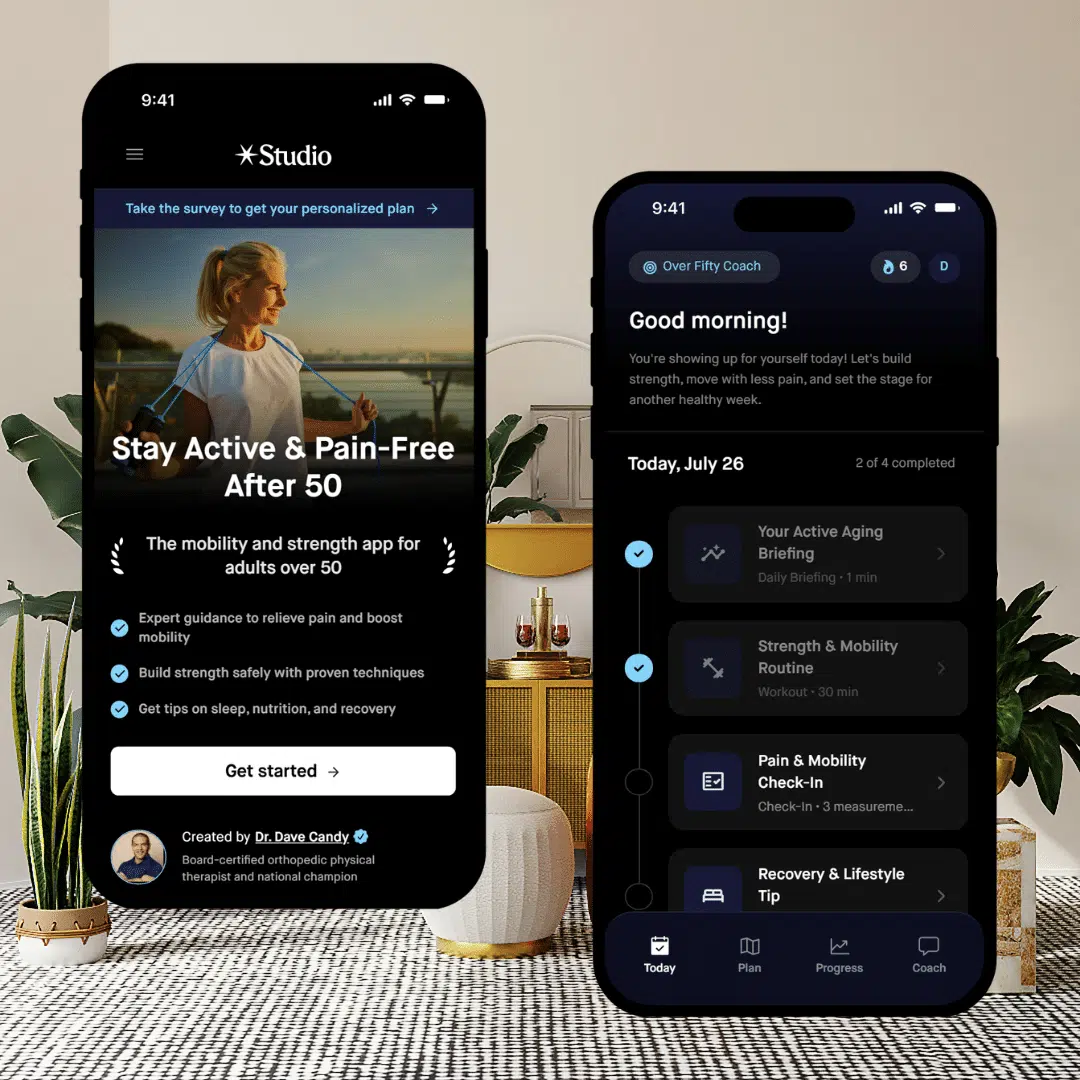
Need Help To Stay Strong and Mobile After 50?
Affiliate Disclosure: This post contains affiliate links to Amazon and/or other sites. While I only recommend products that I trust, as an Amazon Associate, I earn commission from qualifying purchases at no extra cost to you.
Medical Disclaimer: The content on this site is for educational and informational purposes only and is not intended as medical advice. Always consult with a qualified healthcare professional before beginning any new exercise program, diet, or supplement regimen, especially if you have pre-existing health conditions.