
Understanding MCT Oil: What Is It?
MCT oil, or medium-chain triglycerides, has surged in popularity for those seeking a quick energy boost without the crash associated with traditional carbohydrates. But what exactly is MCT oil, and how does it work?
MCTs are a type of fat that is metabolized differently than long-chain triglycerides (LCTs). Unlike LCTs that require extensive digestion, MCTs can be rapidly absorbed into the bloodstream and converted into energy.
How MCT Oil Works in Your Body
When ingested, MCTs are transported directly to the liver via the portal vein, where they are quickly converted into ketones. Ketones serve as an alternative energy source, providing a quick boost in energy without elevating blood sugar levels.
This process helps avoid the insulin spikes and subsequent crashes that often follow high-carb meals, making MCT oil a favorable option for busy professionals, students, and those looking for sustained energy.
Who Can Benefit from MCT Oil?
Several groups of people may find MCT oil particularly beneficial:
- Busy Professionals and Students: If you need an afternoon pick-me-up without the risk of an energy crash, MCT oil can be a great option.
- Athletes: Those who engage in aerobic exercise can utilize MCT oil to maintain energy levels and support fat-burning.
- Individuals on Low-Carb or Keto Diets: MCT oil provides a quick source of energy without the need for high carbohydrates.
- Type 2 Diabetics: For those managing insulin resistance, MCT oil offers a way to gain energy without carbohydrate intake.
Who Should Avoid MCT Oil?
While MCT oil can provide benefits, it’s not for everyone. Here are some individuals who should be cautious:
- Type 1 Diabetics: Individuals with type 1 diabetes can produce ketones naturally, and excessive ketone levels can lead to diabetic ketoacidosis, a serious condition.
- People Engaging in Intense Exercise: Those performing high-intensity workouts may need carbohydrates for energy, as MCTs rely on aerobic pathways for metabolism.
Incorporating MCT Oil into Your Diet
If you decide to add MCT oil to your regimen, there are several ways to do so:
- Liquid MCT Oil: This is often derived from coconut oil and can be easily added to beverages. However, it needs to be blended into drinks like coffee to prevent separation.
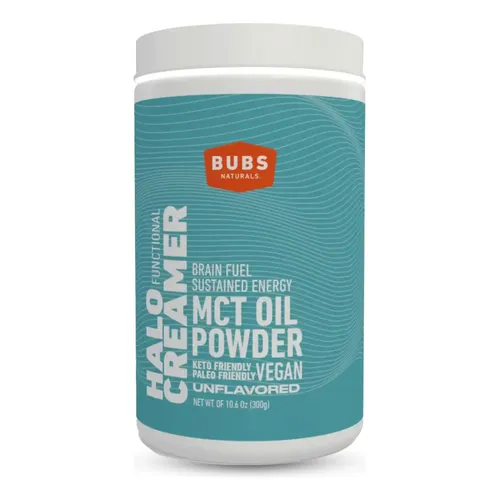
- MCT Oil Powder: For those who prefer convenience, MCT oil powder can be mixed easily into foods and beverages. Just be mindful of the carbohydrate content if you’re on a strict keto diet.

Choosing the Right MCT Oil
When selecting MCT oil, look for products that contain C8 (caprylic acid) and C10 (capric acid) fatty acids, as these are the most effective for quick energy. Avoid products that contain a high percentage of lauric acid, as it behaves more like a long-chain fatty acid and may not provide the same rapid energy boost.
Conclusion: Your Next Steps with MCT Oil
Incorporating MCT oil into your daily routine can provide you with a quick and sustainable energy source while avoiding the pitfalls of blood sugar spikes. If you are considering adding it to your diet, consult with a healthcare professional, especially if you have underlying health conditions.
As with any supplement, start with a small amount to assess your tolerance. Whether you choose liquid or powdered forms, MCT oil can be a valuable addition to your health and wellness journey.
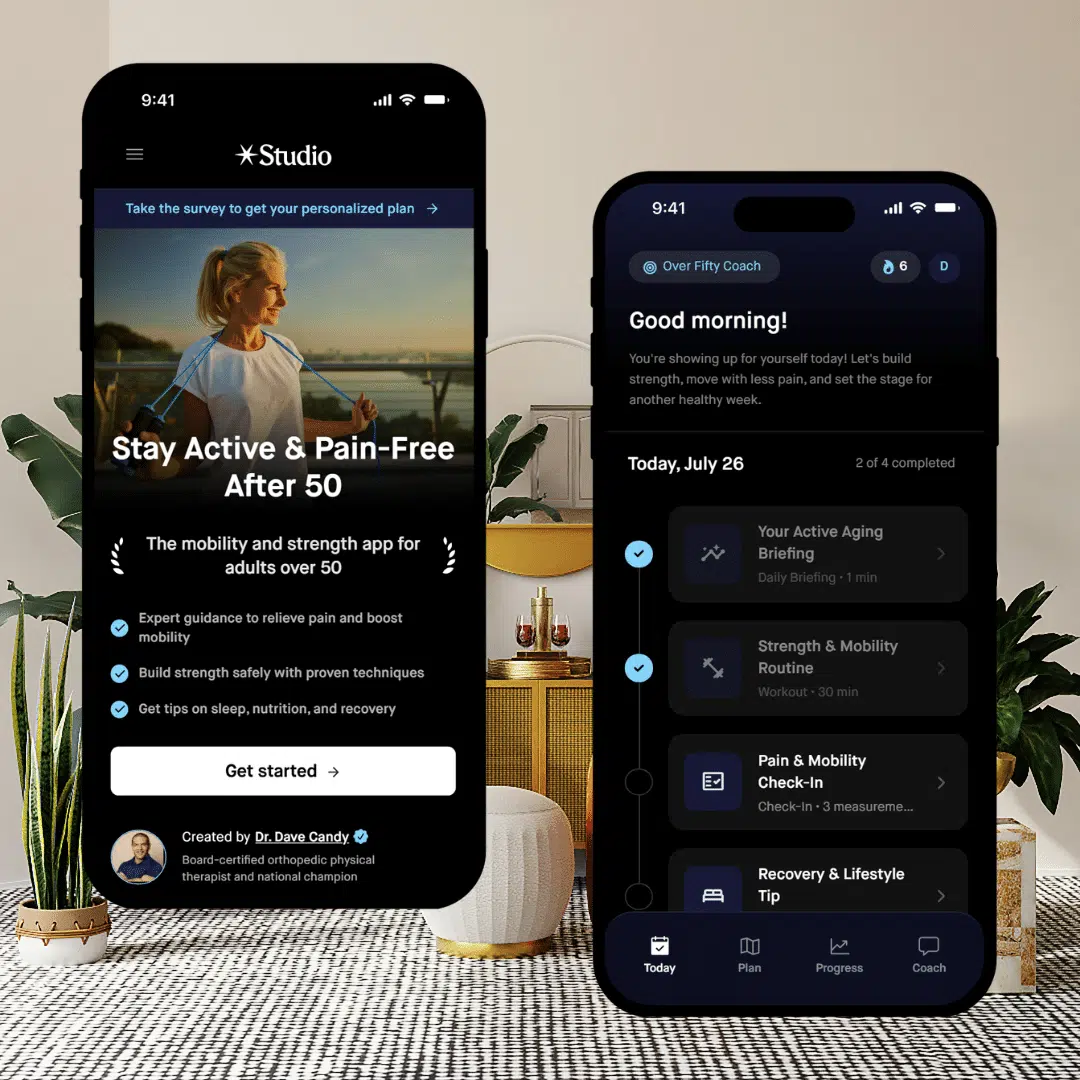
Need Help To Stay Strong and Mobile After 50?
Affiliate Disclosure: This post contains affiliate links to Amazon and/or other sites. While I only recommend products that I trust, as an Amazon Associate, I earn commission from qualifying purchases at no extra cost to you.
Medical Disclaimer: The content on this site is for educational and informational purposes only and is not intended as medical advice. Always consult with a qualified healthcare professional before beginning any new exercise program, diet, or supplement regimen, especially if you have pre-existing health conditions.