
Understanding Squatting and Knee Pain
If you’re experiencing knee pain when squatting, you’re not alone. Many individuals struggle with discomfort during this common exercise. Fortunately, there are ways to squat properly to avoid aggravating your knees and back. In this guide, we will explore the fundamentals of squatting and highlight variations that cater to your unique body mechanics.
Finding Your Ideal Squat Stance
First and foremost, establishing the correct stance is crucial. What’s comfortable for one person may not be suitable for another. Start by experimenting with your foot positioning. If you notice discomfort when your feet are pointed straight ahead, try adjusting them slightly outward. Your goal is to find a natural position that allows you to squat without pain.
Experiment with Foot Positioning
Stand with your feet hip-width apart and make small adjustments. Are your toes pointing straight ahead or angled out? Generally, if your feet naturally point out, squatting with that alignment can help reduce strain on your knees. Take note of any discomfort and adjust accordingly.
Maintaining Balance During the Squat
Another key aspect of squatting is keeping your center of gravity balanced. When squatting, ensure that your weight is evenly distributed over your feet. This can be achieved by maintaining either an upright trunk position or by leaning your trunk slightly forward. Understanding your body mechanics plays a significant role here; individuals with longer femurs may need to lean forward more to maintain balance.
Adjusting for Knee Pain
If you experience knee pain, consider pushing your hips back more while leaning forward slightly. This adjustment can help alleviate pressure on your knees while still allowing for a proper squat. Remember, it’s important to maintain a neutral spine. Avoid excessive arching or rounding of your back, as this can lead to further discomfort.
Alignment of Hips, Knees, and Toes
Regardless of your foot positioning, it’s essential to keep your hips, knees, and toes aligned as you squat. If your feet are turned out, ensure that your knees follow suit. This alignment minimizes the risk of injury and promotes a safer squatting experience.
Understanding Weight Placement
The placement of weight during squats can significantly affect your form. For instance, a back squat with a heavy barbell shifts your center of gravity backward, necessitating a forward lean. Alternatively, performing a goblet squat with weight held in front can allow for a more upright trunk, making it easier to squat without discomfort.
Finding the Right Variation for You
Finding the best squat variation is often a process of trial and error. If you notice discomfort in your knees, try leaning back on your heels more and adjusting your trunk position. Conversely, if you experience lower back pain, aim for a neutral spine with a more upright position.
Practice and Feedback
As you explore different squat techniques, take note of how your body responds. Consider recording your squats or practicing in front of a mirror. This visual feedback can help you understand your form better and make necessary adjustments.
Next Steps for Pain-Free Squatting
Incorporating these tips can lead to a more effective and pain-free squatting experience. Always listen to your body and make adjustments as needed. If you consistently experience discomfort, consider consulting with a physical therapist for personalized guidance.
By focusing on proper technique and understanding your body’s unique mechanics, you can enjoy the benefits of squatting without the worry of knee pain.
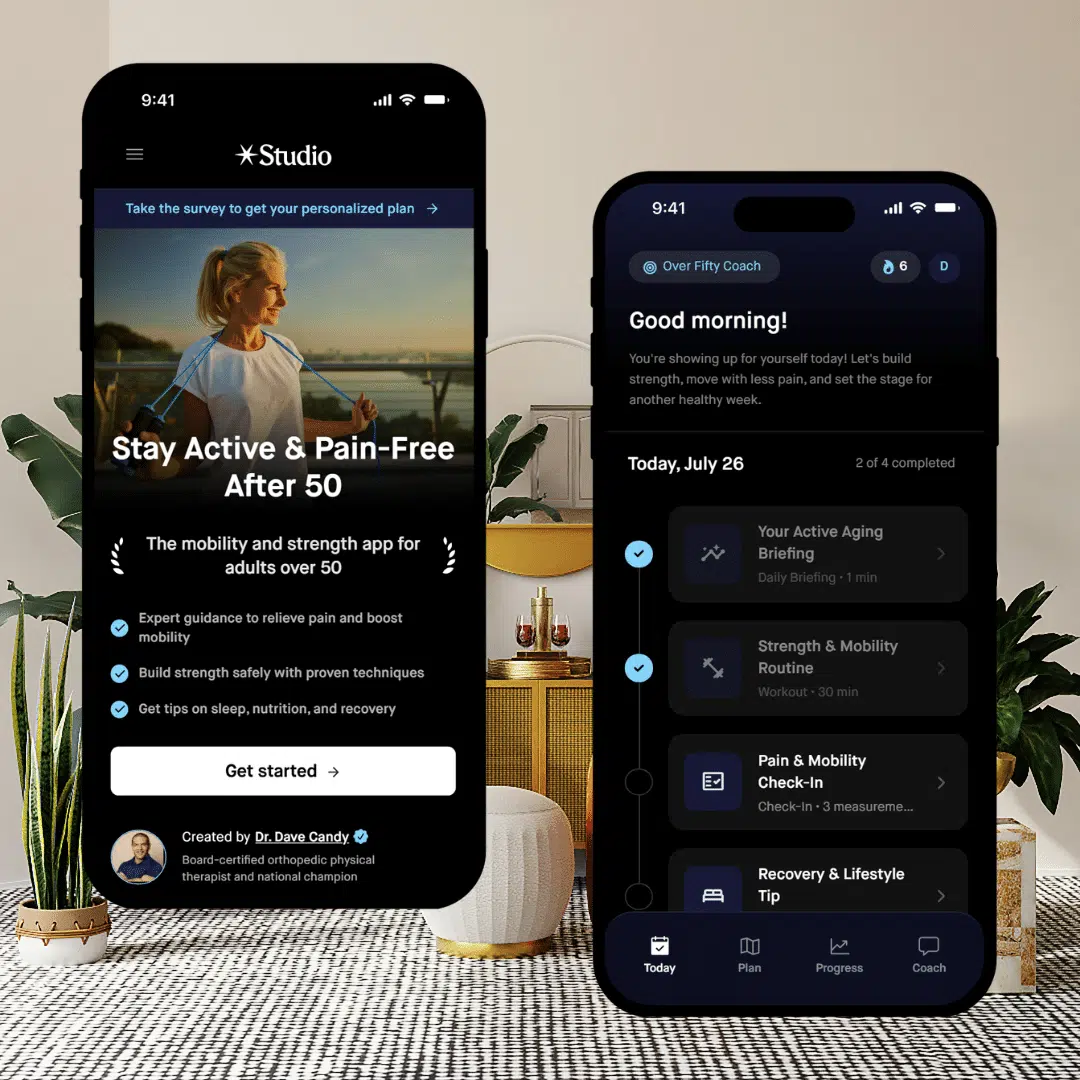
Need Help To Stay Strong and Mobile After 50?
Affiliate Disclosure: This post contains affiliate links to Amazon and/or other sites. While I only recommend products that I trust, as an Amazon Associate, I earn commission from qualifying purchases at no extra cost to you.
Medical Disclaimer: The content on this site is for educational and informational purposes only and is not intended as medical advice. Always consult with a qualified healthcare professional before beginning any new exercise program, diet, or supplement regimen, especially if you have pre-existing health conditions.