
Understanding Your MRI Report
Receiving an MRI report can be overwhelming, especially if you’re unfamiliar with the terminology and implications of the findings. This article aims to demystify your MRI report, helping you understand the common findings and their significance, especially as they relate to back pain.
Common MRI Findings
The lumbar spine, or lower back, consists of five vertebrae labeled L1 through L5. Between them are discs and joints, which are crucial for mobility and support. Understanding how these components function can help you interpret your MRI findings better.
Degenerative Changes
Degenerative changes in the spine are common, primarily in individuals over 40, but can start much earlier. Degenerative joint disease occurs when the facet joints wear down, potentially causing pain. This wear and tear can often be managed through proper positioning and physical therapy.
Another common finding is degenerative disc disease, where the height of the intervertebral discs decreases, leading to joint compression and potentially nerve root irritation. This can manifest as pain, numbness, or tingling in the legs, known as spinal stenosis.
Understanding Spondylosis
Spondylosis is often used interchangeably with degenerative joint disease. It refers to arthritis of the spine, highlighting the importance of understanding your MRI report. Many people without pain exhibit these changes, so finding spondylosis on an MRI shouldn’t automatically cause alarm.
Structural Issues: Spondylolisthesis
Spondylolisthesis is the term for a forward slipping of one vertebra over another. This condition can be graded from one to four, with grades one and two being relatively common and often asymptomatic. If you receive a diagnosis of spondylolisthesis, it’s crucial to assess your symptoms and consult a healthcare professional.
Recognizing Symptoms
While spondylolisthesis may sound concerning, it’s essential to determine if you are experiencing symptoms such as leg pain or weakness. If these symptoms are absent, there may be no need for immediate concern.
Spinal Stenosis: What to Know
Spinal stenosis refers to the narrowing of spaces within the spine, which can compress nerves and lead to pain. Many individuals may have stenosis without experiencing significant issues. It is critical to monitor your symptoms, as severe cases may require further evaluation.
Next Steps for Management
In many instances, conservative treatment options, including physical therapy, can help manage symptoms associated with degenerative changes or stenosis. A physical therapist can provide tailored exercises that increase strength and flexibility, addressing your specific needs.
Disc Dysfunction: Bulging and Herniation
Another concern often associated with MRI findings is disc dysfunction. Conditions like bulging or herniated discs can sound intimidating, but they are common and often do not result in severe pain. Understanding the grading of these conditions can help alleviate anxiety surrounding your MRI report.
Common Misconceptions
A bulging disc may not require surgical intervention and can often be managed with conservative treatment. Most importantly, many individuals with these findings report no pain, highlighting the variability of MRI interpretations.
Conclusion: Take Charge of Your Health
Understanding your MRI report doesn’t have to be daunting. While terms like degenerative changes and spondylolisthesis may sound alarming, the reality is that many people live healthy lives with these findings. If you have questions or concerns about your MRI report, consult with a physical therapist or healthcare provider who can guide you through your options.
Ultimately, the key takeaway is that many MRI findings are common and can often be managed without surgery. You can achieve a better quality of life through proper treatment and understanding.
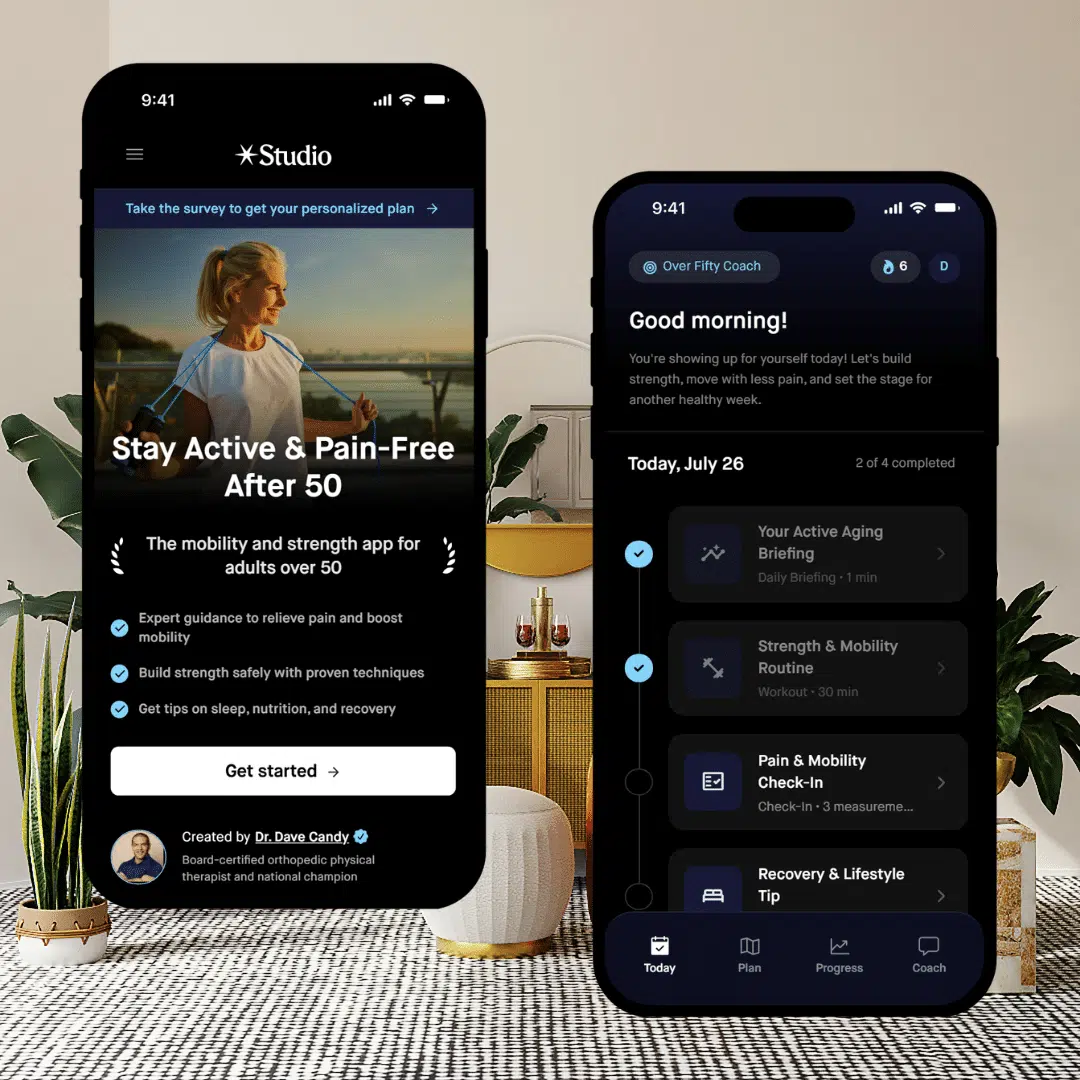
Need Help To Stay Strong and Mobile After 50?
Affiliate Disclosure: This post contains affiliate links to Amazon and/or other sites. While I only recommend products that I trust, as an Amazon Associate, I earn commission from qualifying purchases at no extra cost to you.
Medical Disclaimer: The content on this site is for educational and informational purposes only and is not intended as medical advice. Always consult with a qualified healthcare professional before beginning any new exercise program, diet, or supplement regimen, especially if you have pre-existing health conditions.