
Introduction
Maintaining the ability to walk is a significant concern among seniors. Many individuals in their 50s, 60s, 70s, and 80s express frustration about not being able to walk as far or as fast as they once could. This limitation can lead to feelings of isolation, as they may feel like they are holding family and friends back. In this article, we will explore two effective ways to help seniors walk farther and faster without causing pain.
The Two Key Ways to Walk Faster
To walk faster, seniors have two primary options: increase step frequency or extend step length. These two components—step length and cadence—combine to determine walking speed. By focusing on one or both of these methods, seniors can improve their walking capabilities.
1. Increasing Step Frequency
One effective way to walk faster is to increase the frequency of steps taken. Shorter, quicker steps can help maintain speed without the risk of pain associated with longer strides. By focusing on this approach, seniors can minimize the impact on their joints while still achieving greater distances.
2. Improving Step Length
Longer strides can also help with walking speed but may lead to discomfort if flexibility is lacking in the calves or hip flexors. To safely increase stride length, seniors should focus on enhancing flexibility in these areas. Additionally, strengthening gluteal muscles can improve balance, allowing for longer strides without pain.
Addressing Flexibility and Strength
To help seniors both walk faster and farther, it’s essential to address flexibility and strength. Poor flexibility can lead to improper walking mechanics, resulting in discomfort or pain. Here are some strategies to improve flexibility:
- Stretching Exercises: Regular stretching of the hip flexors and calves can enhance flexibility, leading to improved stride length.
- Balance Training: Practicing balance exercises can help seniors feel more stable while walking, allowing for more extended strides.
Short-Term vs. Long-Term Strategies
In the short term, seniors should focus on increasing step frequency. This approach tends to yield immediate results. In contrast, the long-term strategy should involve improving flexibility and strength to enable longer strides comfortably. By combining these strategies, seniors can achieve a sustainable walking regimen that enhances both speed and distance.
Foot Strike Patterns
Another important aspect of walking mechanics is the foot strike pattern. Many seniors naturally heel strike when walking. However, transitioning to a midfoot strike can reduce ground reaction forces, making walking more comfortable. Observing children or individuals who walk barefoot can provide insight into more natural foot strike patterns that distribute impact forces more evenly.
Conclusion: Next Steps for Seniors
Walking is a vital activity that promotes physical health and social engagement among seniors. By focusing on increasing step frequency and improving flexibility and strength, seniors can enhance their ability to walk farther and faster without pain. Incorporating regular balance exercises and stretching routines can further support these goals. Remember, it’s essential to listen to your body and consult with a healthcare professional if pain persists.
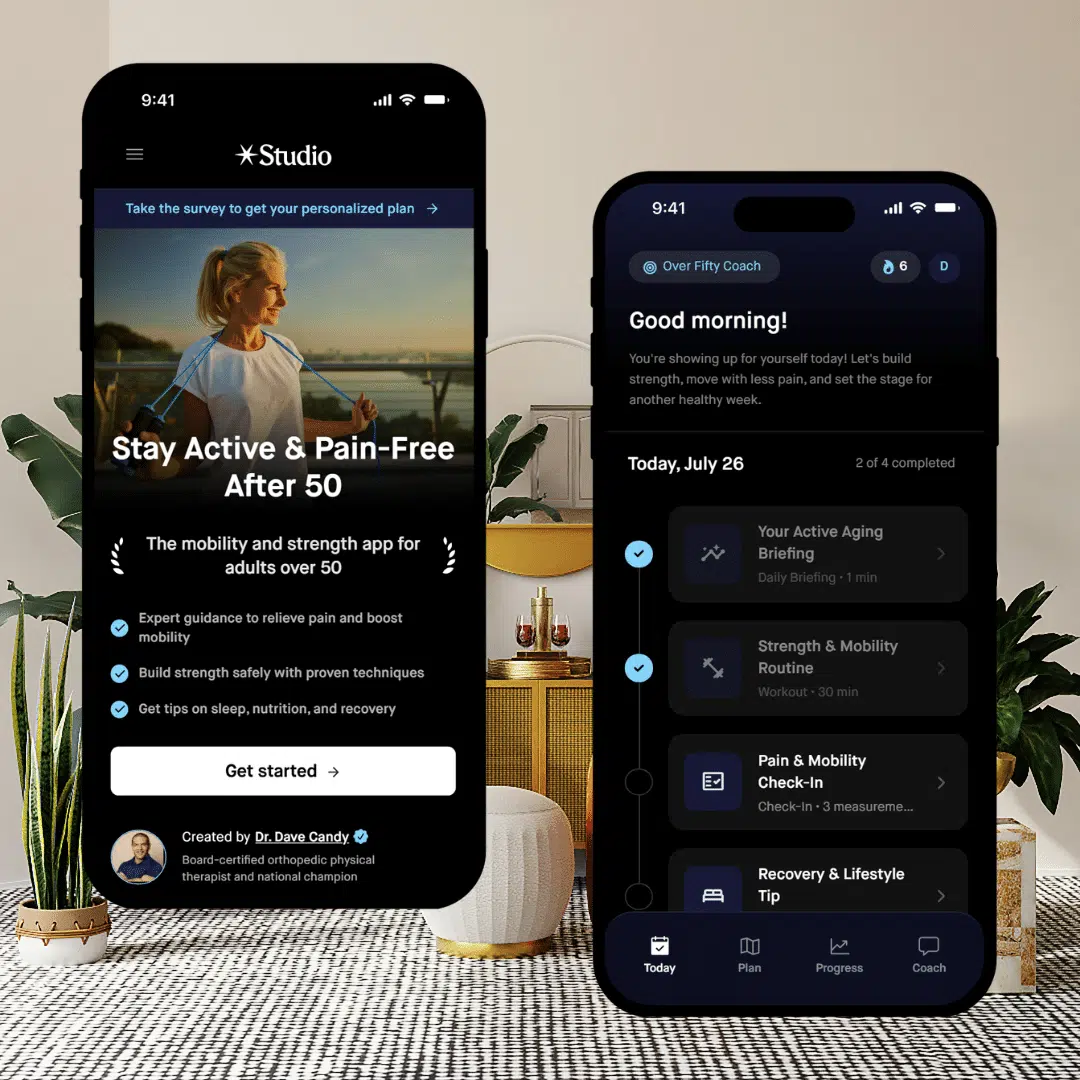
Need Help To Stay Strong and Mobile After 50?
Affiliate Disclosure: This post contains affiliate links to Amazon and/or other sites. While I only recommend products that I trust, as an Amazon Associate, I earn commission from qualifying purchases at no extra cost to you.
Medical Disclaimer: The content on this site is for educational and informational purposes only and is not intended as medical advice. Always consult with a qualified healthcare professional before beginning any new exercise program, diet, or supplement regimen, especially if you have pre-existing health conditions.