
Understanding Back Pain from Lifting
If your back hurts when lifting, you might have heard the adage, “lift with your legs, not your back.” However, recent research suggests that this advice may not be as straightforward as it seems. In this post, we’ll explore the science behind lifting techniques and how to lift safely to prevent back pain.
Research Insights on Lifting Techniques
A 2021 study in Frontiers in Bioengineering and Biomechanics examined various lifting techniques and their effects on back strain. Interestingly, they discovered that a stoop lift, where you bend your back, may actually produce less compressive force on the lower back compared to the traditional squat lift that emphasizes lifting with your legs.
The Mechanics of Lifting
In the study, participants performed two types of lifts: the stoop lift and the squat lift. The stoop lift required individuals to keep their legs straight and bend predominantly at the back. Conversely, the squat lift involved maintaining a straight back while lifting with the legs. Surprisingly, the results indicated that while squat lifting increased compressive forces along the spine, the stoop lift resulted in less strain overall.
Understanding the Risks
One significant finding was related to the shear forces acting on the L5-S1 vertebra, which is commonly associated with back pain. The squat lift produced higher shear forces at this critical junction, potentially increasing the risk of injury. Therefore, it’s essential to find a balance between lifting techniques to minimize the risk of back pain.
Finding the Right Technique
According to older research by Kingma et al., several factors consistently affect back strain when lifting:
- Weight of the Object: The heavier the object, the greater the force on your back, regardless of lifting technique.
- Height of the Object: Objects lifted from lower positions generate more compressive force on the spine.
- Distance from the Body: Lifting objects farther from your body creates more torque, increasing strain on your back.
To lift correctly, aim for a neutral spine position that avoids extreme rounding or hyperextension of the back. This balanced approach allows for effective lifting while minimizing stress on your spine.
Practical Tips for Safe Lifting
Here are some actionable tips to help you lift safely and reduce the risk of back pain:
1. Maintain a Neutral Spine
When lifting, keep your spine in a neutral position. This means avoiding excessive arching or rounding of your back. Think of a triangle: your shoulders, hips, and the weight should align to create a stable lifting posture.
2. Engage Core Muscles
Before lifting, engage your abdominal and back muscles to create a brace around your spine. This helps distribute the lifting force evenly, reducing the risk of injury.
3. Use Your Hips
As you lift, push through your heels and squeeze your glutes to drive your hips forward. This technique shifts the load from your back to your larger lower body muscles, further protecting your spine.
4. Keep the Load Close
Whenever possible, lift objects that are close to your body. This minimizes torque on your spine, making it easier to lift safely.
5. Lift with Your Legs
While the research challenges the traditional view of always lifting with your legs, it’s still important to use your legs to assist in lifting. Use a combination of leg strength and core stability to perform lifts efficiently.
When to Seek Help
If you’re experiencing persistent back pain, it may be time to consult a physical therapist. Professional guidance can help you refine your lifting technique and address any underlying issues contributing to your discomfort.
Conclusion
In summary, understanding the mechanics of lifting can significantly impact your back health. By following the tips outlined above, you can reduce your risk of back pain while lifting. Remember, the goal is to find a technique that balances safety and efficiency. If you need personalized assistance, don’t hesitate to seek help from a physical therapist.
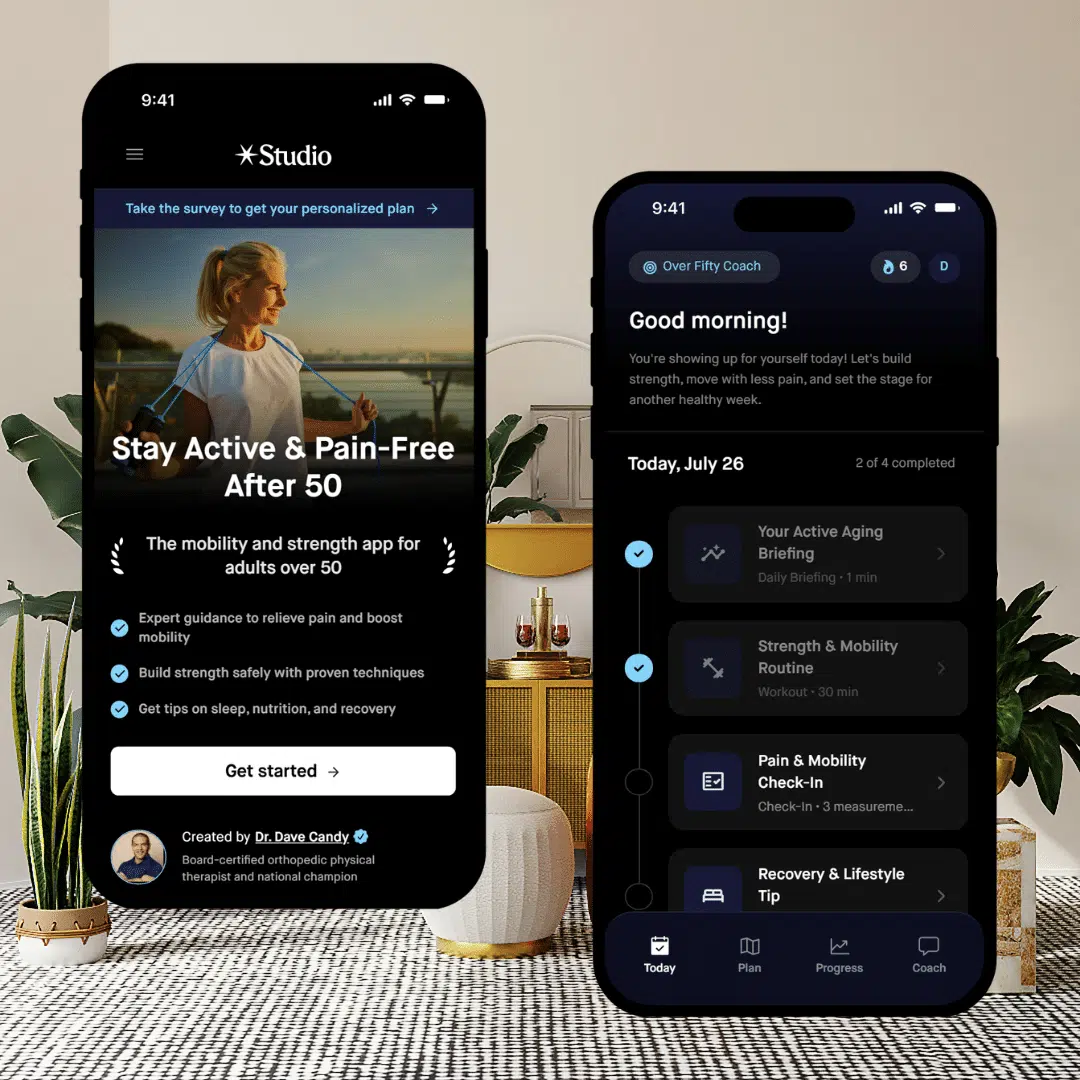
Need Help To Stay Strong and Mobile After 50?
Affiliate Disclosure: This post contains affiliate links to Amazon and/or other sites. While I only recommend products that I trust, as an Amazon Associate, I earn commission from qualifying purchases at no extra cost to you.
Medical Disclaimer: The content on this site is for educational and informational purposes only and is not intended as medical advice. Always consult with a qualified healthcare professional before beginning any new exercise program, diet, or supplement regimen, especially if you have pre-existing health conditions.