
Understanding Knee Arthritis and Exercise
Knee arthritis can make common exercises like squats and lunges feel impossible. However, you don’t have to abandon your fitness goals. A rowing machine can serve as an excellent alternative for those suffering from knee pain, allowing you to strengthen your legs and engage in cardiovascular exercise.
Why Rowing Machines Are Beneficial for Knee Arthritis
Using a rowing machine promotes improved circulation, which enhances blood flow and delivers essential nutrients and oxygen to your cartilage. This process supports healing and can even strengthen your cartilage over time.
Additionally, the rowing motion mimics the actions of squats and deadlifts without the full weight compressing your knees. By adjusting the resistance on the machine, you can also target your quadriceps and glutes, providing a comprehensive workout that strengthens your legs and upper body.
Choosing the Right Rowing Machine
When selecting a rowing machine, consider the Marray Q1s. This compact machine is budget-friendly, costing under $250, and can be easily stored in your home. Its design makes it accessible for those who may struggle with traditional exercise equipment.
How to Safely Use a Rowing Machine
Getting on and off the rowing machine can be challenging if you have knee issues. To mount the machine, pull the seat back to its highest position. Straddle the bars with your legs, support your weight with your hands, and lower your hips down gradually. To get off, use a similar technique: lean forward, push through your arms, and stand up slowly.
Mastering the Rowing Technique
Once seated, place your feet on the foot plates and adjust the strap tension. Start with light resistance to focus on your leg movement. Push through your feet while keeping your arms straight to begin the rowing stroke. Remember, the movement should initiate from your legs, then engage your trunk, and finally finish with your arms.
Creating a Structured Workout Routine
If you’re new to rowing, start with 10 minutes of exercise, gradually increasing to 15-20 minutes as your strength and endurance improve. You can work towards longer sessions of 30 minutes or more. Aim for daily cardiovascular exercise, integrating rowing into your routine if walking is difficult.
Monitoring Your Progress
Pay close attention to how your body responds to each session. If you experience pain or flare-ups, consider adjusting the duration or resistance. Consistency is key; the more regularly you row, the greater the benefits for your knees.
Conclusion: Next Steps for Your Health
Incorporating rowing into your fitness routine may offer a welcome reprieve from knee pain. As you become comfortable with the machine, explore different resistance levels and workout durations. With patience and consistency, you can strengthen your knees and improve your overall health.
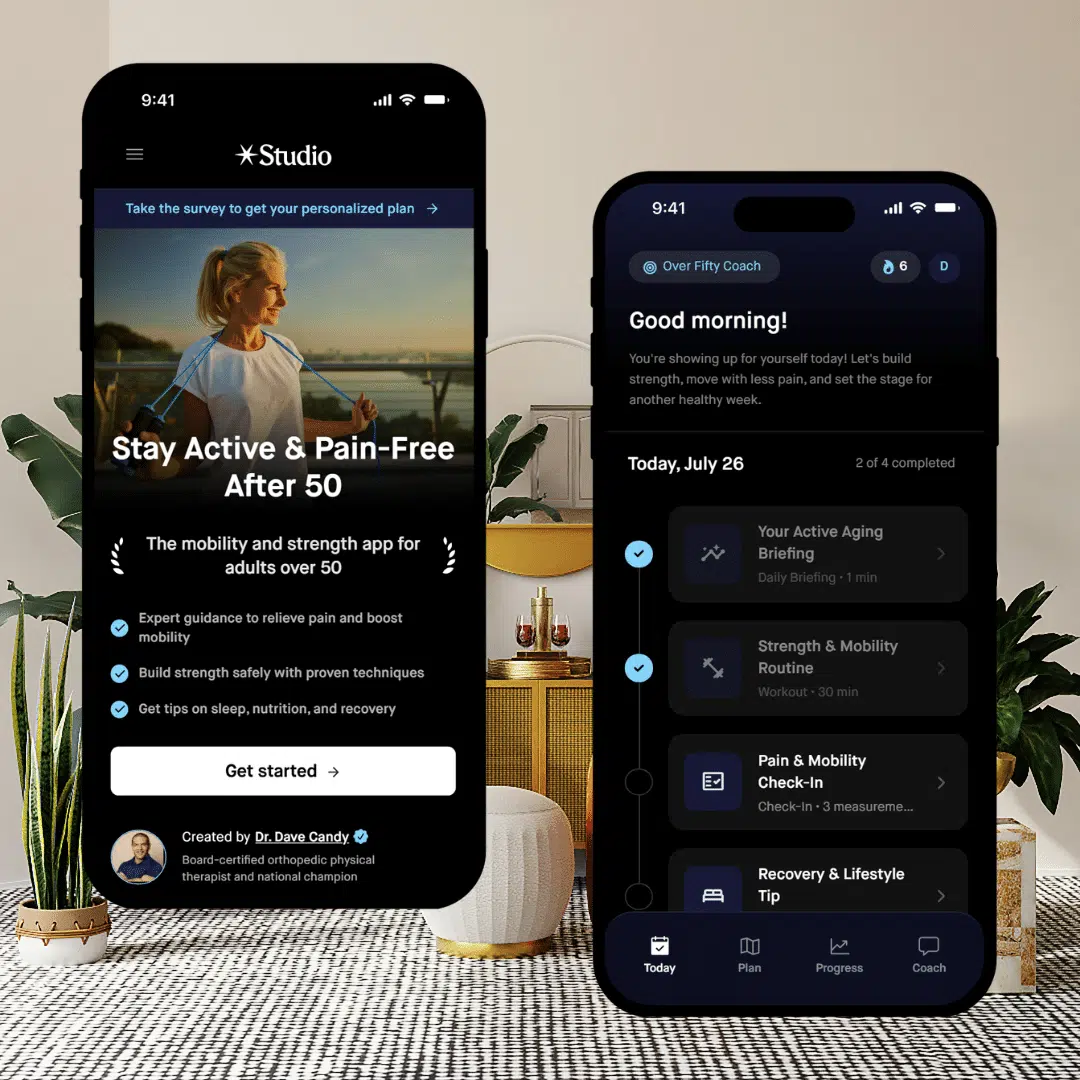
Need Help To Stay Strong and Mobile After 50?
Affiliate Disclosure: This post contains affiliate links to Amazon and/or other sites. While I only recommend products that I trust, as an Amazon Associate, I earn commission from qualifying purchases at no extra cost to you.
Medical Disclaimer: The content on this site is for educational and informational purposes only and is not intended as medical advice. Always consult with a qualified healthcare professional before beginning any new exercise program, diet, or supplement regimen, especially if you have pre-existing health conditions.