
Empowering Seniors Through Squats
Squats are the best strengthening exercise for seniors, essential for everyday movements like getting out of a chair or picking something up. However, many seniors experience discomfort or pain due to knee or back issues, leading to misconceptions about squatting. In this guide, we’ll explore how to perform various squat exercises safely and effectively, ensuring you can strengthen your legs without pain.
Understanding the Importance of Squats
Squats are a functional movement that engages multiple muscle groups, including the quadriceps, glutes, and hamstrings. Although some healthcare professionals may advise against squatting, especially for those with arthritis or previous injuries, there are modified versions that make squatting accessible.
Finding Your Optimal Squat Stance
Before diving into the squat variations, it’s crucial to find your natural stance. Not everyone squats with their toes pointing straight ahead. Some may naturally stand with their feet turned out. To determine your optimal position, stand and try pointing your toes outward and inward. This will help you identify your comfortable squat alignment, reducing the risk of pain.
Starting with Mini Squats
The first exercise is the standing mini knee bend, a gentle introduction to squats. Begin by standing with your feet in your natural position. Instead of focusing on bending your knees, think about pushing your hips back. This motion will shift your weight onto your heels, allowing for a safe mini squat.
Executing the Mini Squat
1. Stand with feet shoulder-width apart in your natural stance.
2. Push your hips back and slightly bend your knees.
3. Go as low as you feel comfortable, ideally keeping your back straight.
As you practice, pay attention to where your weight is distributed. Remember, the goal is to engage your glutes and thigh muscles without straining your knees or back.
Functional Squatting: Getting Up from a Chair
Once you feel comfortable with mini squats, you can practice transitioning to a functional movement like getting up from a chair. This is a practical application of the squat that many seniors encounter daily.
Steps to Safely Stand Up from a Chair
1. Sit towards the edge of the chair with your feet flat on the ground.
2. Lean slightly forward, keeping your chest up and your back straight.
3. Push your hips back while standing, ensuring your knees don’t cave inward.
By maintaining proper alignment, you can stand up safely while strengthening your legs.
Progressing to Traditional Squats
If you’re an active senior without any mobility issues, you can advance to more traditional squats. These exercises can be performed with or without weights, depending on your comfort level.
Proper Technique for Traditional Squats
1. Start in your natural stance, just like before.
2. Push your hips back and keep your knees aligned with your toes.
3. Lower your body to a depth that feels safe, ensuring you can rise back up.
If you wish to increase resistance, consider holding light dumbbells at your sides or in front of your chest. Avoid placing heavy weights on your back, especially if you have any spinal concerns.
Key Tips for Safe Squatting
Here are some essential tips to keep in mind while performing squats:
- Always listen to your body. If a certain position causes pain, adjust your stance or depth.
- Keep your knees aligned with your toes to prevent injury.
- Focus on engaging your core to maintain balance and stability.
Conclusion: Next Steps for Seniors
Incorporating squats into your routine can greatly enhance your leg strength and overall mobility. Start with mini squats and functional movements, then gradually progress to traditional squats as you build confidence. Always prioritize safety and comfort, and consult with a healthcare professional if you have concerns about your ability to squat.
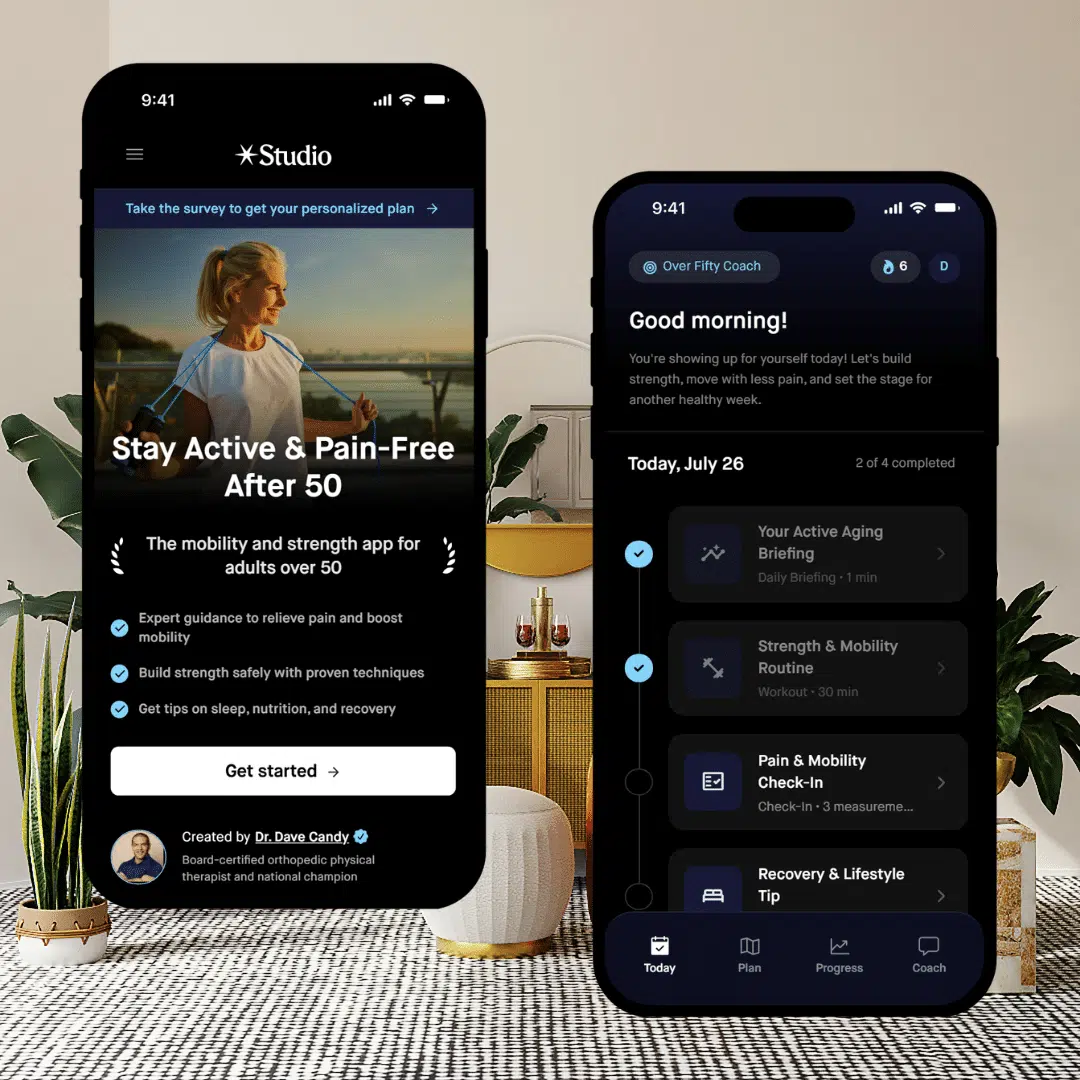
Need Help To Stay Strong and Mobile After 50?
Affiliate Disclosure: This post contains affiliate links to Amazon and/or other sites. While I only recommend products that I trust, as an Amazon Associate, I earn commission from qualifying purchases at no extra cost to you.
Medical Disclaimer: The content on this site is for educational and informational purposes only and is not intended as medical advice. Always consult with a qualified healthcare professional before beginning any new exercise program, diet, or supplement regimen, especially if you have pre-existing health conditions.