
Introduction
If you’re struggling with lower back pain, effective home exercises can provide significant relief. In this post, we’re going to explore four common lower back pain exercises, how to perform them correctly, and ways to enhance their effectiveness. Many people do these exercises incorrectly or inconsistently, limiting their benefits. Let’s uncover the right techniques to ensure these exercises actually help your lower back pain.
Understanding Common Mistakes
Before we dive into the exercises, it’s essential to understand why lower back pain exercises often fail to provide relief. The three primary reasons include:
- Infrequency of exercise: Many people do not perform their exercises often enough.
- Improper technique: Incorrect execution can lead to further problems.
- Lack of persistence: People often stop before they can see results.
By focusing on the correct techniques, you can improve your outcomes significantly.
The Four Key Exercises
1. The Clamshell
The clamshell exercise is designed to stabilize the spine while you move your legs. A common mistake is allowing too much rotation in the lower back. To perform the clamshell correctly:
- Lie on your side with your belly button slightly pointing toward the ground.
- Engage your glutes by pulling your belly button in and stabilizing your core.
- Lift your knee while keeping your pelvis stable, ensuring minimal movement in your trunk.
It’s a small movement, but focusing on proper form is crucial for effectiveness.
2. The Bridge
The bridge exercise promotes core stabilization through hip extension. Many individuals arch their lower backs too much, which can cause pain. To perform the bridge correctly:
- Start with a pelvic tilt to flatten your lower back against the ground.
- Keep this flat position as you push your heels into the ground and lift your pelvis.
- Maintain the pelvic tilt throughout the movement.
Proper execution of the bridge can help alleviate lower back pain.
3. The Bird Dog
The bird dog exercise helps control both extension and rotation of your spine. Common mistakes include excessive extension or twisting. To do the bird dog correctly:
- Begin on all fours and stabilize your trunk.
- Slide one leg out behind you while maintaining a neutral spine.
- Once stable, extend the opposite arm forward, ensuring no rotation in your lower back.
Focus on maintaining control and stability rather than the number of repetitions.
4. The Plank
The plank is beneficial for core stability but is often performed incorrectly. Many allow their lower backs to sag, which can lead to discomfort. To perform the plank effectively:
- Get into a forearm plank position and aim for a straight line from your shoulders to your ankles.
- Contract your abdominal muscles and glutes to maintain a neutral position.
- Hold this position while keeping your body straight and avoiding sagging.
Remember, it’s better to hold a less-than-perfect plank with proper form than to achieve a straight line with poor technique.
Upgrading Your Exercises
To enhance the effectiveness of these exercises, consider transitioning to standing variations. This can encourage more frequent practice throughout your day:
- Standing Bridge and Plank: Tighten your abdominal muscles and glutes while standing to maintain spinal alignment.
- Standing Clamshell and Bird Dog: Take a step forward, tighten your core, and activate your glutes as if performing a clamshell. Then, lift the opposite leg in a balancing act.
These upgrades allow you to incorporate lower back pain exercises into your daily routine without needing to get on the floor.
Conclusion
Understanding how to properly execute lower back pain exercises at home can lead to significant relief. Consistent practice with correct form is key to retraining your body and alleviating discomfort. Remember to stay committed to these exercises for the best results, and consider integrating standing variations into your routine for convenience. If you need more personalized assistance, consult a professional physical therapist.
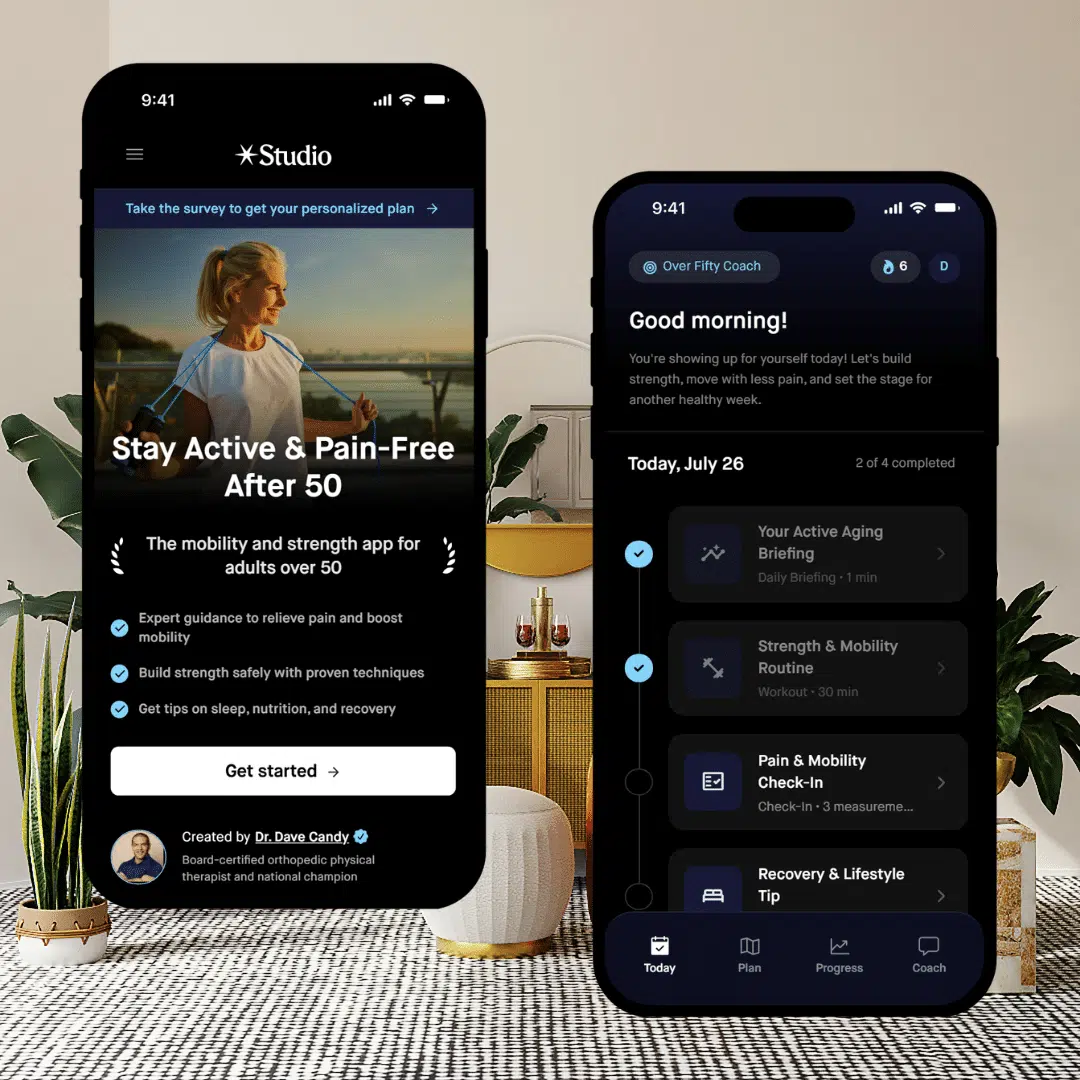
Need Help To Stay Strong and Mobile After 50?
Affiliate Disclosure: This post contains affiliate links to Amazon and/or other sites. While I only recommend products that I trust, as an Amazon Associate, I earn commission from qualifying purchases at no extra cost to you.
Medical Disclaimer: The content on this site is for educational and informational purposes only and is not intended as medical advice. Always consult with a qualified healthcare professional before beginning any new exercise program, diet, or supplement regimen, especially if you have pre-existing health conditions.