
Understanding the Deadlift
The deadlift is often viewed as a controversial exercise, especially for seniors. Many associate it with heavy lifting and potential injury. However, recent research suggests that avoiding deadlifts may pose greater risks to longevity than participating in them safely. In this post, we will explore how seniors can perform deadlifts safely and the benefits they can provide.
Why Deadlifts Matter for Seniors
Deadlifting, in essence, is simply lifting something off the ground—a movement we all engage in daily. The critical consideration isn’t whether seniors should do deadlifts, but rather how they can do them safely. For instance, if a senior struggles to lift 40 lbs, they may also find it challenging to lift everyday items like a bag of dog food.
Building Strength and Resilience
Being able to deadlift your own body weight can enhance resilience, helping you assist a loved one who may have fallen. Research supports this notion; a 12-week study demonstrated that older adults engaging in powerlifting, which includes deadlifts, improved their strength and functional abilities without experiencing injuries.
Deadlifts and Back Pain
Interestingly, deadlifts can also be beneficial for those suffering from back pain. While they are not the only solution, they do not exacerbate back issues. If you’re experiencing an acute flare-up of back pain, it’s advisable to wait until you’re in the subacute stage before incorporating deadlifts into your routine.
Osteopenia and Osteoporosis Considerations
Seniors with osteopenia or osteoporosis may hesitate to perform deadlifts due to safety concerns. However, the Lyftmore study of post-menopausal women showed that those who participated in a high-intensity training program, including deadlifts, saw improvements in bone density with minimal adverse reactions.
How to Perform a Deadlift Safely
To safely perform a deadlift, mastering the hip hinge movement is essential. This involves pushing your hips back and then forward, keeping your spine in a neutral position. Here’s a step-by-step guide:
1. Practice the Hip Hinge
Begin by practicing the hip hinge with your body weight. Stand with your feet shoulder-width apart and push your hips back while maintaining a neutral spine. Bend your knees slightly, and then drive your hips forward. Repeat this motion to build muscle memory.
2. Start with a Kettlebell
Once comfortable with the hip hinge, introduce a kettlebell. Position it between your feet, keeping it close to your body. Execute the hip hinge movement—hips back, then forward—while ensuring that your spine remains neutral. Squeeze your glutes and hamstrings as you return to the standing position.
3. Progress to Dumbbells
After mastering the kettlebell deadlift, transition to dumbbells. Hold them outside your body to maintain alignment with your center of gravity. Again, execute the hip hinge, going deeper if necessary, and always prioritize keeping your spine neutral.
4. Move to Barbell Deadlifts
Barbell deadlifts are more complex due to the weight being slightly in front of your center of gravity. Use a double overhand or mixed grip to maintain control of the barbell. Pull the barbell tight to your body throughout the movement, focusing on squeezing your shoulder blades together.
Conclusion: Embrace the Deadlift
Incorporating deadlifts into your fitness routine can be a game-changer for seniors, offering numerous benefits for strength and functionality. Remember, the key to performing deadlifts safely lies in mastering the hip hinge and gradually increasing weight. If you have any concerns or specific health conditions, consult with a healthcare professional before starting any new exercise regimen. Embrace the deadlift, and empower yourself to lift with confidence!
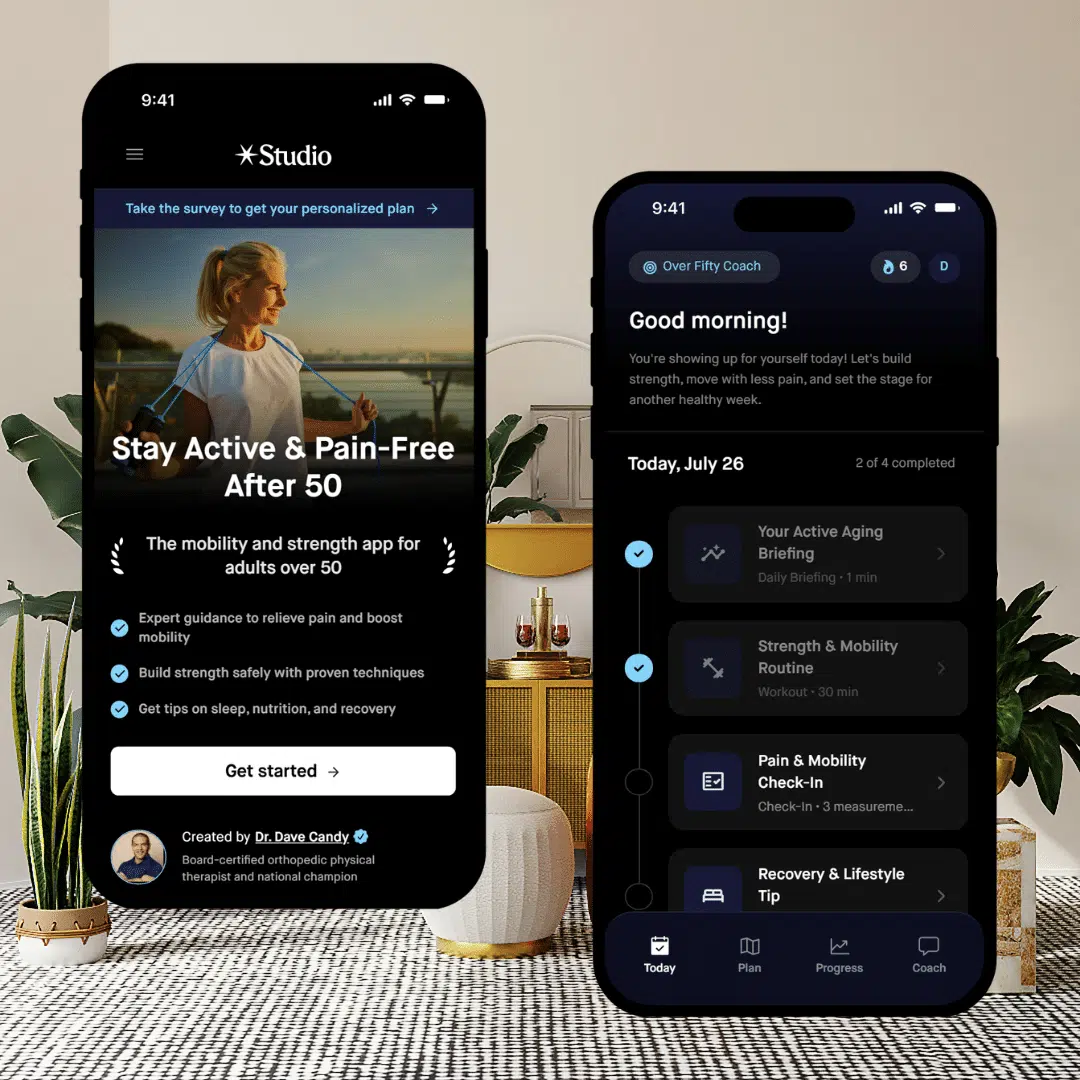
Need Help To Stay Strong and Mobile After 50?
Affiliate Disclosure: This post contains affiliate links to Amazon and/or other sites. While I only recommend products that I trust, as an Amazon Associate, I earn commission from qualifying purchases at no extra cost to you.
Medical Disclaimer: The content on this site is for educational and informational purposes only and is not intended as medical advice. Always consult with a qualified healthcare professional before beginning any new exercise program, diet, or supplement regimen, especially if you have pre-existing health conditions.