
Understanding Hip Pain Physiotherapy Exercises
Hip pain can significantly impact your daily life, making it essential to perform physiotherapy exercises correctly. As a physical therapist, I often see patients making common mistakes that hinder their recovery. In this post, we will explore these mistakes and provide actionable tips to ensure you get the most out of your hip pain physiotherapy exercises.
Common Mistakes in Hip Pain Exercises
Despite the benefits of exercises like the clam shell, many individuals fail to execute them correctly. One of the most frequent errors is improper stabilization of the lower back. When performing the clam shell exercise, many people inadvertently engage their lower back muscles instead of focusing on the hip muscles that need strengthening.
Improper Clam Shell Technique
The clam shell exercise is designed to engage your hip adductor muscles, including the gluteus medius. However, if you roll back while lifting your knee, you risk incorporating your back muscles into the movement. This not only diminishes the effectiveness of the exercise but may also exacerbate back pain.
To perform the clam shell correctly, make sure you roll slightly forward, stabilizing your lower back. Use your hands to ensure you are not rolling back. Focus on a small lift of your knee, holding for 5-10 seconds to feel the right muscles working.
Hip Abduction Errors
Another common mistake occurs during the hip abduction exercise or side-lying leg raise. This exercise requires you to lift the entire weight of your leg, which can be challenging. Individuals often allow their pelvis to hike or lean their trunk, causing unnecessary strain.
To perform this exercise properly, maintain a slight forward roll of your body and stabilize your pelvis. A smaller lift is often more effective, especially if you hold it for a few seconds to engage the gluteal muscles.
Bridge Exercise Mistakes
The bridge exercise is another staple in hip rehabilitation, aimed at strengthening the gluteus maximus. A common error is lifting the hips too high, which can lead to excessive arching of the back. This can worsen lower back pain.
Instead, begin with a pelvic tilt to flatten your lower back against the surface. Lift your hips slightly while maintaining the tilt. Hold for several seconds while feeling your glutes activate. This technique ensures you are effectively targeting the intended muscles.
Transitioning to Functional Exercises
While laying down exercises are beneficial, they do not mimic everyday activities where hip pain often manifests, such as standing, walking, or climbing stairs. Transitioning to functional exercises is crucial for comprehensive rehabilitation.
Standing Hip Abduction
For standing hip abduction, practice balancing on one leg before lifting the other leg out to the side. This exercise challenges your stability and engages the hip muscles more effectively than lying down. Avoid hiking your pelvis or counterbalancing with your trunk.
Hip Extension in a Standing Position
When performing hip extensions, be cautious not to overextend your back. Focus on slight backward kicks while maintaining a stable pelvis to engage your glutes properly. This exercise not only strengthens your hips but also enhances your balance.
Correcting Stretching Techniques
While most people perform stretches correctly, the hip flexor stretch often gets overlooked. To effectively stretch your hip flexors, kneel in a half-lunge position and push your pelvis forward. Avoid excessive back arching, which reduces the effectiveness of the stretch.
Instead, utilize a pelvic tilt to enhance your stretch. This method will help you target the right muscles and achieve better results.
Addressing Common Barriers to Recovery
Beyond technique, there are broader issues that can impede recovery from hip pain. Here are three common barriers:
- Inadequate Frequency: Consistency is key. Ensure you are performing your exercises frequently enough to retrain your brain and body.
- Lack of Specificity: Different types of hip pain require tailored exercises. Consult a physical therapist to create a personalized program addressing your specific needs.
- Integration into Daily Life: Remember that how you move during the other 23 hours of your day matters more than the hour spent exercising. Focus on integrating learned movements into daily activities.
Next Steps for Managing Hip Pain
To effectively address your hip pain and enhance your recovery, consider seeking guidance from a qualified physical therapist. They can provide you with a tailored program suited to your specific condition and help you integrate these exercises into daily life.
By avoiding common mistakes and embracing proper techniques, you can significantly improve your recovery journey and regain control over your mobility and quality of life.
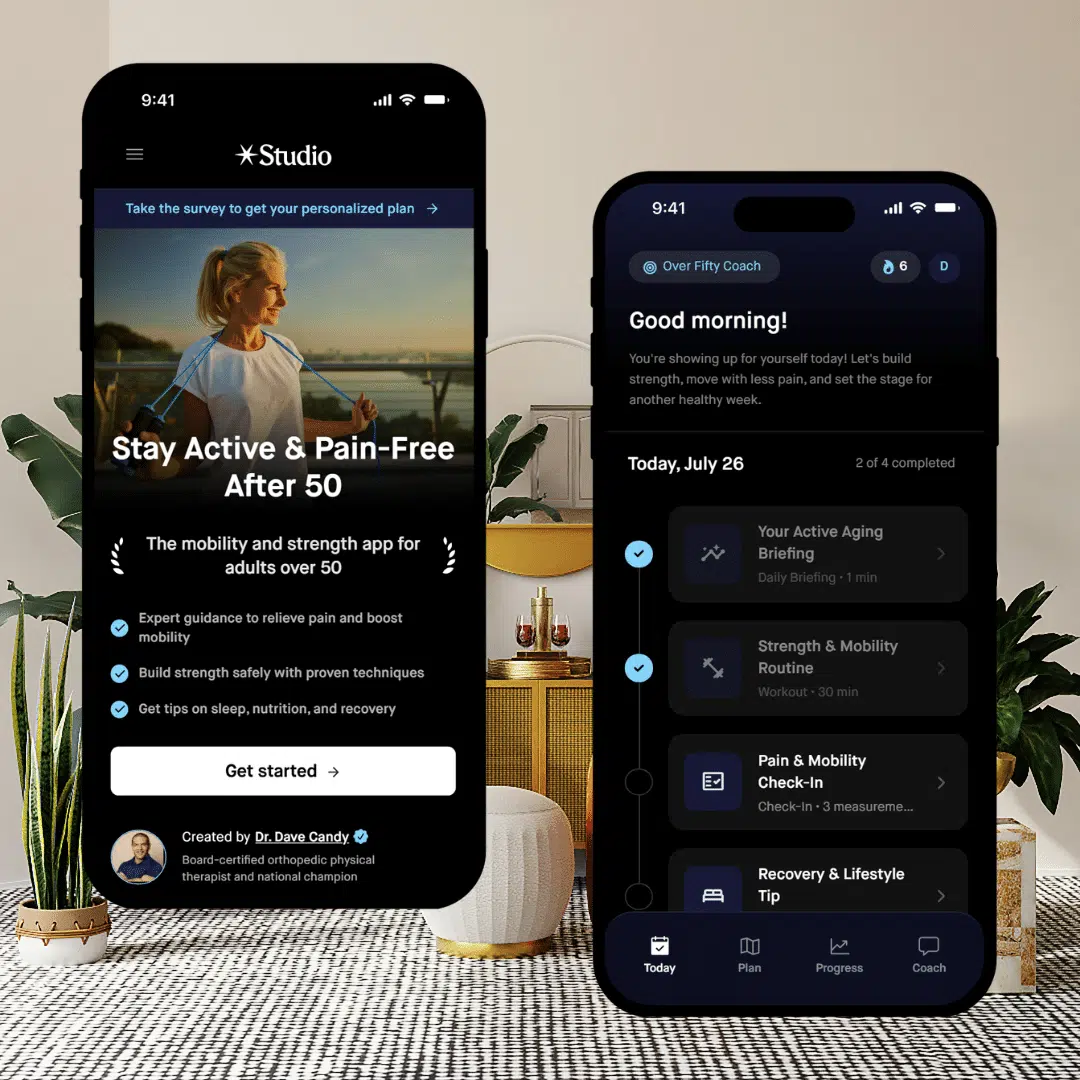
Need Help To Stay Strong and Mobile After 50?
Affiliate Disclosure: This post contains affiliate links to Amazon and/or other sites. While I only recommend products that I trust, as an Amazon Associate, I earn commission from qualifying purchases at no extra cost to you.
Medical Disclaimer: The content on this site is for educational and informational purposes only and is not intended as medical advice. Always consult with a qualified healthcare professional before beginning any new exercise program, diet, or supplement regimen, especially if you have pre-existing health conditions.