
Understanding Groin Pain
Groin pain can be a significant concern for both women and men, often leading to worries about serious conditions such as hernias or reproductive organ issues. However, the good news is that most causes of groin pain are musculoskeletal and not serious. In this article, we will explore the various causes of groin pain, identify effective stretches and exercises, and provide actionable advice for relief.
Common Causes of Groin Pain
Groin pain can manifest in different ways, including lower abdominal pain, pelvic pain, or pain in the genital area. For women, reproductive organ issues may lead to pain, but other musculoskeletal causes are often at play. Common reproductive causes include:
- Endometriosis
- Ovarian cysts
- Uterine fibroids
- Pelvic inflammatory disease
If lower abdominal pain fluctuates with your menstrual cycle, consulting a gynecologist is advisable.
Pelvic Floor Dysfunction
Another cause of groin pain in women is pelvic floor dysfunction. Symptoms may include urinary leakage when jumping, laughing, or running. Conversely, tight pelvic floor muscles can lead to difficulty urinating or pain during intercourse. It’s essential to identify the right exercises; kegels may not be suitable for everyone.
Groin Pain in Men
In men, common causes of groin pain include hernias, such as inguinal hernias, where abdominal organs protrude through the inguinal canal. Other concerns may involve testicular issues like epididymitis or testicular torsion. If you experience these symptoms, it’s wise to consult a healthcare professional.
Musculoskeletal Causes of Groin Pain
Many cases of groin pain stem from musculoskeletal issues, often related to activity. Common causes include:
- Hip arthritis
- Labral tears
- Athletic pubalgia (sports hernia)
- Groin strains
Understanding whether your pain is musculoskeletal or related to reproductive issues can help guide treatment. Musculoskeletal pain usually correlates with activity, while reproductive pain often has more consistent symptoms.
Identifying Musculoskeletal Pain
Typical symptoms of musculoskeletal groin pain include:
- Discomfort during weight-bearing activities
- Difficulty bending down
- Pain related to specific movements
For instance, hip arthritis pain often worsens with weight-bearing activities, while labral tears may cause discomfort in specific hip positions.
Relief Strategies: Stretches and Exercises
Incorporating stretches and exercises can significantly help alleviate groin pain. Here are some effective methods:
Stretching Exercises
Stretching tight groin muscles can be beneficial, especially if you experience stiffness. Here are a couple of effective stretches:
- Sideways Lunge: Step to the side and bend one knee while keeping the other leg straight. This stretch targets the inner thigh muscles.
- Butterfly Stretch: Sit on the floor, bringing the soles of your feet together and gently pushing your knees toward the ground.
These stretches can help relieve tension and improve flexibility.
Strengthening Exercises
Once you’ve addressed any stiffness or tightness, strengthening the surrounding muscles is crucial. Here are some recommended exercises:
- Single Leg Balance: Stand on one leg for balance and stability. This exercise strengthens hip abductors.
- Single Leg Squats: Perform squats on one leg to enhance strength and stability in the hip.
- Lunges: Ensure proper form and avoid heavy weights to prevent further injury.
These exercises can help build strength in the hip area, reducing the risk of future pain.
When to Seek Professional Help
If groin pain persists or worsens, it’s essential to consult a healthcare professional. They can help determine whether your pain is musculoskeletal or related to a more serious condition. Getting a proper diagnosis and treatment plan is crucial for effective relief.
Conclusion
Understanding the causes of groin pain and implementing appropriate stretches and exercises can lead to significant relief. Always listen to your body and consult a healthcare professional if you’re unsure about your symptoms. Taking proactive steps can lead to healthier, pain-free movement.
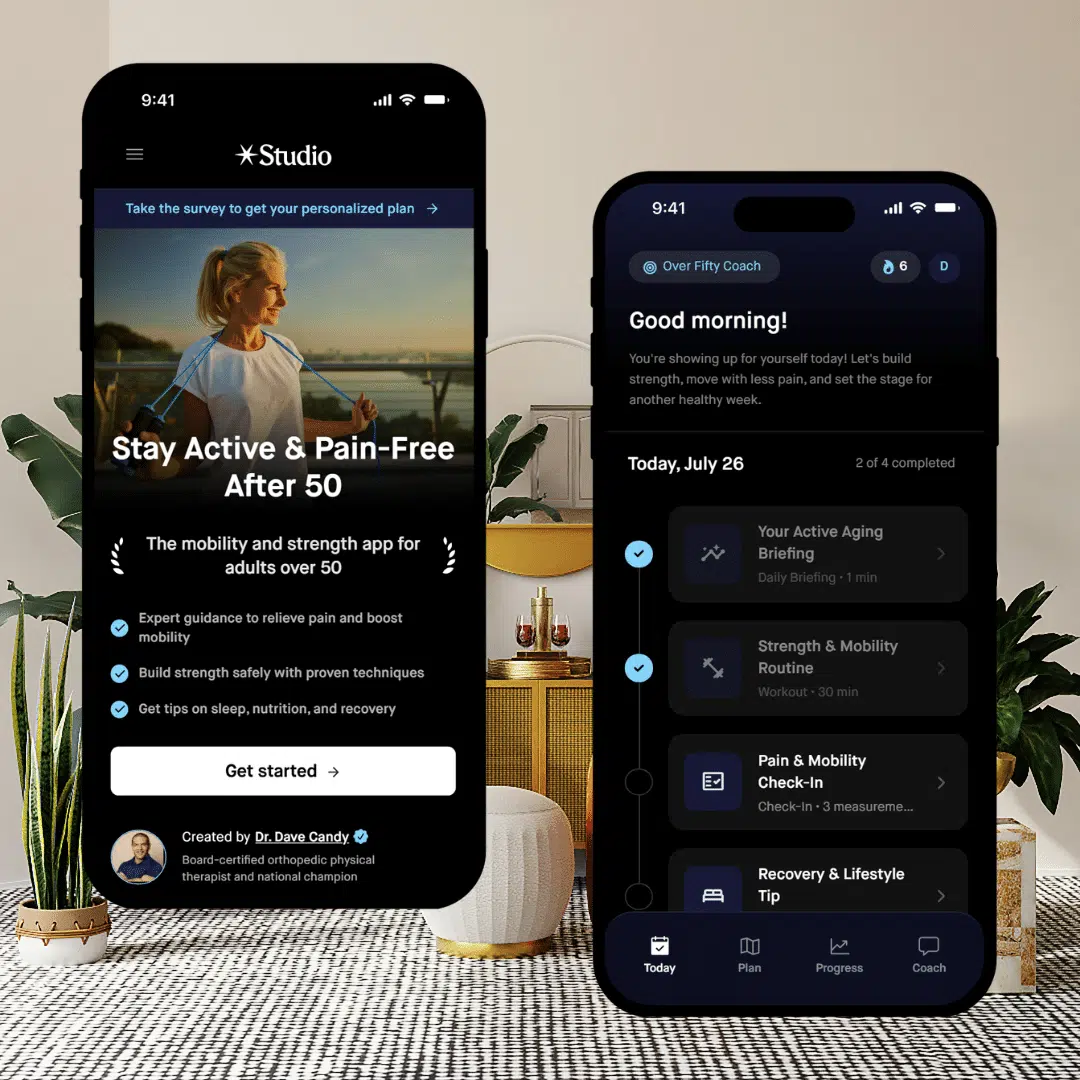
Need Help To Stay Strong and Mobile After 50?
Affiliate Disclosure: This post contains affiliate links to Amazon and/or other sites. While I only recommend products that I trust, as an Amazon Associate, I earn commission from qualifying purchases at no extra cost to you.
Medical Disclaimer: The content on this site is for educational and informational purposes only and is not intended as medical advice. Always consult with a qualified healthcare professional before beginning any new exercise program, diet, or supplement regimen, especially if you have pre-existing health conditions.