
Introduction
Radiating lower back pain to the hip can be a troubling experience that affects your daily activities. Understanding the underlying causes is crucial for effective treatment and relief. In this article, we will explore five common causes of lower back pain that radiates to the hip, alongside actionable tips to help you manage your discomfort.
Common Causes of Radiating Lower Back Pain to Hip
1. Facet Joint Dysfunction
The most prevalent cause of radiating lower back pain to the hip is facet joint dysfunction. These small joints, located on either side of your spine, can become jammed when you bend backward or sideways. Avoiding extreme backward bending, especially during activities like squats, can alleviate pressure on these joints. Consider consulting a physical therapist to assess your posture and guide you in maintaining a neutral spine.
2. Sacroiliac (SI) Joint Dysfunction
The SI joint connects the pelvis to the spine and can cause pain if it is either too stiff or hypermobile. Women who have recently given birth may experience SI joint dysfunction due to hormonal changes affecting ligament elasticity. Identifying whether your SI joint is hypermobile or hypomobile is essential. Treatment options include targeted exercises and manual therapy to enhance movement and stability.
3. Muscle Dysfunction
Your lower back muscles can also contribute to referred pain in the hip area. Muscles like the multifidus and quadratus lumborum can create discomfort due to tightness or trigger points. Stretching and strengthening exercises can help, but it’s advisable to work with a professional to identify the specific muscles involved and receive tailored treatment.
4. Pinched Nerve
A pinched nerve in the lower back, often due to a herniated disc or spinal stenosis, can radiate pain to the hip. While this pain usually extends down the leg, early symptoms may only affect the hip. If you suspect a pinched nerve, seek a professional evaluation. Treatment may include exercises that either promote forward bending or backward bending, depending on the nature of the pinched nerve.
5. Coexisting Hip Problems
It’s not uncommon to have both lower back and hip issues occurring simultaneously. Weakness in the hip can lead to altered walking patterns that subsequently affect the lower back. Addressing both areas through strengthening and rehabilitation exercises can lead to significant improvements. A comprehensive assessment by a physical therapist can help determine the interrelation between your hip and back pain.
Actionable Tips for Relief
While understanding the causes of radiating lower back pain to the hip is essential, knowing what to do next is equally important.
Start with Assessment
Identify which of the aforementioned issues is most likely causing your pain. A professional assessment can pinpoint the primary dysfunction and help you focus on the most effective treatment.
Modify Your Posture
Avoid postures that exacerbate your pain, particularly positions that place excessive arch in your lower back. Regularly check your posture while standing or sitting, and consider using a mirror for feedback.
Engage in Targeted Exercises
Once you know the cause, engage in exercises designed to strengthen the affected areas. For example, if you have SI joint issues, focus on pelvic stabilization exercises. For muscle dysfunction, consider stretching routines targeting tight areas.
Consult a Professional
Don’t hesitate to reach out to a physical therapist or healthcare provider for guidance. They can provide manual therapy, dry needling, or specific exercises tailored to your condition.
Conclusion
Radiating lower back pain to the hip can stem from various causes, each requiring different approaches for effective management. Understanding your pain and addressing the underlying issues is crucial for long-term relief. If you continue to experience discomfort, seek professional help to explore your treatment options further. Remember, you don’t have to manage this pain alone.
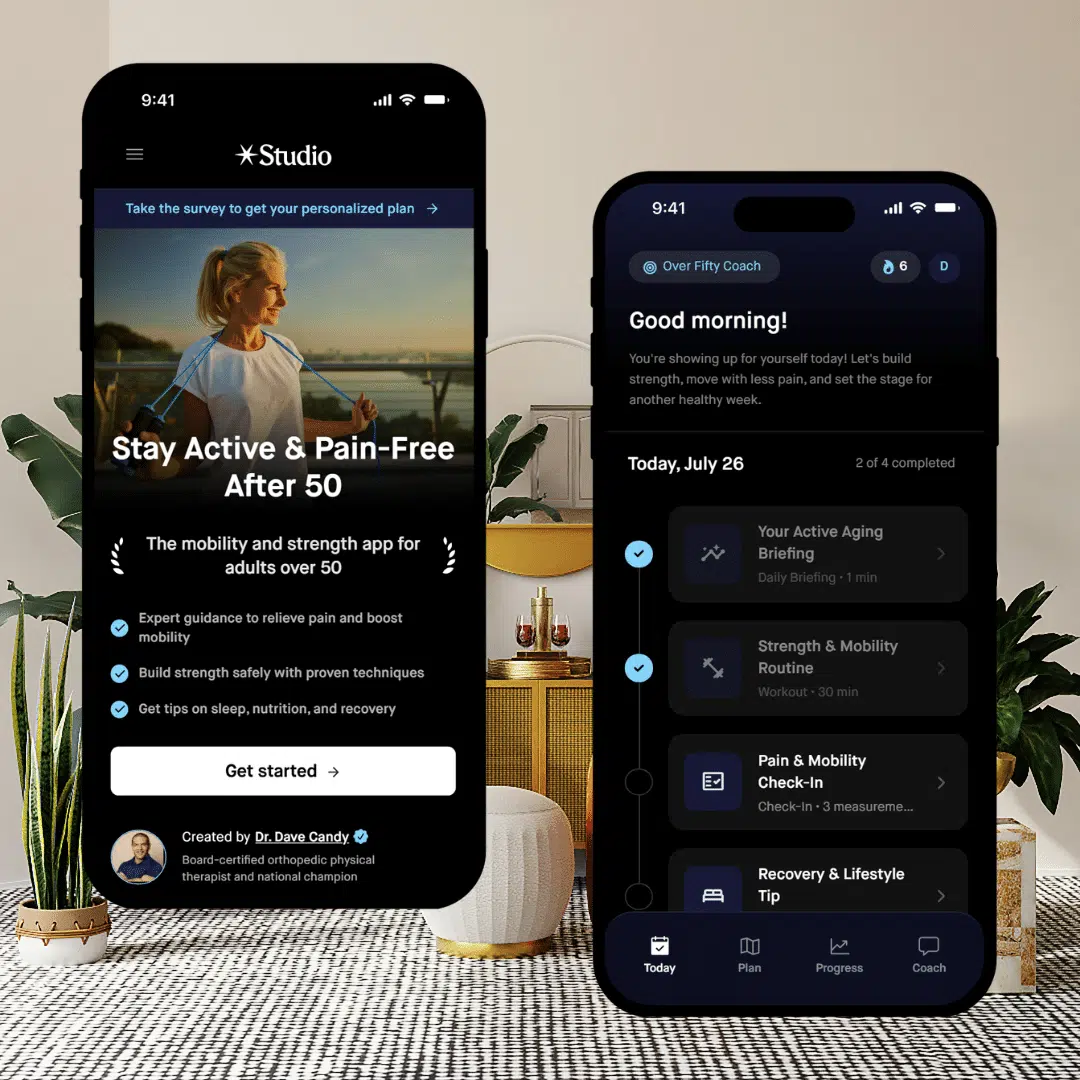
Need Help To Stay Strong and Mobile After 50?
Affiliate Disclosure: This post contains affiliate links to Amazon and/or other sites. While I only recommend products that I trust, as an Amazon Associate, I earn commission from qualifying purchases at no extra cost to you.
Medical Disclaimer: The content on this site is for educational and informational purposes only and is not intended as medical advice. Always consult with a qualified healthcare professional before beginning any new exercise program, diet, or supplement regimen, especially if you have pre-existing health conditions.