
Understanding Snapping Hip Syndrome
Snapping hip syndrome affects about 5 to 10% of the population, causing an audible popping or clicking sound in the hip during movement. It can be categorized into two types: external snapping hip syndrome, where the iliotibial (IT) band snaps over the hip, and internal snapping hip syndrome, which occurs more deeply in the groin. While often benign, this condition can be troubling for some. Fortunately, there are effective exercises to help alleviate these symptoms.
What Causes Snapping Hip Syndrome?
External snapping hip syndrome generally arises due to the IT band’s friction against the hip bone. In contrast, internal snapping hip syndrome may be linked to tight hip flexors or potential intra-articular issues like a labral tear. Understanding what type you have can inform your treatment approach.
5 Effective Exercises for Snapping Hip Syndrome
1. Improve Hip Rotation
The first exercise focuses on enhancing both external and internal hip rotation, which can reduce popping. To perform this, sit on a chair and place your feet flat on the ground. Rotate your hip externally by moving your foot inward, and then internally by moving your foot outward. Aim for 10-15 repetitions on each side to improve your hip’s range of motion.
2. Strengthen Your Abdominal Muscles
Stabilizing your core is crucial for managing snapping hip syndrome. Try the following:
- Lie on your back with your knees bent and feet flat on the ground.
- Engage your abdominal muscles to flatten your lower back against the floor.
- Slowly lower one leg to the ground, keeping your back flat.
- Return to the starting position and repeat for 10-15 reps.
This exercise helps maintain hip stability, potentially minimizing snapping.
3. Strengthening the Gluteus Medius
Strengthening your gluteus medius through clamshells can also help. Here’s how:
- Lie on your side with your knees bent at a 90-degree angle.
- Keep your feet together and lift your top knee while keeping your hips stable.
- Lower your knee back down and repeat for 10-15 reps.
Ensure your back doesn’t roll backward to target the correct muscles.
4. External Rotation Resistance Exercise
For this exercise, lie on your back with one leg bent at 90 degrees. Rotate the heel of the bent leg upward while keeping your knee in contact with the floor. Perform 10-15 repetitions, focusing on isolating the hip muscles.
5. Internal Rotation Strengthening
To strengthen your internal rotators, lie on your back with a pillow between your knees. As you lift your knees up toward the ceiling, ensure you maintain a controlled motion. This resistance can help combat snapping.
Integrating Functional Movements
After performing these exercises, consider integrating them into functional movements, especially if you are an athlete. Tightening your abdominal muscles while moving your hip in various directions can further enhance stability.
Conclusion: Taking the Next Step
Incorporating these five exercises into your routine can significantly help with snapping hip syndrome. If you continue to experience discomfort, consult a healthcare professional for a more tailored approach. Addressing this condition early can lead to better outcomes and improved mobility.
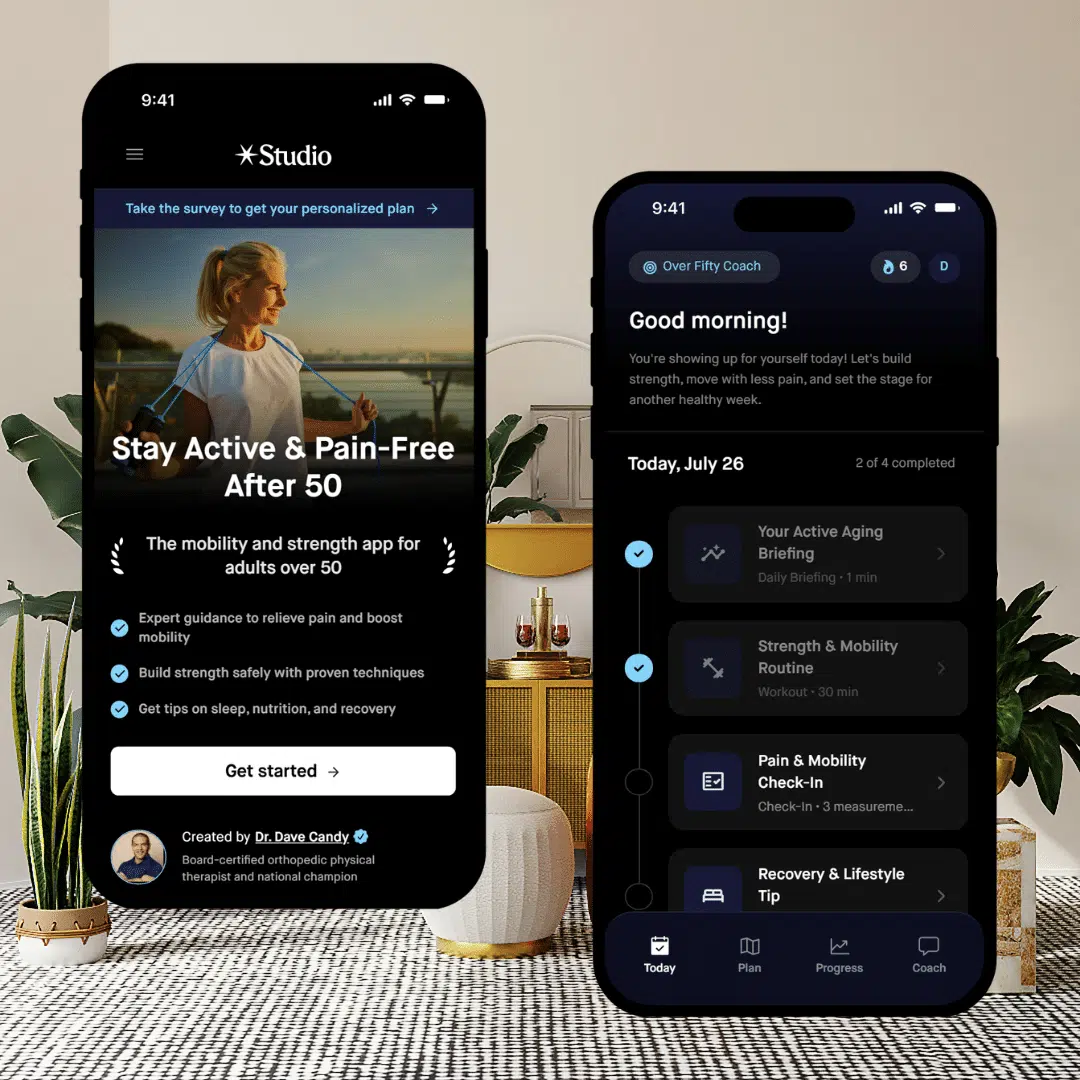
Need Help To Stay Strong and Mobile After 50?
Affiliate Disclosure: This post contains affiliate links to Amazon and/or other sites. While I only recommend products that I trust, as an Amazon Associate, I earn commission from qualifying purchases at no extra cost to you.
Medical Disclaimer: The content on this site is for educational and informational purposes only and is not intended as medical advice. Always consult with a qualified healthcare professional before beginning any new exercise program, diet, or supplement regimen, especially if you have pre-existing health conditions.