
Understanding Pain in the Small of Your Back
Pain in the small of your back, commonly referred to as lower back pain, can be debilitating and affect your daily activities. This discomfort typically occurs in the lumbar region, primarily around the L4-L5 or L5-S1 vertebrae. Understanding what causes this pain is crucial for finding effective relief.
What Causes Pain in the Small of Your Back?
The small of your back experiences significant stress, especially when standing or walking. When in an upright position, the sharp inward curve can compress the spinal joints, leading to central pain. This discomfort often arises during activities that require extension, making it essential to identify and address the underlying factors contributing to your pain.
Tips to Relieve Pain in the Small of Your Back
To alleviate pain in the small of your back, consider the following actionable tips:
1. Adjust Your Posture
Maintaining proper posture is vital for reducing discomfort. Instead of allowing your spine to hyperextend, roll your pelvis underneath and flatten your back. This adjustment should create a smoother curve in your lumbar region, leading to better spinal alignment and less pain.
2. Modify Your Walking Technique
How you walk can significantly impact your lower back pain. Try to lead with your heel while walking to avoid extending your back too much. Instead, focus on pushing off with your toes and leaning slightly forward. This technique opens up the spaces between the joints in your lower back, reducing compression and discomfort.
3. Stretch Your Hip Flexors
Stiff hip flexors can contribute to back pain. To stretch them effectively, position one leg forward and the other back while tucking your pelvis underneath. This movement helps flatten your spine and facilitates better standing posture.
Conclusion: Next Steps for Lower Back Relief
By implementing these tips, you can significantly reduce pain in the small of your back while standing and walking. Remember that correcting your posture not only alleviates discomfort but can also enhance your overall appearance. If these strategies help you, consider sharing your experience with others. Maintaining a healthy back is an ongoing journey, and understanding your body is the first step to relief.
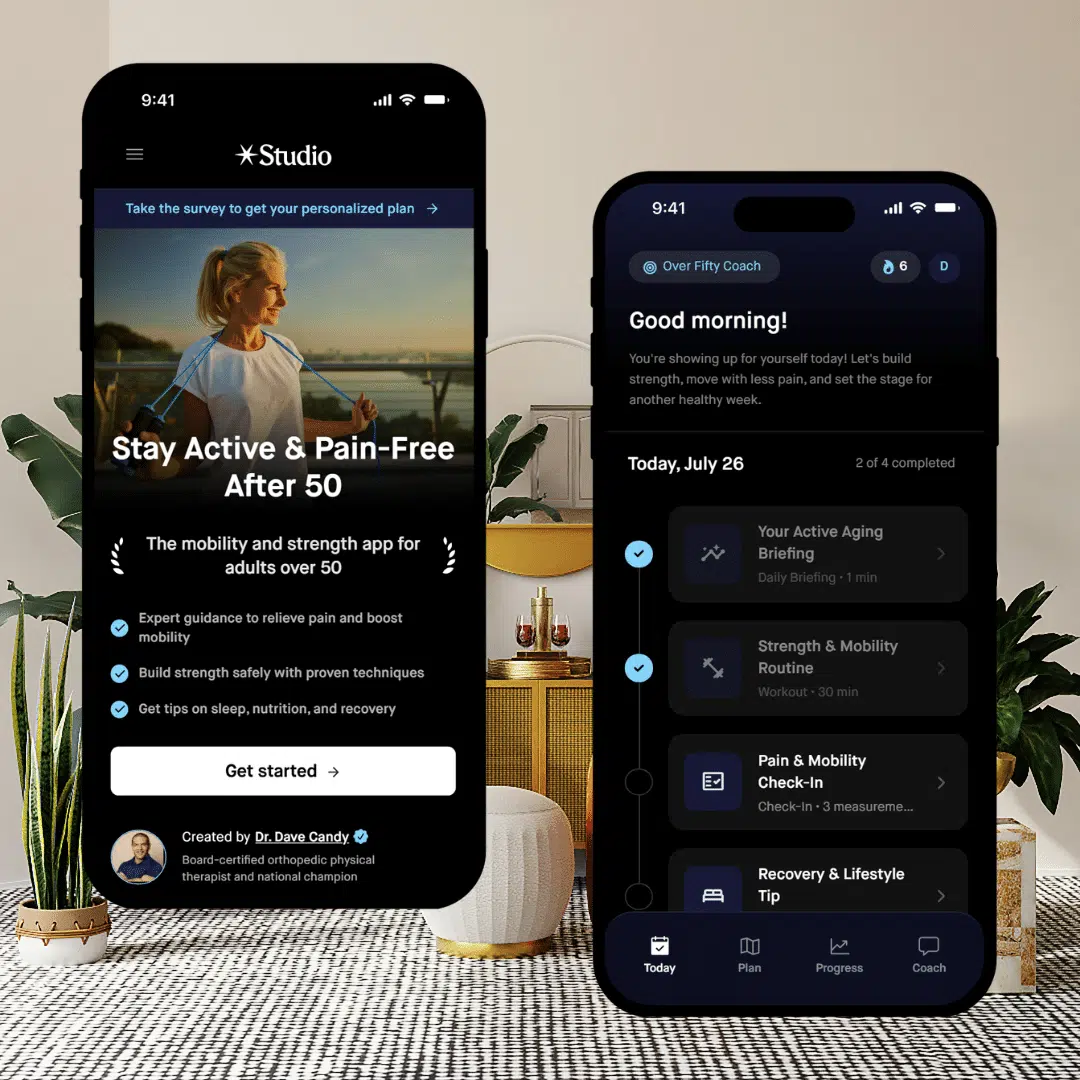
Need Help To Stay Strong and Mobile After 50?
Affiliate Disclosure: This post contains affiliate links to Amazon and/or other sites. While I only recommend products that I trust, as an Amazon Associate, I earn commission from qualifying purchases at no extra cost to you.
Medical Disclaimer: The content on this site is for educational and informational purposes only and is not intended as medical advice. Always consult with a qualified healthcare professional before beginning any new exercise program, diet, or supplement regimen, especially if you have pre-existing health conditions.