
Understanding Back Pain and Spinal Stenosis
Back pain and spinal stenosis can significantly impact daily life, making simple activities like walking challenging. For individuals suffering from these conditions, finding effective forms of exercise is crucial. One solution that has gained attention is the recumbent bike. This article delves into whether a recumbent bike is good for back pain and spinal stenosis, how it can aid recovery, and tips for using it effectively.
Why Choose a Recumbent Bike?
A recumbent bike is often recommended for those with back pain, particularly spinal stenosis. Unlike traditional upright bikes, a recumbent bike allows users to sit back against a supportive backrest. This position can help reduce strain on the spine and promote better blood flow to the affected areas.
Benefits of Using a Recumbent Bike
For those with spinal stenosis, exercising can be painful, especially when walking. A recumbent bike offers a low-impact alternative that can enhance recovery. Here are a few benefits:
- Supportive Position: The backrest enables users to maintain a neutral spine position, reducing pressure on spinal joints.
- Improved Blood Flow: Cycling stimulates circulation, delivering essential nutrients and oxygen to the spine and surrounding tissues.
- Gradual Progression: Users can start exercising without the discomfort associated with standing or walking for prolonged periods.
How to Use a Recumbent Bike Effectively
To maximize the benefits of a recumbent bike, it’s essential to use it correctly. Here are some tips:
Positioning
Ensure that you sit all the way back against the backrest. This position allows your muscles to relax, opening up the spaces between your spinal joints and nerve roots.
Avoid leaning too far forward or reaching excessively for the pedals, as this can lead to discomfort. Your back should ideally be at a 90° angle, promoting optimal spinal alignment.
Combining with Walking
While a recumbent bike is beneficial, it’s important to integrate walking back into your routine. Start with short walking sessions, gradually increasing duration as tolerated. Aim for manageable periods, such as three sets of five minutes, and then complement your walking with time spent on the bike.
Stretching After Cycling
Using a recumbent bike can sometimes lead to stiffness in the hip flexors. To combat this, incorporate stretching after your cycling sessions. Here’s a simple hip flexor stretch:
- Stand up straight with one leg in front of the other.
- Gently push your hips forward until you feel a stretch in the front of the hip on the back leg.
- Hold for 15-30 seconds and switch legs.
Conclusion
In summary, a recumbent bike is a valuable tool for those dealing with back pain and spinal stenosis. It provides a supportive and effective way to maintain fitness and promote recovery. Always remember to combine biking with walking and incorporate stretching into your routine for optimal results. If you have persistent back pain or need personalized advice, consider consulting a healthcare professional for guidance.
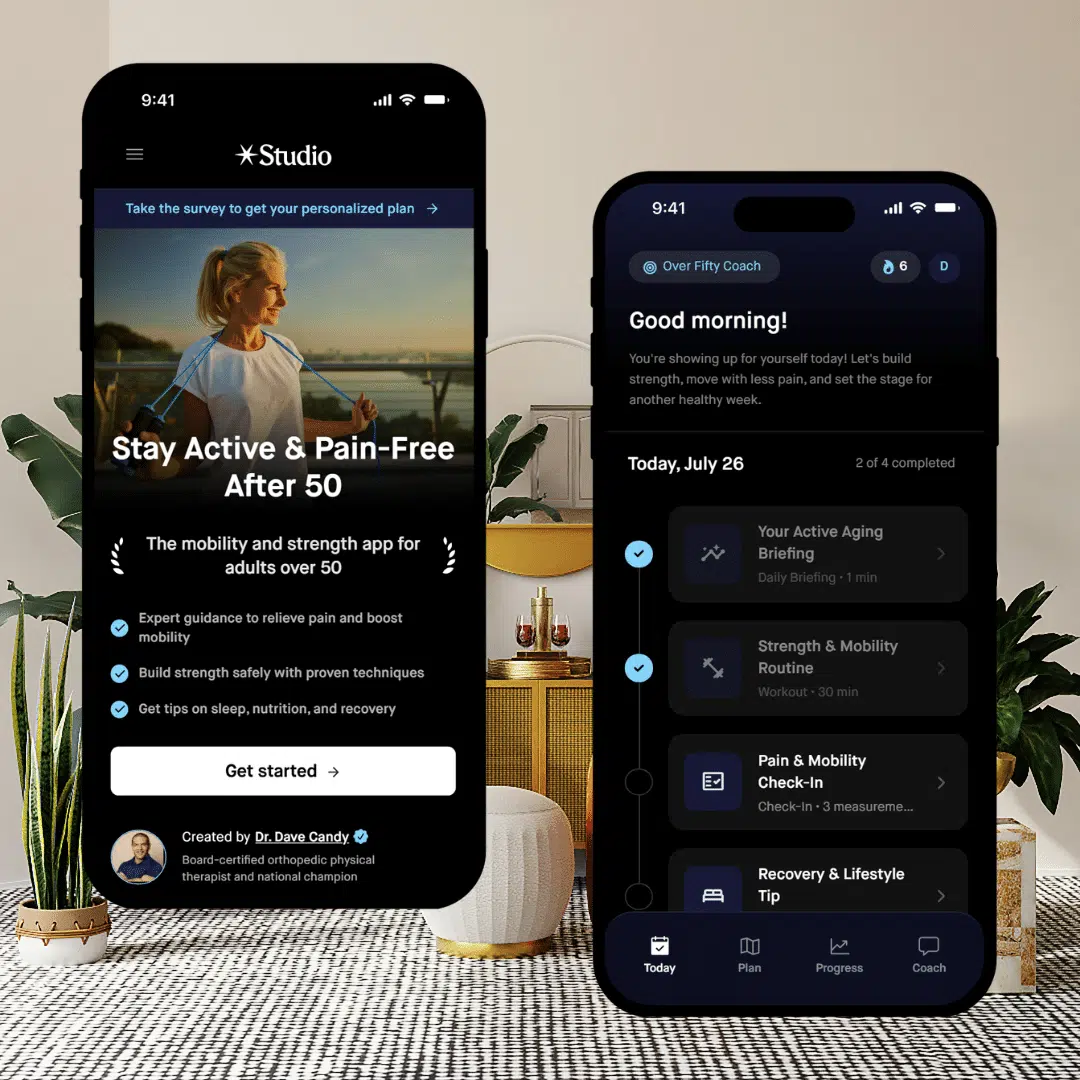
Need Help To Stay Strong and Mobile After 50?
Affiliate Disclosure: This post contains affiliate links to Amazon and/or other sites. While I only recommend products that I trust, as an Amazon Associate, I earn commission from qualifying purchases at no extra cost to you.
Medical Disclaimer: The content on this site is for educational and informational purposes only and is not intended as medical advice. Always consult with a qualified healthcare professional before beginning any new exercise program, diet, or supplement regimen, especially if you have pre-existing health conditions.