
Understanding Back Spasms
Back spasms can be a frustrating and painful experience, often leaving you wondering how long they will last. In this post, we will explore the causes of back spasms, their duration, and effective at-home treatments to relieve lower back pain.
What Causes Back Spasms?
Back spasms occur when the muscles in your back tighten involuntarily. They can be triggered by various factors, including:
- Acute Injuries: Sudden movements, such as bending down to pick something up, can cause immediate spasms.
- Gradual Onset: Overexertion from activities that your body isn’t used to can lead to spasms that may develop overnight.
- Sustained Positions: Sitting or sleeping in an awkward position for extended periods can also result in muscle tightness.
How Long Do Back Spasms Last?
The duration of back spasms can vary significantly. Most spasms resolve within a week or two with proper care. However, some individuals may experience chronic spasms lasting months or even years. Chronic back spasms are often linked to a tense nervous system and can be exacerbated by ongoing stress.
Recognizing Chronic Back Spasms
If your spasms persist beyond a couple of weeks, it’s essential to address the issue proactively. Chronic spasms may indicate that your muscles are not weak but rather overly tight and unable to relax. This can lead to a cycle of pain and tension.
Quick Relief Strategies for Back Spasms
To alleviate back spasms effectively, consider the following techniques:
1. Deep Breathing Techniques
One of the simplest yet most effective methods to ease back spasms is through deep breathing. Here’s how to practice:
- Lie down on your back to unload your spine.
- Focus on letting your belly rise as you inhale and fall as you exhale.
- Continue this for 5 to 10 minutes, allowing the breathing to calm your muscles.
Research shows that diaphragmatic breathing can release natural pain-relieving chemicals in your body, helping to relax the muscles without resorting to medications.
2. Gentle Stretching
Stretching can effectively alleviate muscle tightness. Here are some stretches to try:
- Side Stretch: Gently stretch away from the side of the spasm to target the quadratus lumborum muscle.
- Forward Bend: Bend forward to touch your toes, which will help elongate your back muscles.
- Child’s Pose: Rock back towards your heels to stretch and relax your back muscles.
3. Physical Therapy Options
If your spasms are chronic and do not improve with self-care, consider consulting a physical therapist. Treatments such as:
- Spinal manipulation
- Massage therapy
- Dry needling
These therapies can help break the cycle of pain and spasm, allowing you to regain mobility and comfort.
Next Steps for Managing Back Spasms
To effectively manage back spasms, start by implementing the deep breathing and stretching techniques discussed. If symptoms persist, seek professional guidance from a physical therapist who can provide tailored treatment options.
Remember, while back spasms can be painful, there are numerous strategies you can employ to relieve discomfort and promote recovery. By taking proactive steps, you can get back to your daily activities with greater ease and comfort.
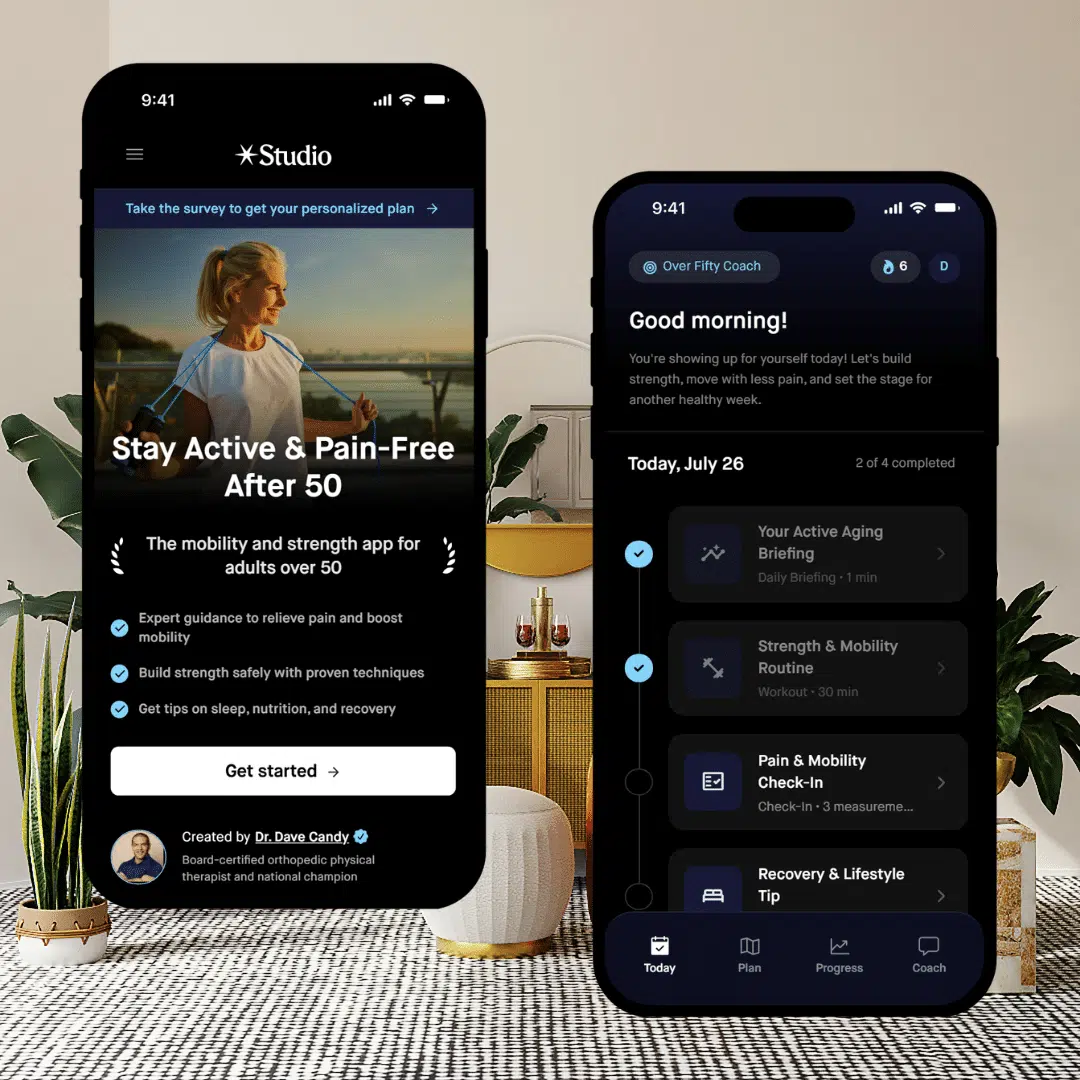
Need Help To Stay Strong and Mobile After 50?
Affiliate Disclosure: This post contains affiliate links to Amazon and/or other sites. While I only recommend products that I trust, as an Amazon Associate, I earn commission from qualifying purchases at no extra cost to you.
Medical Disclaimer: The content on this site is for educational and informational purposes only and is not intended as medical advice. Always consult with a qualified healthcare professional before beginning any new exercise program, diet, or supplement regimen, especially if you have pre-existing health conditions.