
Understanding Morning Ankle Pain
Many people experience ankle pain when they wake up, and it can be perplexing. If you’ve found yourself stepping out of bed only to be met with discomfort, you’re not alone. This blog will explore the reasons behind your ankle pain and offer practical tips for relief.
Common Causes of Ankle Pain in the Morning
One of the most frequent causes of ankle pain upon waking is stiffness. This can occur due to how you sleep, especially if your ankle is held in a fixed position throughout the night. For instance, sleeping on your back with blankets pressing down can lead to stiffness, as can sleeping on your side with your ankles pointed down.
Ankle Stiffness and Muscle Tightness
When your ankles remain in a static position, the muscles surrounding them, particularly the calf muscles, can become tight. This muscle tightness can make it challenging to move your ankle properly when you first get up. Often, this stiffness is felt more acutely in the morning, right after you wake up.
Nerve Compression and Its Effects
Another potential cause of ankle pain is nerve compression. The sural nerve, located on the outer side of your ankle, requires adequate space and movement to stay healthy. When you’ve been immobile during sleep, the lack of blood flow and movement may cause this nerve to become compressed, leading to pain when weight is placed on the ankle.
Tips for Relieving Morning Ankle Pain
Fortunately, there are several strategies you can employ to alleviate ankle pain in the morning. Here are some actionable tips you can try:
1. Gentle Ankle Movements
When you first sit up in bed, take a moment to move your ankle gently. Pointing your toes and flexing your foot up and down can help increase circulation and loosen tight muscles. Try moving your ankle in circles as well to increase flexibility.
2. Toe Exercises
Engaging your toes can also aid in relieving tension. Scrunching your toes and then stretching them out helps activate the muscles in your feet and supports overall ankle stability. This is particularly beneficial for preventing over-pronation.
3. Controlled Steps
When getting out of bed, take shorter, controlled steps rather than leaping into a full stride. This approach minimizes the pressure on your ankle joints and allows them to warm up gradually. Keeping your arch lifted while you walk can also help prevent excessive flattening of the foot.
Addressing Specific Areas of Pain
Depending on where your ankle pain is localized, different strategies may be beneficial:
Pain on the Outside of the Ankle
If you experience pain on the outer side, focus on ankle movements and gentle stretches to release tension. Ensure you also pay attention to the sural nerve by avoiding positions that may compress it.
Pain on the Inside of the Ankle
For pain on the inner side, similar movements apply. Engage your foot’s arch and perform toe scrunches to promote stability and prevent over-pronation.
Pain in the Front of the Ankle
If your pain is concentrated at the front, it could be related to arthritis or stiffness. Again, gentle ankle movements and taking shorter steps can help alleviate discomfort.
Pain in the Back of the Ankle
Pain in the Achilles tendon area often indicates tight calf muscles. Massaging the calf and performing ankle movements can relieve tension and promote flexibility in this area.
When to Seek Professional Help
If your ankle pain persists despite trying these tips, it’s important to consult a physical therapist. They can assess your specific situation and provide personalized strategies to address the underlying causes of your ankle discomfort.
Conclusion
Waking up with ankle pain doesn’t have to be a daily struggle. By understanding the reasons behind your discomfort and implementing simple morning routines, you can significantly improve your morning experience. Remember, if pain continues, reaching out for professional help can lead to lasting relief.
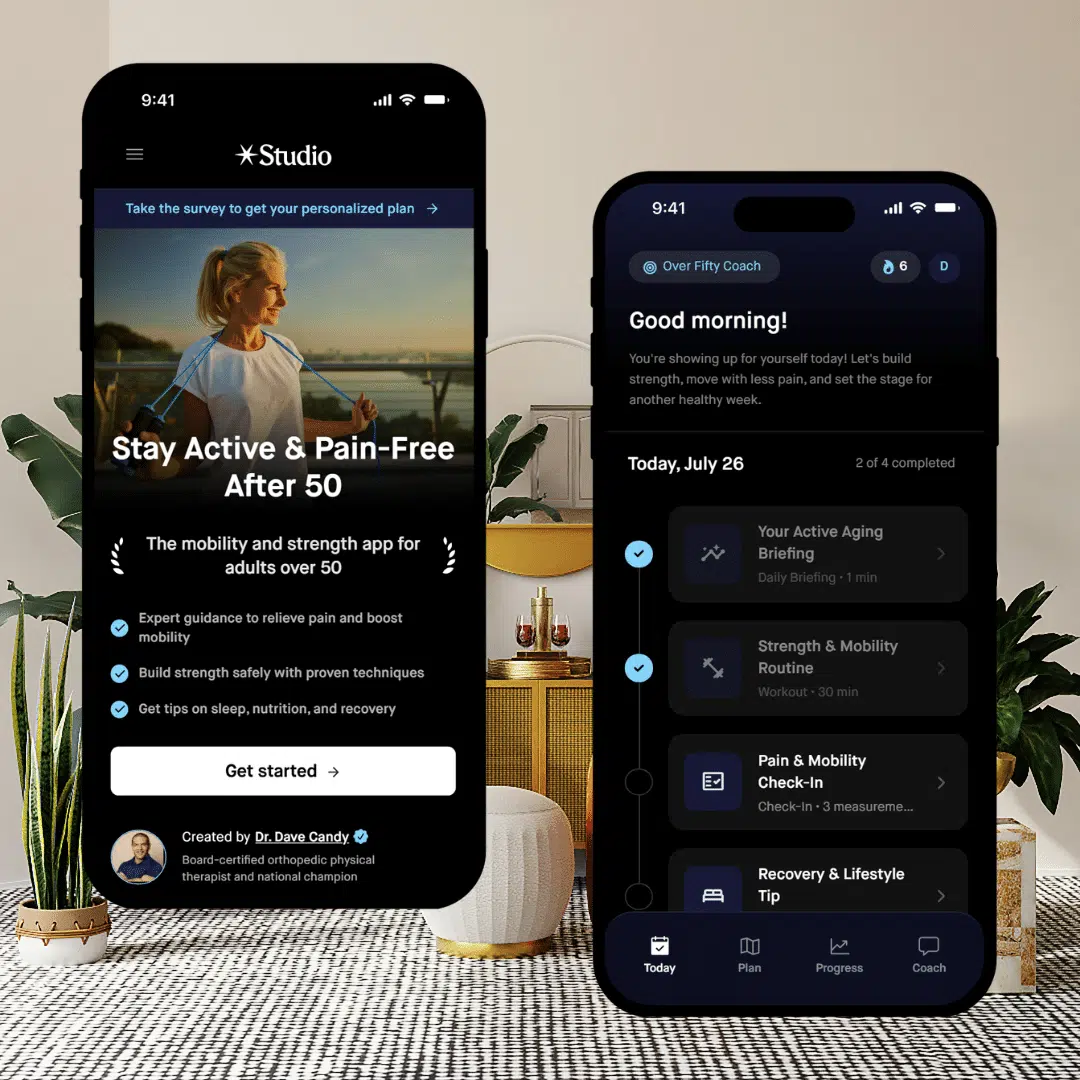
Need Help To Stay Strong and Mobile After 50?
Affiliate Disclosure: This post contains affiliate links to Amazon and/or other sites. While I only recommend products that I trust, as an Amazon Associate, I earn commission from qualifying purchases at no extra cost to you.
Medical Disclaimer: The content on this site is for educational and informational purposes only and is not intended as medical advice. Always consult with a qualified healthcare professional before beginning any new exercise program, diet, or supplement regimen, especially if you have pre-existing health conditions.