
Understanding Hip Pain When Sleeping on Your Side
Do you experience hip pain from lying on your side? It’s a common issue for many people, especially those with wider hips or pelvic structures. The pain often stems from pressure on the greater trochanter, a bony prominence on the outer hip. This pressure can affect various structures, including the bursa and tendons, leading to discomfort during sleep.
Three Easy Tips to Relieve Hip Pain
Fortunately, there are simple strategies to mitigate hip pain when sleeping on your side. Here are three effective tips to help you sleep more comfortably:
1. Switch Sides and Use a Pillow
If you find that one side is more painful, consider switching to your opposite side. To further alleviate pressure, place a pillow between your knees. This will keep your hips aligned and prevent the painful side from bearing excessive weight.
2. Elevate Your Waist with a Towel or Small Pillow
For those who often roll back to the painful side, elevating your waist can distribute pressure more evenly. Use a small towel or pillow beneath your waist to fill the gap and reduce pressure on the greater trochanter. This technique allows for better weight distribution and can significantly lessen discomfort during the night.
3. Consider Specialized Sleep Products
Many patients have found relief using specialized sleep products designed to maintain proper alignment. One such product includes a waist pillow that fits snugly between your ribcage and pelvis, helping to reduce rolling during the night. Additionally, a knee pillow with grooves can provide more comfort and stability by keeping your knees apart while you sleep. The added elastic feature ensures that the pillow stays in place, even if you toss and turn.
Next Steps for Better Sleep
Experiment with these tips to find what works best for you. If the pain persists or worsens, consider consulting a healthcare professional for further assistance. Remember, proper sleep posture is crucial for overall hip health, and making these adjustments can lead to more restful nights.
By implementing these strategies, you can reduce hip pain and improve your sleep quality. Don’t let discomfort hold you back from a good night’s rest!
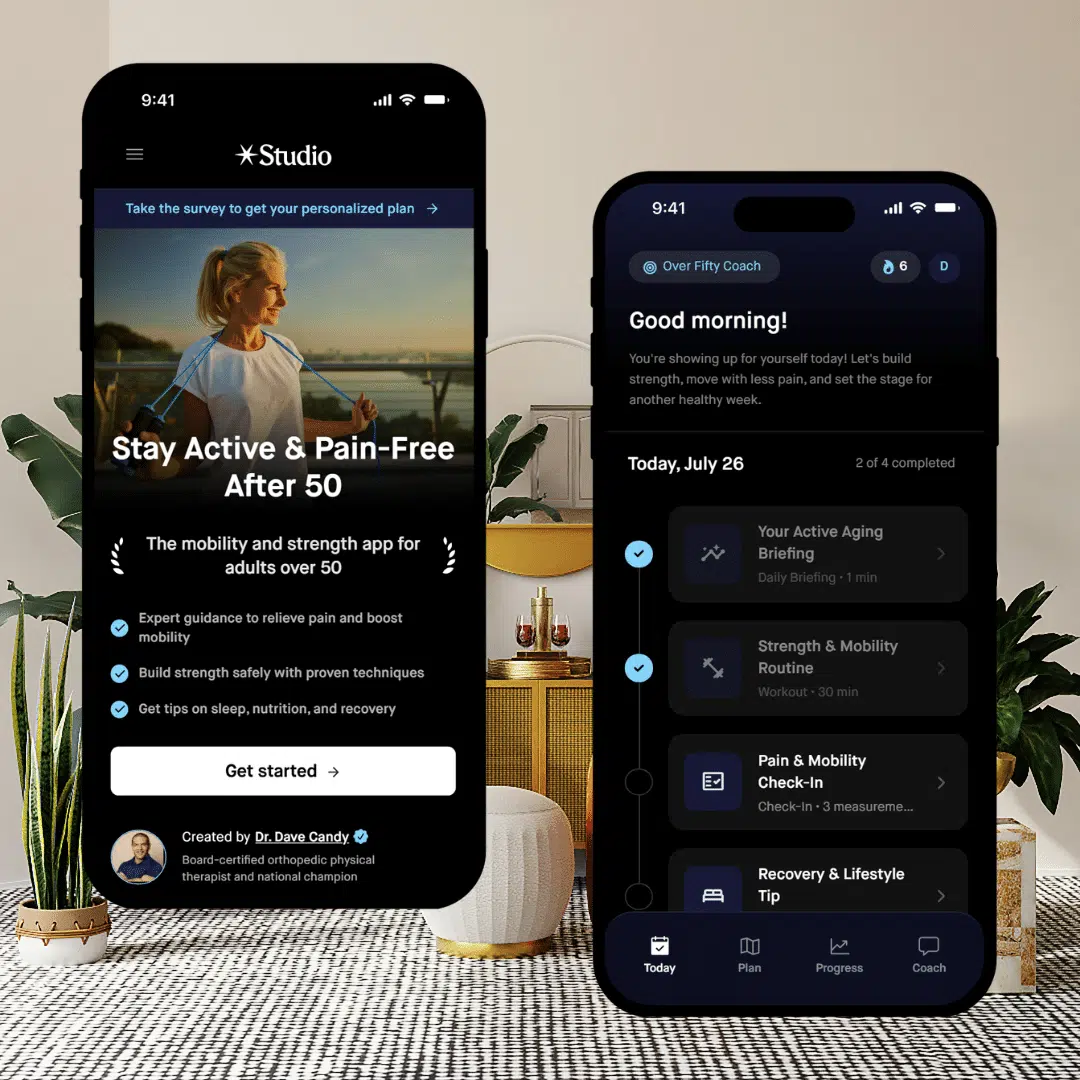
Need Help To Stay Strong and Mobile After 50?
Affiliate Disclosure: This post contains affiliate links to Amazon and/or other sites. While I only recommend products that I trust, as an Amazon Associate, I earn commission from qualifying purchases at no extra cost to you.
Medical Disclaimer: The content on this site is for educational and informational purposes only and is not intended as medical advice. Always consult with a qualified healthcare professional before beginning any new exercise program, diet, or supplement regimen, especially if you have pre-existing health conditions.