
Understanding Military Neck and Its Causes
Military neck, also known as flat neck syndrome, occurs when there is a loss of cervical lordosis, the natural curve in your neck. This condition can lead to neck pain and discomfort. Often, people develop military neck due to poor posture habits, particularly those who maintain a rigid, upright posture for extended periods.
The Importance of Cervical Lordosis
Cervical lordosis is crucial for maintaining the natural S-shaped curve of the spine. A healthy curve distributes weight evenly and allows for better movement and flexibility. When this curve is lost, it can lead to compensatory issues in other areas of the spine, resulting in pain and discomfort. It’s important to understand what causes military neck to effectively address and restore the normal curve.
Common Causes of Military Neck
Military neck can arise from various factors, including:
- Prolonged poor posture, especially when sitting or driving
- Repetitive activities that strain the neck
- Muscle imbalances between the back and front of the neck
- Injury or trauma to the neck
Actionable Steps to Restore Cervical Lordosis
Restoring the curve in your neck is essential for relieving pain and improving overall spinal health. Here are some effective strategies:
1. Check Your Posture Regularly
Make it a habit to check your posture throughout the day. Ensure that your ears align with your shoulders and that your head is not protruding forward. This simple adjustment can significantly help in restoring cervical lordosis.
2. Adjust Your Sitting Position
If you spend long hours at a desk, sit back in your chair with your lower back supported. Your feet should be flat on the ground, and your arms should rest on the armrests. This position can help reduce neck strain.
3. Incorporate Neck and Upper Back Exercises
Strengthening the muscles around your neck and upper back can help restore proper alignment. Consider incorporating exercises like chin tucks, neck stretches, and upper back strengthening exercises into your routine.
4. Use Proper Pillows
Choosing the right pillow can support the natural curve of your neck during sleep. Look for a pillow that keeps your neck aligned with your spine without forcing it into an unnatural position.
Treating Different Types of Military Neck
There are two predominant types of military neck, and treatment approaches can vary:
1. Forward Head Posture
If you notice that your head juts forward, focus on reducing the curve in both the upper and lower parts of your neck. Maintaining an upright position with your head aligned over your shoulders can help correct this issue.
2. Straight Neck Posture
If your neck is perfectly straight, allowing a slight slouch in your upper back can help. This may seem counterintuitive, but it encourages a natural curve in the neck when combined with proper head alignment.
Additional Strategies for Relief
In addition to the above strategies, consider the following tips for alleviating neck pain:
- Apply heat or ice to the neck to reduce inflammation and muscle tension.
- Practice relaxation techniques such as yoga or meditation to manage stress.
- Seek professional help, such as physical therapy, for tailored exercises and treatments.
Conclusion: Take the Next Step Towards Recovery
Restoring the curve in your neck is essential for long-term health and well-being. By implementing these actionable steps and regularly checking your posture, you can alleviate pain associated with military neck. If you continue to experience discomfort, consider consulting a healthcare professional to explore further treatment options.
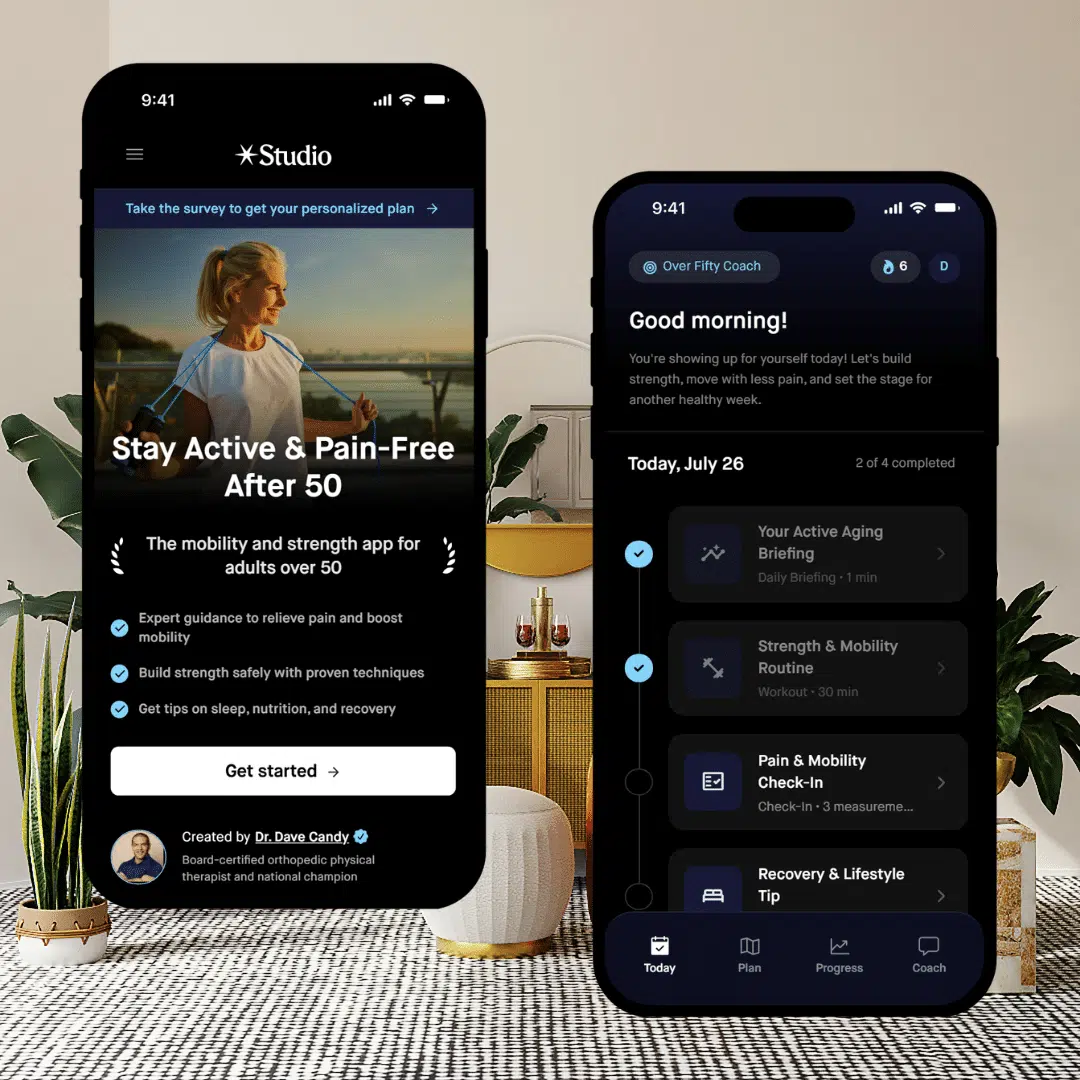
Need Help To Stay Strong and Mobile After 50?
Affiliate Disclosure: This post contains affiliate links to Amazon and/or other sites. While I only recommend products that I trust, as an Amazon Associate, I earn commission from qualifying purchases at no extra cost to you.
Medical Disclaimer: The content on this site is for educational and informational purposes only and is not intended as medical advice. Always consult with a qualified healthcare professional before beginning any new exercise program, diet, or supplement regimen, especially if you have pre-existing health conditions.