
Understanding GLP-1 Medications and Muscle Loss
If you’re considering weight loss through GLP-1 medications like Ozempic or Wegovy, it’s essential to understand their impact on muscle mass. While these medications can be effective for managing obesity and type 2 diabetes, they may inadvertently lead to muscle loss. This post explores how to lose weight without losing muscle and offers practical advice to maintain your strength.
The Hidden Risks of GLP-1 Medications
GLP-1, or glucagon-like peptide 1, is a hormone released by the gut after eating. It promotes feelings of fullness, leading to reduced appetite. However, this appetite suppression can result in consuming fewer essential nutrients, particularly protein, which is crucial for muscle preservation. Research indicates that individuals using GLP-1 medications can lose a significant portion of their weight as lean mass, which includes muscle.
Why Muscle Loss Can Be Problematic
A concerning trend observed in clinical settings is that patients using GLP-1 medications report increased knee pain and overall weakness. This is particularly alarming given that individuals with metabolic diseases are already susceptible to muscle wasting. Losing muscle mass not only affects strength but also decreases metabolic rate, making weight management more challenging.
Strategies to Maintain Muscle While Losing Weight
To safely lose weight while preserving muscle mass, follow these guidelines:
1. Set Realistic Weight Loss Goals
Aim to lose no more than 0.5 to 1 pound per week. Rapid weight loss can lead to muscle loss, especially if you’re not meeting your protein needs. Slow and steady wins the race when it comes to sustainable weight loss.
2. Prioritize Protein Intake
Ensure you’re consuming enough protein, which is vital for muscle maintenance. Aim for 1.2 to 2.0 grams of protein per kilogram of body weight. For a 220-pound individual, that translates to about 120 to 200 grams of protein daily. Make protein your first priority in your diet.
3. Calculate Your Maintenance Calories
To create a caloric deficit for weight loss, first determine your maintenance calories, typically around 13 to 15 calories per pound of body weight. For example, a 220-pound person would need approximately 2,860 to 3,300 calories to maintain weight. Subtract 250 to 500 calories from this number for your daily intake, ensuring you still meet your protein needs.
4. Avoid Extreme Caloric Deficits
Eating fewer than 1,200 calories daily can be detrimental. Many individuals on GLP-1s have reduced their intake to as little as 600-800 calories, which may not be sufficient to support basic physiological functions. This can lead your body to compensate by burning muscle for energy.
Exercise: The Key to Muscle Preservation
Incorporate strength training into your routine to help maintain muscle mass. Aim for challenging weights that stimulate your muscles effectively. It doesn’t matter if it’s five reps or thirty; the goal is to feel challenged.
5. Combine Strength Training with Cardiovascular Exercise
While strength training is crucial, don’t neglect cardiovascular exercise. Engaging in regular physical activity helps burn fat while supporting overall health. A balanced approach will yield the best results.
Conclusion: Achieving Sustainable Weight Loss
In conclusion, losing weight without losing muscle is achievable with the right strategies. Focus on realistic weight loss goals, prioritize protein, and engage in regular strength training. If you’re struggling with muscle loss while on GLP-1 medications, consider consulting with a healthcare professional or a dietitian for a personalized approach.
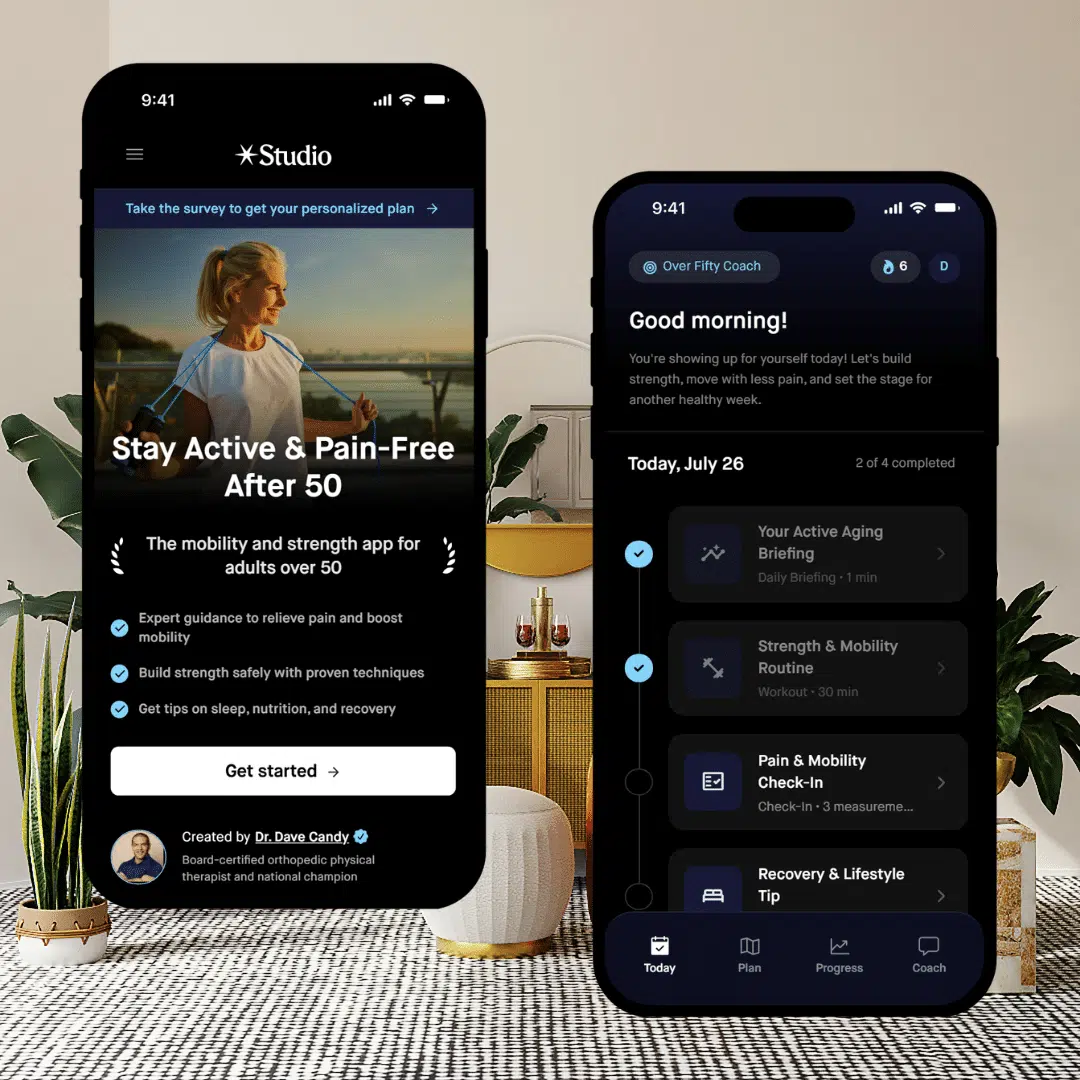
Need Help To Stay Strong and Mobile After 50?
Affiliate Disclosure: This post contains affiliate links to Amazon and/or other sites. While I only recommend products that I trust, as an Amazon Associate, I earn commission from qualifying purchases at no extra cost to you.
Medical Disclaimer: The content on this site is for educational and informational purposes only and is not intended as medical advice. Always consult with a qualified healthcare professional before beginning any new exercise program, diet, or supplement regimen, especially if you have pre-existing health conditions.