
Introduction to Back Pain vs Kidney Pain
Back pain and kidney pain are common concerns, but understanding the differences between them is crucial for effective treatment. Many people wonder if their back pain is originating from kidney issues. In fact, over 80% of individuals in America will experience back pain at some point, while kidney problems are considerably less frequent. This blog post will guide you through the signs and symptoms of each, helping you identify what you’re experiencing.
How to Differentiate Between Back Pain and Kidney Pain
Understanding the location and nature of your pain can help distinguish between back pain and kidney pain. Typically, kidney pain is located higher up in the back, just beneath the rib cage, while lower back pain is felt near the belt line.
Characteristics of Kidney Pain
Kidney pain is often described as a deep, constant ache that does not change with movement. It may become more pronounced during certain activities, such as:
- Going to the bathroom
- Drinking large amounts of water
- Consuming a high-protein meal
If you notice blood in your urine or experience any unusual symptoms, it is essential to seek medical attention immediately, as these are strong indicators that your back pain may be related to kidney issues.
Understanding Back Pain
Most cases of back pain are muscular or skeletal in nature. If you woke up with sudden back pain without a specific injury, it is unlikely that a kidney problem is the cause. Instead, consider the following:
- Muscle strain or overuse
- Poor posture
- Inactivity
To manage lower back pain, you can start with some simple self-care strategies.
Self-Care Techniques for Back Pain
Effective self-care can help alleviate lower back pain. Here are some strategies to try:
- Stretching: Gentle stretching can relieve tension in the muscles surrounding your back.
- Heat Therapy: Applying heat can help to relax tight muscles and improve blood circulation.
- Rest: Giving your body time to heal is vital, especially if you have recently experienced sudden pain.
If these self-care measures relieve your symptoms, it is likely that your pain is not related to your kidneys.
When to Seek Professional Help
Even if your back pain seems mild, seeking professional help can expedite recovery. A physical therapist can help determine whether your pain is muscular or if further medical evaluation is needed. Here’s what a therapist can do for you:
- Assess your condition through a thorough examination
- Provide tailored exercises and stretches
- Offer advice on pain management techniques
- Help in differentiating between muscular and potential pathological issues
Accessing help early can often resolve issues within a few visits and save you from expensive tests like MRIs.
Conclusion: Take Control of Your Back Pain
Understanding the differences between back pain and kidney pain is essential for effective management. If you suspect your pain is muscular, try self-care techniques and consider seeking help from a physical therapist. If symptoms persist or worsen, particularly if you experience concerning signs like blood in your urine, don’t hesitate to consult a healthcare professional.
By staying informed and proactive, you can better manage your pain and improve your overall health.
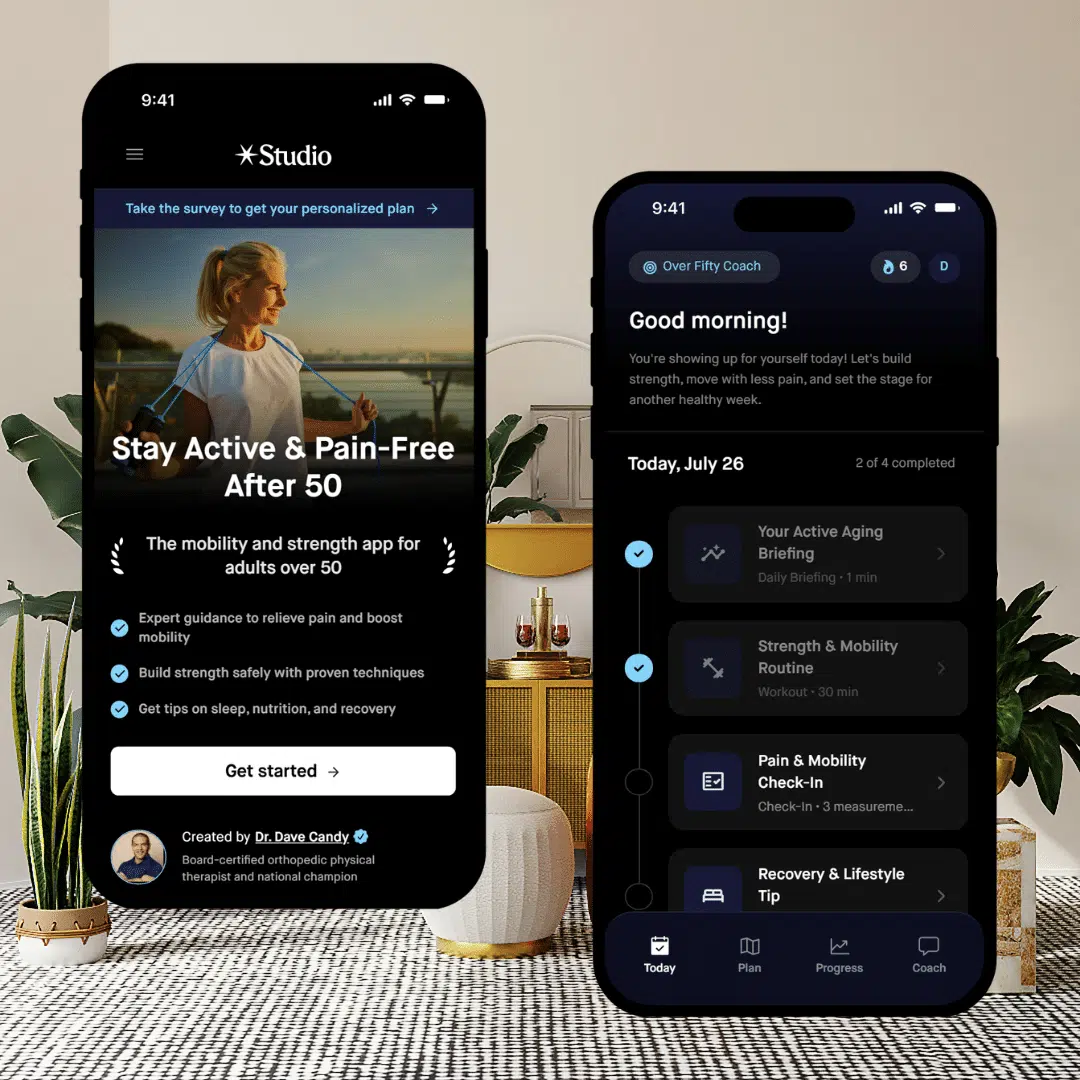
Need Help To Stay Strong and Mobile After 50?
Affiliate Disclosure: This post contains affiliate links to Amazon and/or other sites. While I only recommend products that I trust, as an Amazon Associate, I earn commission from qualifying purchases at no extra cost to you.
Medical Disclaimer: The content on this site is for educational and informational purposes only and is not intended as medical advice. Always consult with a qualified healthcare professional before beginning any new exercise program, diet, or supplement regimen, especially if you have pre-existing health conditions.