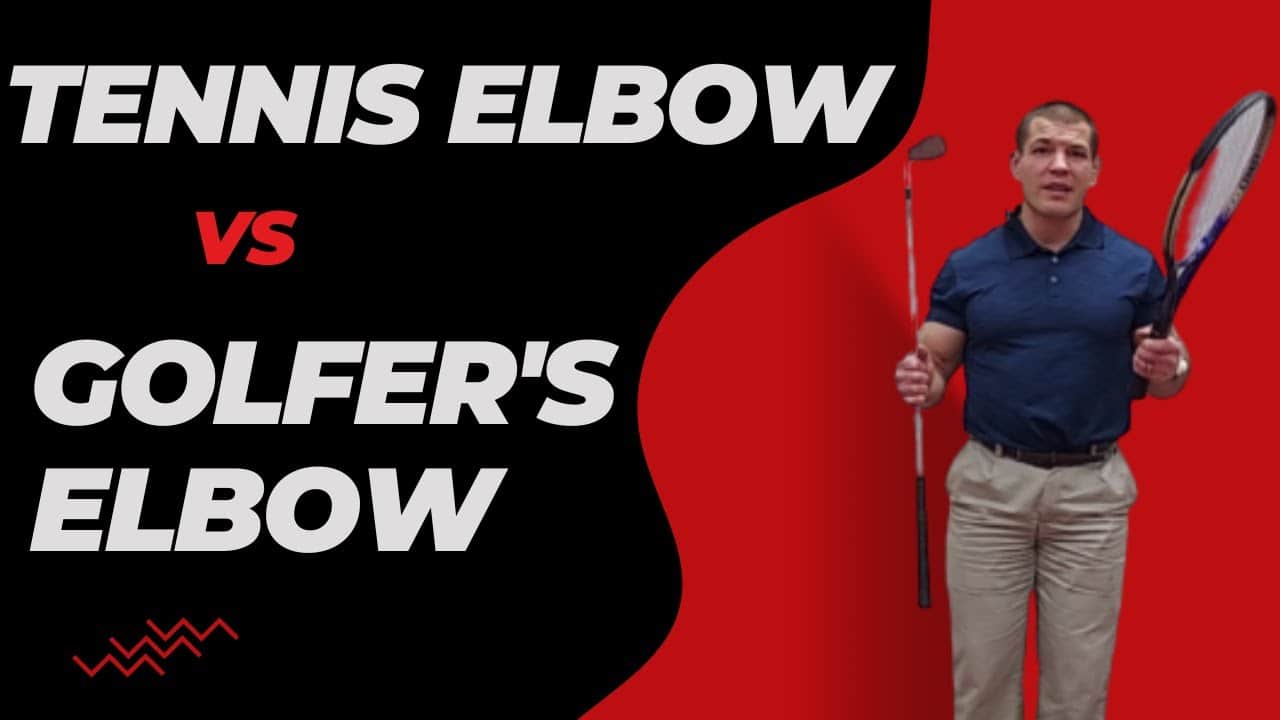
Understanding Tennis Elbow and Golfer’s Elbow
Tennis elbow and golfer’s elbow are common conditions that can affect anyone, not just athletes. These conditions arise from repetitive strain and overuse of the muscles in your forearm. In this post, we’ll explore the differences between these two elbow issues and provide tips on how to play tennis and golf without experiencing elbow pain.
What is Tennis Elbow?
Tennis elbow, also known as lateral epicondylitis, is characterized by pain on the outside of the elbow. This condition typically arises from overuse of the wrist extensor muscles during activities such as playing tennis. The pain you feel often stems from the stress on these muscles when hitting the ball, especially during backhand strokes.
Identifying the Symptoms
The primary symptom is pain on the outer part of the elbow, which may radiate down the forearm. You might experience discomfort when gripping, lifting, or performing basic tasks. Understanding the mechanics of your swing is crucial for prevention.
Tips for Preventing Tennis Elbow
Here are some actionable steps to help you avoid tennis elbow while playing:
- Proper Positioning: Before hitting the ball, ensure your feet are positioned correctly. This minimizes strain on your forearm and helps absorb shock.
- Follow Through: Always follow through with your swing. Stopping abruptly can increase the impact on your elbow.
- Use the Right Equipment: Consider using a racket with a suitable grip size and string tension to help reduce shock.
- Shock Absorbing Braces: Wearing a brace designed to absorb shock can provide additional support during play.
What is Golfer’s Elbow?
Golfer’s elbow, or medial epicondylitis, is pain located on the inside of the elbow. This condition is often triggered by overuse of the flexor-pronator muscles, especially during powerful swings in golf.
Recognizing the Symptoms
Symptoms include pain on the inside of the elbow, stiffness, and weakness in the hands and wrists. Golfers may notice discomfort during their follow-through or when gripping the club tightly.
Strategies to Prevent Golfer’s Elbow
To protect yourself from golfer’s elbow, consider the following strategies:
- Set Up Your Shot: Properly align your front foot and body during your swing to enhance your follow-through.
- Winding Up Correctly: Ensure your body is wound up properly before releasing the swing. This distributes the force more evenly.
- Use Quality Equipment: A club that absorbs shock can aid in preventing excessive strain on your elbow.
- Shock Absorbing Gear: Similar to tennis, utilizing gear designed to absorb shock can help mitigate the risk of injury.
Exercises to Strengthen Your Elbows
Incorporating specific exercises can help strengthen the muscles around your elbow and reduce the risk of both tennis and golfer’s elbow:
- Wrist Extensions: Perform high repetitions of wrist extension exercises with minimal weight to strengthen the extensor muscles.
- Wrist Flexions: For golfer’s elbow, focus on wrist flexion exercises to condition the flexor muscles.
- Massage Therapy: Use a tennis or golf ball to roll out knots in your forearm muscles, focusing on areas that feel tight.
Conclusion
Understanding the differences between tennis elbow and golfer’s elbow is essential for prevention and recovery. By implementing proper techniques, using the right equipment, and performing strengthening exercises, you can enjoy your favorite sports pain-free. If you experience persistent elbow pain, consider consulting a healthcare professional for personalized advice and treatment options.
Need Help To Stay Strong and Mobile After 50?
Affiliate Disclosure: This post contains affiliate links to Amazon and/or other sites. While I only recommend products that I trust, as an Amazon Associate, I earn commission from qualifying purchases at no extra cost to you.
Medical Disclaimer: The content on this site is for educational and informational purposes only and is not intended as medical advice. Always consult with a qualified healthcare professional before beginning any new exercise program, diet, or supplement regimen, especially if you have pre-existing health conditions.