
Understanding Knots in the Shoulder Blade
If you have a knot in your shoulder blade that just won’t go away, you’re not alone. Many people experience this discomfort, often caused by muscle trigger points. In this post, we’ll explore what causes these knots, how to relieve them, and steps to prevent their return.
What Causes Muscle Knots?
A muscle knot, also known as a trigger point, occurs in areas where muscle fibers become overly tight and fail to relax. This can lead to reduced blood flow and oxygen to the affected area, making the muscle even tighter. The primary culprits behind muscle knots in the shoulder blade include poor posture, repetitive strain, and muscle overuse.
Identifying Different Types of Shoulder Blade Knots
Knots can appear in various locations around the shoulder blade, each indicating different underlying issues:
1. Upper Shoulder Blade Knots
These knots often occur where the neck muscles meet the shoulder blade, commonly caused by prolonged desk work or looking down at your phone. The levator scapula muscle, which connects the neck to the shoulder blade, is frequently implicated here.
2. Knots on the Back of the Shoulder Blade
When knots develop on the back of the shoulder blade, they are often linked to the infraspinatus muscle, one of the four rotator cuff muscles. This can result in pain when reaching across your body or raising your arm overhead.
3. Knots Between the Shoulders
Knots in the upper back between the shoulder blades are typically caused by the rhomboid muscles. These can develop from poor posture, such as sitting too rigidly or slouching, leading to muscle tension and discomfort.
Exercises for Immediate Relief
If you’re looking for quick relief from a knot in your shoulder blade, consider the following exercises:
Using a Ball for Self-Massage
A simple yet effective self-massage technique involves using a tennis ball or a specialized massage ball. Here’s how to do it:
- Find a flat surface and place the ball on the ground.
- Lie down with the ball positioned under the knot. Adjust the ball to target the exact spot.
- Gently roll your body over the ball, applying pressure to the knot. You should feel a ‘good hurt’.
- To enhance the effect, hold your arm up or support it while manipulating the ball, especially for knots in the infraspinatus.
After doing this for several minutes, you should feel some relief. However, if the pain worsens or persists, consult a healthcare professional.
Long-term Solutions for Shoulder Blade Knots
While immediate relief is helpful, addressing the underlying causes of knots is essential for long-term recovery. Here are some strategies:
1. Correct Your Posture
Improving your posture while sitting or standing can significantly reduce the risk of developing muscle knots. Make sure your workspace is ergonomically designed and take breaks to stretch and move throughout the day.
2. Strengthening and Stretching Exercises
Incorporate strengthening exercises for your upper back and shoulders to provide better support. Additionally, gentle stretches can help maintain muscle flexibility and prevent knots from forming.
3. Identify and Modify Activities
Recognize activities that may be contributing to your shoulder tension, such as carrying heavy bags or repetitive overhead movements. Modify these behaviors to prevent further strain.
Conclusion: Take Action Against Shoulder Blade Knots
Dealing with a knot in your shoulder blade can be frustrating, but with the right knowledge and techniques, relief is possible. Start by implementing self-massage techniques, improving your posture, and identifying the activities that trigger your discomfort. If the problem persists, seek professional advice to address any underlying issues. Remember, understanding the cause of your pain is the first step toward effective treatment.
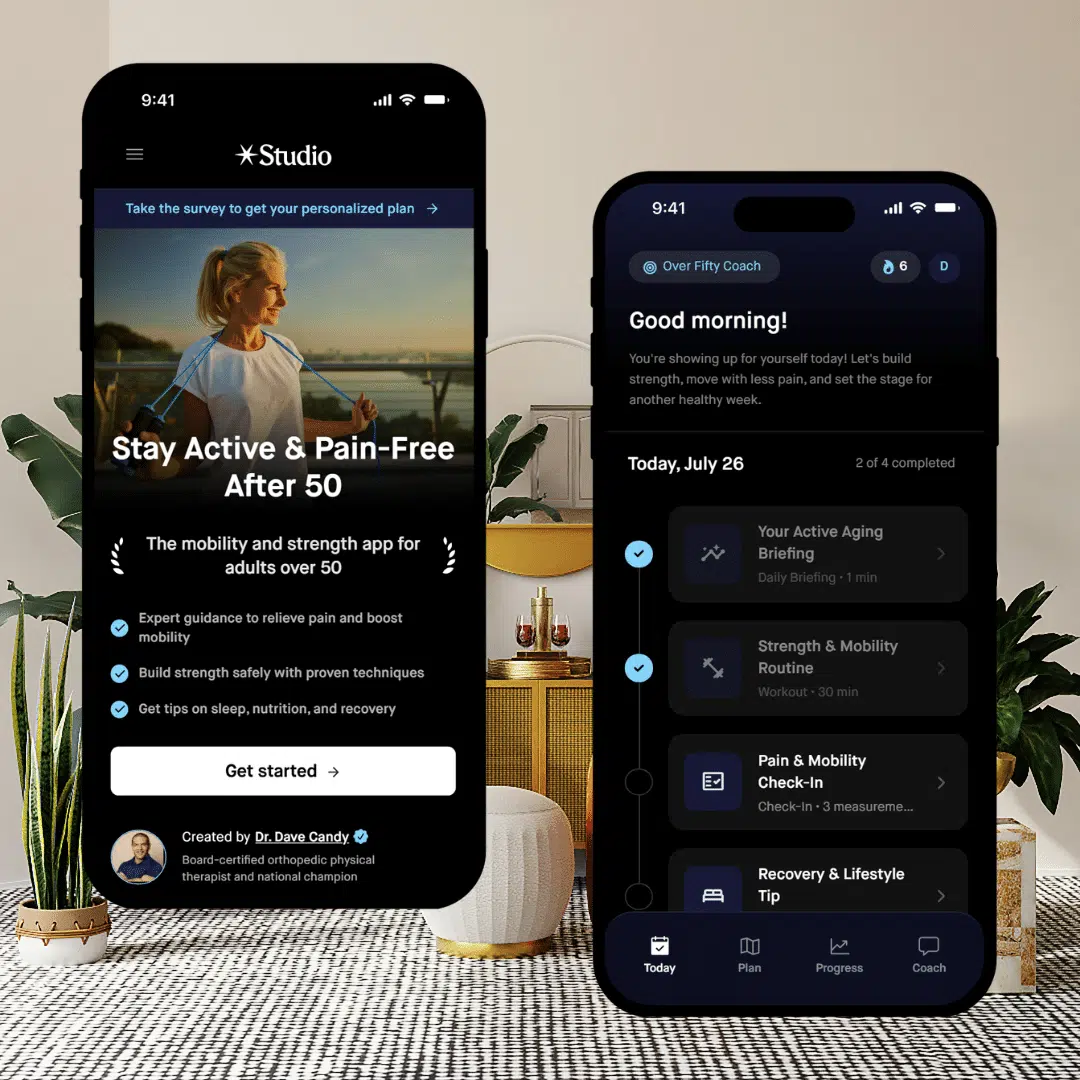
Need Help To Stay Strong and Mobile After 50?
Affiliate Disclosure: This post contains affiliate links to Amazon and/or other sites. While I only recommend products that I trust, as an Amazon Associate, I earn commission from qualifying purchases at no extra cost to you.
Medical Disclaimer: The content on this site is for educational and informational purposes only and is not intended as medical advice. Always consult with a qualified healthcare professional before beginning any new exercise program, diet, or supplement regimen, especially if you have pre-existing health conditions.