
Understanding Biceps Tendonitis
Biceps tendonitis is primarily an injury related to the shoulder, often affecting the long head of the biceps tendon. This injury can hinder your ability to enjoy daily activities due to pain and discomfort.
Causes of Biceps Tendonitis
Commonly, biceps tendonitis arises from repetitive overhead movements, particularly in athletes involved in throwing sports such as baseball or tennis. This type of injury can also occur in individuals who frequently lift weights overhead.
Signs and Symptoms
The symptoms of biceps tendonitis typically manifest as shoulder pain, especially when performing overhead motions. You may also experience a popping sensation during arm movement, indicating potential irritation or injury in the shoulder region.
Effective Treatment Strategies
When it comes to treating biceps tendonitis, it is essential to understand that relief does not come from performing bicep curls or stretching the biceps muscle. Instead, the focus should be on stabilizing the shoulder joint and improving biomechanics.
Strengthening the Rotator Cuff
Strengthening the rotator cuff muscles is crucial in managing biceps tendonitis. These muscles help keep the ball of the shoulder joint centered, reducing the risk of impingement. Incorporating exercises that promote stability while raising your arm overhead is key.
Recommended Exercises
Here are some exercises that can help manage biceps tendonitis:
1. Rotator Cuff Strengthening
Focus on exercises that engage the rotator cuff muscles. Resistance bands can be effective for this. Ensure your movements do not involve overhead lifting that exacerbates pain.
2. Arm Lifts in Neutral Position
When lifting, maintain a neutral thumb-up position. This reduces strain on the biceps tendon and minimizes the risk of further injury.
3. Avoid Palm-Up Lifts
Avoid lifting with your palms facing up, as this position can increase irritation on the biceps tendon. Instead, utilize a thumbs-up position to alleviate pressure.
Preventing Future Injuries
To prevent biceps tendonitis from recurring, consider these guidelines:
- Gradually increase the intensity of overhead activities.
- Incorporate regular strength training for shoulder stability.
- Utilize proper techniques when lifting weights overhead.
When to Seek Professional Help
If you experience persistent symptoms or worsening pain, it is crucial to consult a healthcare professional. They can provide a tailored treatment plan and recommend further interventions if necessary.
Conclusion
Managing biceps tendonitis effectively requires a comprehensive approach that focuses on shoulder stability and proper biomechanics. By incorporating these exercises and strategies, you can alleviate pain and return to the activities you love.
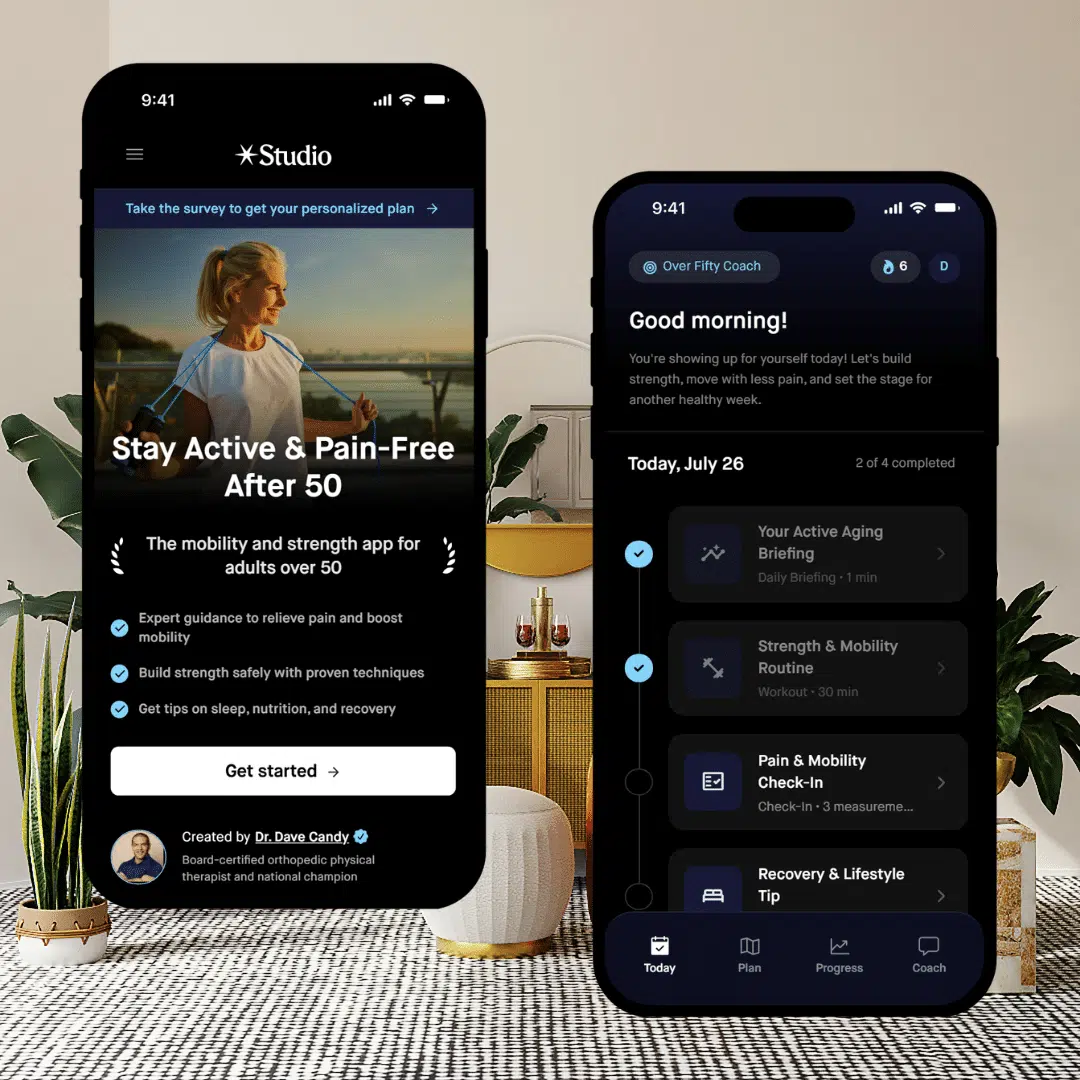
Need Help To Stay Strong and Mobile After 50?
Affiliate Disclosure: This post contains affiliate links to Amazon and/or other sites. While I only recommend products that I trust, as an Amazon Associate, I earn commission from qualifying purchases at no extra cost to you.
Medical Disclaimer: The content on this site is for educational and informational purposes only and is not intended as medical advice. Always consult with a qualified healthcare professional before beginning any new exercise program, diet, or supplement regimen, especially if you have pre-existing health conditions.