
Understanding Carpal Tunnel Syndrome
Carpal tunnel syndrome (CTS) affects the tendons and median nerve that run through the wrist. For many, it can be an annoyance, preventing restful sleep and hindering daily activities. Knowing the causes and treatment options for carpal tunnel syndrome is essential for managing symptoms effectively.
What Causes Carpal Tunnel Syndrome?
The carpal tunnel is a passageway in the wrist formed by carpal bones and the transverse carpal ligament. When the median nerve, which runs through this tunnel, becomes compressed due to swelling or repetitive movements, it leads to carpal tunnel syndrome. Common activities contributing to CTS include typing, playing musical instruments, or any repetitive hand movements.
Conservative Treatment Options
Before considering surgical solutions, various conservative treatment options can alleviate symptoms of carpal tunnel syndrome. These include:
1. Medications
Non-steroidal anti-inflammatory drugs (NSAIDs) and corticosteroids are common medications used to reduce inflammation. However, they may not address the underlying issues caused by repetitive strain or improper hand positioning.
2. Bracing
Wearing a wrist brace, especially at night, can keep the wrist in a neutral position. This helps reduce pressure on the median nerve during sleep. Look for braces that are firm yet comfortable, with adjustable straps to ensure a secure fit.
3. Physical Therapy
A physical therapist can provide tailored exercises and hands-on treatments to improve mobility in the wrist and surrounding muscles. Physical therapy focuses on identifying contributing factors and addressing them through specific therapies.
Exercises for Carpal Tunnel Syndrome
Incorporating specific exercises can enhance recovery and relieve symptoms of carpal tunnel syndrome. Here are a few effective movements:
1. Wrist Flexor Stretch
To perform this stretch, extend your arm in front of you with your palm facing upwards. Use your other hand to gently pull back your fingers to stretch the wrist flexors without stressing the median nerve.
2. Nerve Gliding Exercises
These exercises help keep the median nerve mobile. Start by extending your arm out to the side with your palm facing up. Gradually move your wrist and fingers while keeping the elbow straight. This will help alleviate tension and improve blood flow to the area.
3. Table Stretch
Place your palm down on a flat surface and lean into your hand, using your other hand for support. This movement helps mobilize the carpal bones while avoiding excessive tension on the fingers.
Preventing Carpal Tunnel Syndrome
To prevent carpal tunnel syndrome from recurring, consider the following strategies:
1. Ergonomic Adjustments
Adjust your workspace to promote a neutral wrist position. An ergonomic keyboard and properly positioned chair can significantly reduce the risk of developing CTS.
2. Regular Breaks
Take frequent breaks during repetitive tasks to stretch and relax your hands and wrists. This helps to reduce strain and allows the muscles to recover.
3. Neck Health
Ensure that neck issues are not contributing to your symptoms. Sometimes, neck problems can radiate pain into the hands, mimicking carpal tunnel syndrome. Exercises to improve neck mobility can be beneficial.
Conclusion: Taking the Next Step
If you are experiencing symptoms of carpal tunnel syndrome, consider implementing these treatment options and exercises. If symptoms persist, consult with a healthcare professional or physical therapist for personalized advice and treatment plans. Taking proactive steps can help you regain comfort and functionality in your daily life.
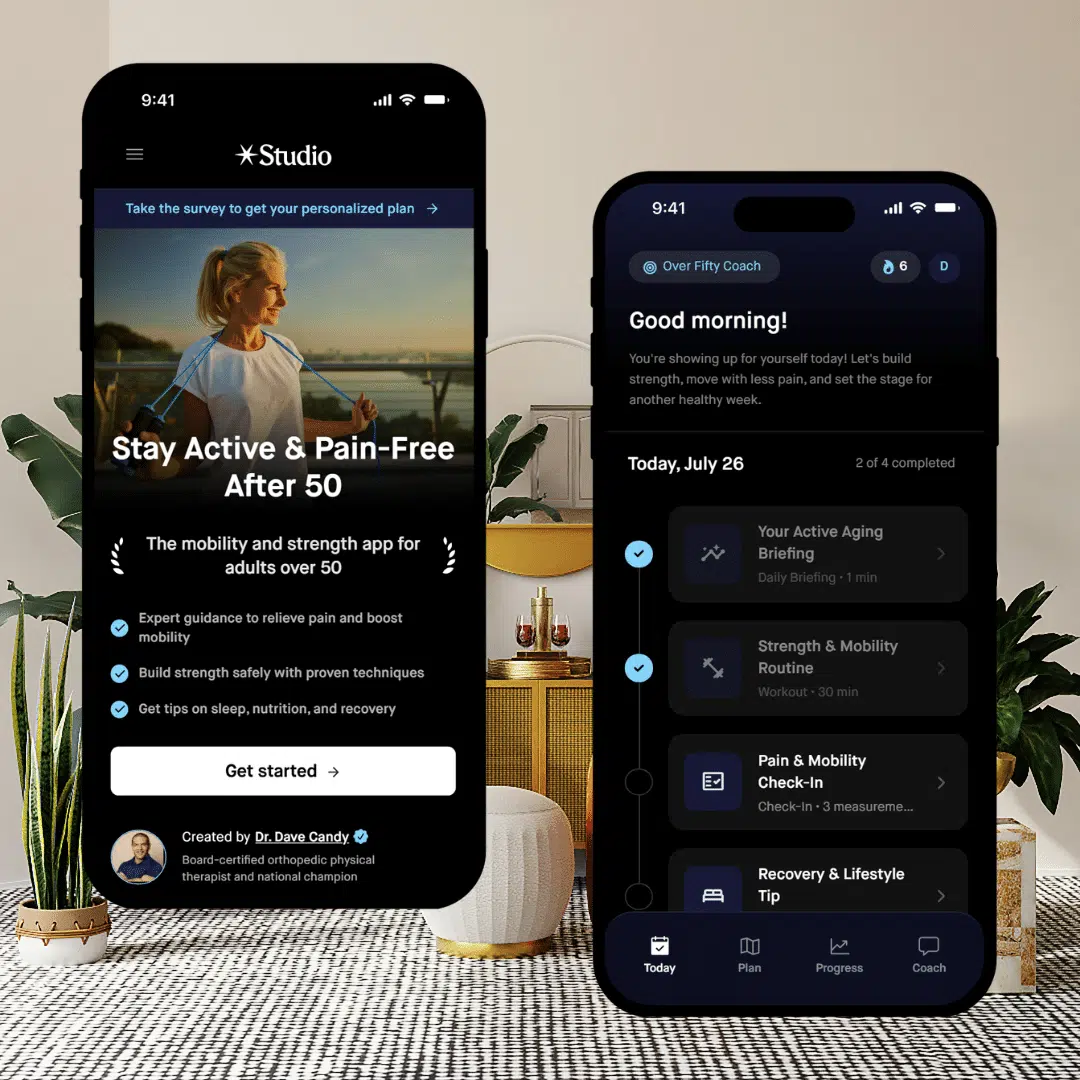
Need Help To Stay Strong and Mobile After 50?
Affiliate Disclosure: This post contains affiliate links to Amazon and/or other sites. While I only recommend products that I trust, as an Amazon Associate, I earn commission from qualifying purchases at no extra cost to you.
Medical Disclaimer: The content on this site is for educational and informational purposes only and is not intended as medical advice. Always consult with a qualified healthcare professional before beginning any new exercise program, diet, or supplement regimen, especially if you have pre-existing health conditions.