
Introduction to Powerlifting at 42
Entering a powerlifting competition at the age of 42 was a significant decision for me, especially after a 25-year hiatus. Training for powerlifting at this age is very different from training in your teens. This post shares the top seven lessons I learned during this journey. These insights can help anyone looking to get stronger, regardless of age.
Lesson 1: Train for Your Goal
One of the first lessons I learned was that training needs to align with your specific goals. Throughout my adult life, I focused on bodybuilding, which emphasizes hypertrophy. However, leading up to the competition, I had to shift my training to focus on strength. Strength is a skill, and it requires practicing specific movements: squat, bench press, and deadlift.
Adjusting Your Repetitions
To build strength, my training shifted to heavier weights with fewer repetitions. Instead of the standard six to eight reps, I focused on sets of two to five reps. This approach helped me gain strength effectively, proving that you can lift heavier weights as you pursue your goals.
Lesson 2: Optimize Your Squat Technique
Squats have always been one of my strengths. However, I found that switching from a high bar squat to a low bar squat significantly improved my performance. This change alone increased my squat from 515 lb to 555 lb in training.
Understanding Bar Positioning
In a high bar squat, the bar rests on the upper trapezius, keeping your torso vertical. In contrast, a low bar squat positions the bar on the posterior deltoids and requires a slightly forward lean. This adjustment allows for greater weight use while still engaging the quadriceps, glutes, and lower back effectively.
Lesson 3: Master the Bench Press
My bench press technique also needed refinement. I learned that leg drive plays a crucial role. Many lifters overlook their legs, but they are vital for stabilization and power during the lift.
Improving Stability
I discovered that using weight plates or lifting blocks under my feet helped me push down into the ground, resulting in more stability and control. This allows for better use of the upper body while maintaining a solid base.
Lesson 4: Incorporate Paused Reps
Another valuable lesson was the importance of paused reps. In competition, lifters must hold the weight at chest level before pressing it. Practicing this technique in training builds strength and control.
Benefits of Pauses
Paused reps challenge your muscles and improve your overall performance, not just in bench press but in other exercises as well. For example, incorporating pauses in pull-ups can enhance strength in that movement.
Lesson 5: Focus on Deadlift Setup
During my training, I realized that proper deadlift setup is crucial. The positioning of the belt can significantly impact performance. I learned to wear my belt higher and looser to allow for better hinging and bracing.
Establishing a Solid Grip
When setting up for a deadlift, gripping the bar correctly is essential. A mixed grip can be advantageous, but I also learned to focus on actively crushing the bar instead of just hanging on. This technique enhances grip strength and stability.
Lesson 6: Managing Central Nervous System Fatigue
Training with heavy weights is taxing on the central nervous system. I experienced increased fatigue and hunger during my training cycle, making it evident that recovery is vital.
Incorporating Recovery Periods
Taking the last week off before the competition allowed my body to recover fully. It’s essential to balance heavy lifting with lighter cycles to avoid overtraining and ensure optimal performance.
Lesson 7: Create a Balanced Training Plan
After my experience, I recommend incorporating various training cycles. Mixing heavier weights for lower reps with moderate and lighter weights can maximize strength gains while minimizing fatigue.
Conclusion: Next Steps for Strength Training
Powerlifting at 42 taught me valuable lessons about strength training, technique, and recovery. Regardless of your age, you can still pursue strength and improve your performance. If you’re looking for a personalized plan, consider tracking your progress and setting realistic goals to guide your journey.
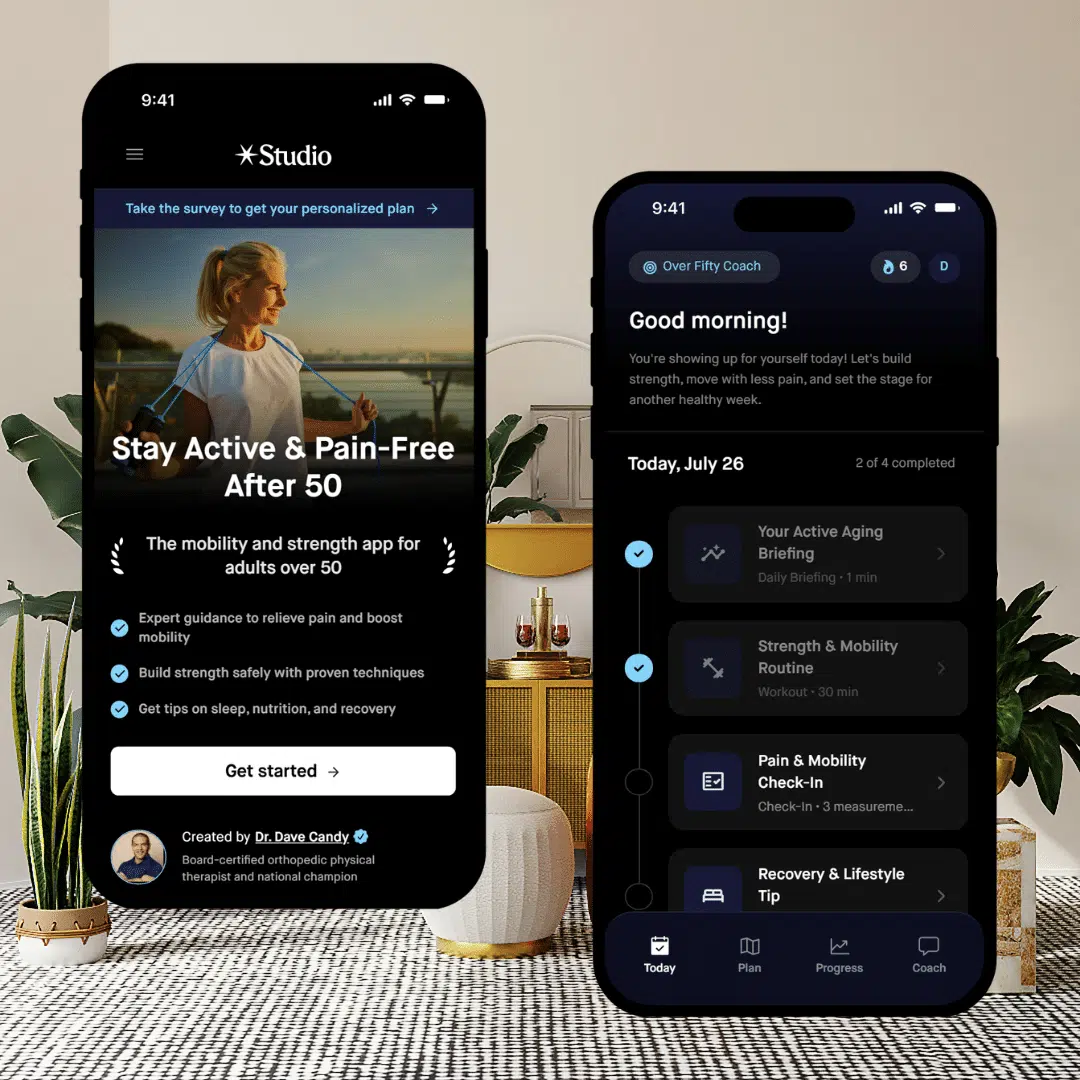
Need Help To Stay Strong and Mobile After 50?
Affiliate Disclosure: This post contains affiliate links to Amazon and/or other sites. While I only recommend products that I trust, as an Amazon Associate, I earn commission from qualifying purchases at no extra cost to you.
Medical Disclaimer: The content on this site is for educational and informational purposes only and is not intended as medical advice. Always consult with a qualified healthcare professional before beginning any new exercise program, diet, or supplement regimen, especially if you have pre-existing health conditions.