
Are Soft Tissue Mobilization and Massage the Same?
Soft tissue mobilization and massage therapy are often mistakenly thought to be the same. However, while they share similarities, understanding their differences can help you choose the best option for your needs. Both techniques involve moving or manipulating soft tissues, particularly muscles, to achieve clinical effects. In this article, we’ll explore these two therapies, their unique applications, and how to determine which is best for you.
Similarities Between Soft Tissue Mobilization and Massage
At their core, both soft tissue mobilization and massage therapy aim to promote healing and improve mobility. They involve skilled techniques performed by licensed practitioners. While the techniques may look similar, the intent and focus of each can differ significantly.
Understanding Soft Tissue Mobilization
Soft tissue mobilization is a more targeted approach, typically performed by physical therapists or chiropractors. This technique is designed to address specific movement limitations or pain in certain areas of the body. For instance, if you are unable to bend your knee fully or raise your arm over your head, soft tissue mobilization can help alleviate these restrictions.
The Role of Massage Therapy
On the other hand, massage therapy is a broader term that encompasses various techniques aimed at improving overall well-being. Massage therapists may employ different styles, such as Swedish or deep tissue massage, which focus on relaxing muscles and enhancing overall mobility rather than targeting specific issues.
Key Differences
The primary difference between soft tissue mobilization and massage therapy lies in their application. Soft tissue mobilization is often used for specific injuries or conditions, such as:
- Restricted movement in joints
- Trigger points or muscle knots
- Tendinopathies, such as tennis elbow or Achilles tendinitis
- Scar tissue following surgery
Massage therapy, however, is generally used for relaxation and overall health improvement. It does not typically focus on specific tissues or problems, making it ideal for maintaining wellness rather than addressing acute issues.
Choosing the Right Therapy for You
When it comes to deciding between soft tissue mobilization and massage therapy, consider your specific needs. If you’re experiencing pain or limited mobility in a particular area, soft tissue mobilization may be your best option. A physical therapist can assess your condition and determine the best course of action.
When to Choose Soft Tissue Mobilization
Some scenarios where soft tissue mobilization is particularly beneficial include:
- If you have specific pain that limits your movement, such as neck pain or shoulder tightness.
- Post-surgical rehabilitation, where scar tissue may be restricting movement.
- Chronic conditions such as tendinitis that require targeted treatment.
When to Opt for Massage Therapy
Conversely, massage therapy may be more suitable if you are looking for relaxation or stress relief. Consider it if:
- You want to reduce overall tension in your body.
- You are preparing for a sports event and need to enhance your performance.
- You simply want to enjoy a pampering experience.
Techniques Used in Soft Tissue Mobilization
Soft tissue mobilization techniques often include:
- Trigger point release to alleviate knots in muscles.
- Instrument-assisted techniques, like Graston or Gua Sha, to target specific tissues.
- Manual therapy aimed at improving joint mobility and reducing pain.
These techniques are designed to free up restrictions in the soft tissues, improve blood flow, and enhance nerve function in the affected areas.
Conclusion: Next Steps
In summary, while soft tissue mobilization and massage therapy may seem similar, they serve different purposes and are used in distinct contexts. If you are dealing with specific movement restrictions or pain, seek out a physical therapist who specializes in soft tissue mobilization. For general relaxation and wellness, a certified massage therapist may be the right choice. Understanding these differences will empower you to make informed decisions about your health and wellness journey.
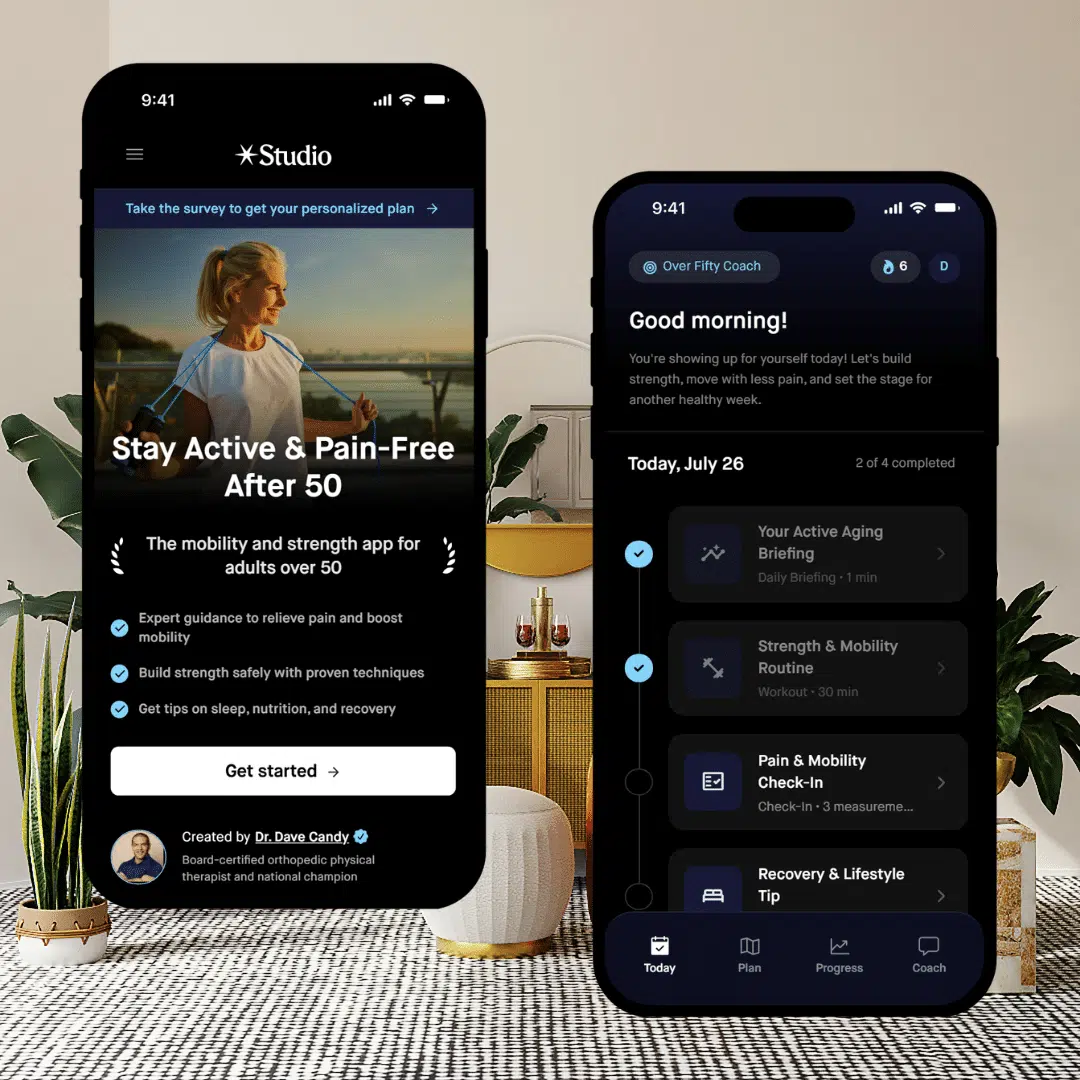
Need Help To Stay Strong and Mobile After 50?
Affiliate Disclosure: This post contains affiliate links to Amazon and/or other sites. While I only recommend products that I trust, as an Amazon Associate, I earn commission from qualifying purchases at no extra cost to you.
Medical Disclaimer: The content on this site is for educational and informational purposes only and is not intended as medical advice. Always consult with a qualified healthcare professional before beginning any new exercise program, diet, or supplement regimen, especially if you have pre-existing health conditions.