
Understanding Spinal Stenosis and Its Impact on Walking
Spinal stenosis often leads to walking problems, particularly in individuals with lumbar spinal stenosis. This condition can not only cause discomfort but also affect mobility and overall quality of life. In this post, we will explore effective strategies to walk more comfortably and safely if you have spinal stenosis.
What is Spinal Stenosis?
Spinal stenosis refers to the narrowing of the spinal canal, which can compress the spinal cord and nerves. There are two types: central canal stenosis, where the space for the spinal cord narrows, and lateral stenosis, affecting the openings where nerves exit the spine. Common causes include degenerative disc disease, bone spurs, and vertebral slippage.
Symptoms of Spinal Stenosis
The primary symptoms associated with spinal stenosis include:
- Back pain
- Leg weakness or numbness
- Fatigue when walking
- Tingling sensations in the legs
Understanding these symptoms is crucial for determining the appropriate interventions and adjustments to improve comfort while walking.
Walking Techniques for Comfort
Despite the discomfort, walking is beneficial for individuals with spinal stenosis. It’s essential to adopt techniques that alleviate pressure on the spine. Here are several strategies:
- Maintain a Neutral Spine: When walking, try to keep your back as straight as possible. Avoid excessive arching, which can exacerbate symptoms.
- Use Walking Aids: Utilizing a cane or walker can provide additional support and help maintain balance, especially if you experience weakness in one leg.
- Take Breaks: If you start to feel pain or fatigue, find a place to sit and rest. This can help relieve pressure on the nerves and facilitate a return to walking.
Adjusting Your Walking Posture
Posture plays a significant role in managing spinal stenosis symptoms. Here are tips for improving your walking posture:
Leaning Forward
When walking, leaning slightly forward can help open up the spaces in your back and relieve pressure on the spinal cord and nerves. This position can also prevent the vertebrae from slipping, a common issue in spinal stenosis.
Using a Cane Correctly
If you have lateral stenosis, it’s important to use the cane on the opposite side of your weak leg. This technique helps distribute weight more evenly and reduces the risk of falling.
Exercises to Improve Walking with Spinal Stenosis
In addition to walking techniques, specific exercises can help strengthen your back and improve your overall mobility:
- Core Strengthening: Strengthening your core muscles supports your spine and reduces strain. Engage in abdominal exercises that promote stability.
- Hip Flexor Stretches: Tight hip flexors can contribute to spinal issues. Regularly stretching these muscles can help maintain a neutral pelvis and spine.
- Back Flexion Exercises: Activities that promote flexion of the back, such as the child’s pose in yoga, can help alleviate pressure.
Consulting a Professional
If you’re struggling to manage your symptoms with self-care, consider reaching out to a physical therapist. A professional can provide tailored exercises and hands-on techniques to help alleviate discomfort and improve your walking ability.
Conclusion: Taking the Next Step
Walking with spinal stenosis may seem daunting, but with the right techniques and exercises, you can improve your comfort and mobility. Remember to listen to your body, take breaks as needed, and seek professional help if necessary. By actively managing your condition, you can continue to enjoy walking and enhance your quality of life.
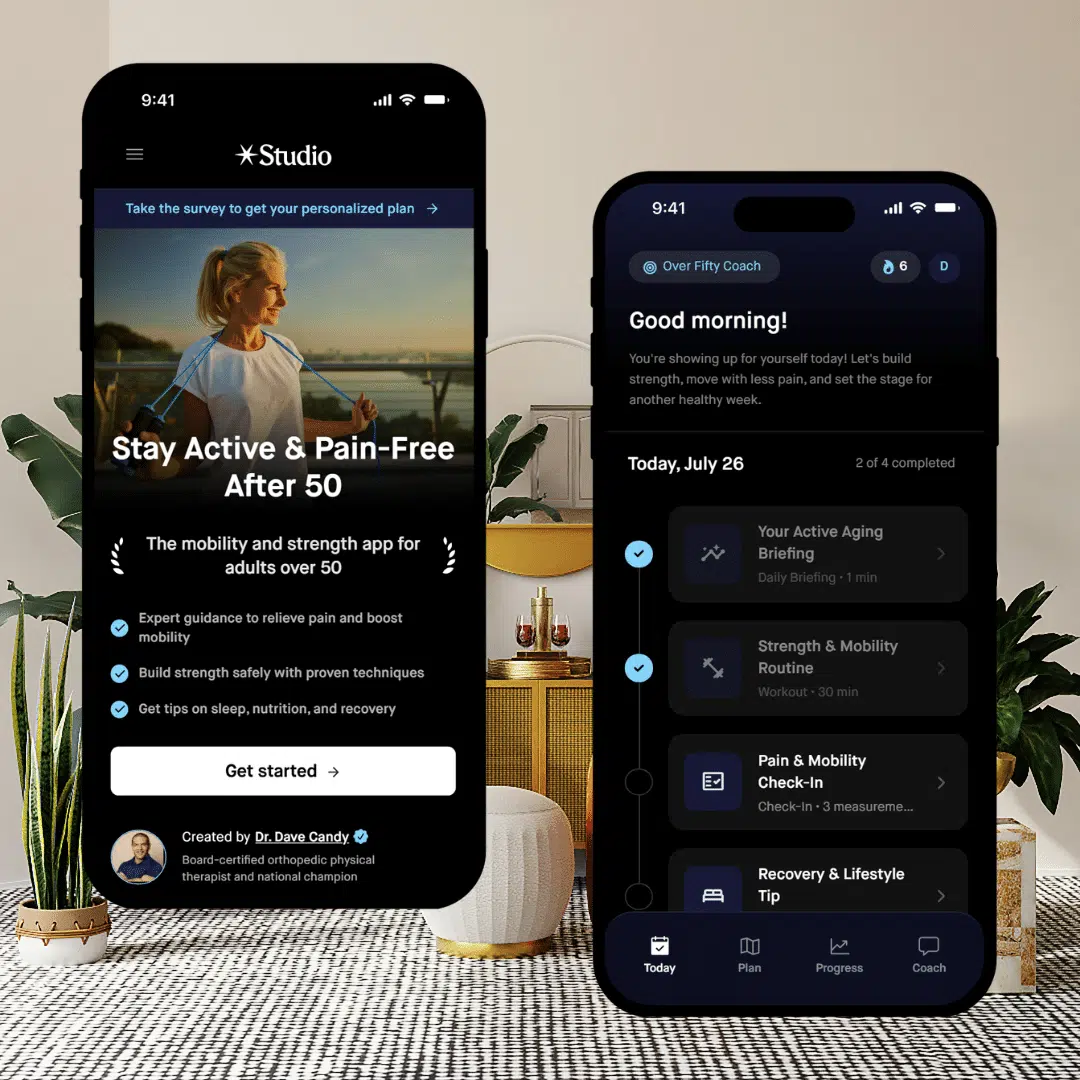
Need Help To Stay Strong and Mobile After 50?
Affiliate Disclosure: This post contains affiliate links to Amazon and/or other sites. While I only recommend products that I trust, as an Amazon Associate, I earn commission from qualifying purchases at no extra cost to you.
Medical Disclaimer: The content on this site is for educational and informational purposes only and is not intended as medical advice. Always consult with a qualified healthcare professional before beginning any new exercise program, diet, or supplement regimen, especially if you have pre-existing health conditions.