
Understanding Degenerative Disc Disease
Degenerative disc disease can sound alarming, leading many to fear paralysis. However, it is essential to understand that while it is theoretically possible, the likelihood of becoming paralyzed from degenerative disc disease is extremely low. In over 15 years of practice, I have never encountered a case where paralysis resulted solely from this condition.
What is Degenerative Disc Disease?
Degenerative disc disease occurs when the intervertebral discs in the spine lose hydration and height. This degeneration can lead to narrower spaces where the nerves exit the spine, potentially placing pressure on these nerves. Symptoms can manifest as weakness or heaviness in the arms or legs, causing concerns about paralysis.
Symptoms to Watch For
If you experience symptoms such as:
- Tingling or weakness in the arms or legs
- Pain radiating down the arms or legs
- Fatigue or heaviness in limbs during activity
it’s crucial to consult a medical professional. While degenerative disc disease rarely leads to paralysis, persistent weakness should be evaluated.
Preventing the Progression of Degenerative Disc Disease
To mitigate the effects of degenerative disc disease, certain actions can be taken to prevent worsening symptoms:
Posture and Movement
Maintaining proper posture is vital. When bending or moving, try to:
- Keep your head aligned over your shoulders
- Avoid excessive arching of your neck or back
Doing chin tucks can help in maintaining spinal alignment. This position helps open up the nerve roots, relieving pressure.
Leaning and Resting Techniques
If you have symptoms in your legs, especially when standing or walking, leaning slightly forward can alleviate discomfort. Consider using:
- A grocery cart for support while shopping
- A cane or walker during longer walks
These techniques can help offload the lower back and open up spaces for nerve exit, reducing fatigue and weakness in the legs.
Seating and Slouching: A Surprising Relief
While good posture is often emphasized, when dealing with degenerative disc disease, a slight slouch can be beneficial. Instead of sitting rigidly, allow yourself to relax into your chair. This position can help relieve pressure on the nerves and provide comfort.
Seeking Professional Help
If you notice significant weakness or persistent symptoms, it’s advisable to seek medical attention. A physical therapist can conduct an assessment and provide tailored treatment options. Hands-on techniques, such as gentle mobilizations or muscle loosening, can help relieve pressure on the affected nerves.
Final Thoughts
Degenerative disc disease is a manageable condition, and paralysis is an unlikely outcome. Taking proactive measures, whether through posture correction, movement strategies, or professional assistance, can dramatically improve your quality of life. Remember, if you have persistent symptoms, do not hesitate to reach out to a healthcare provider.
Consulting a physical therapist can empower you with the knowledge and tools to manage your condition effectively and prevent it from worsening.
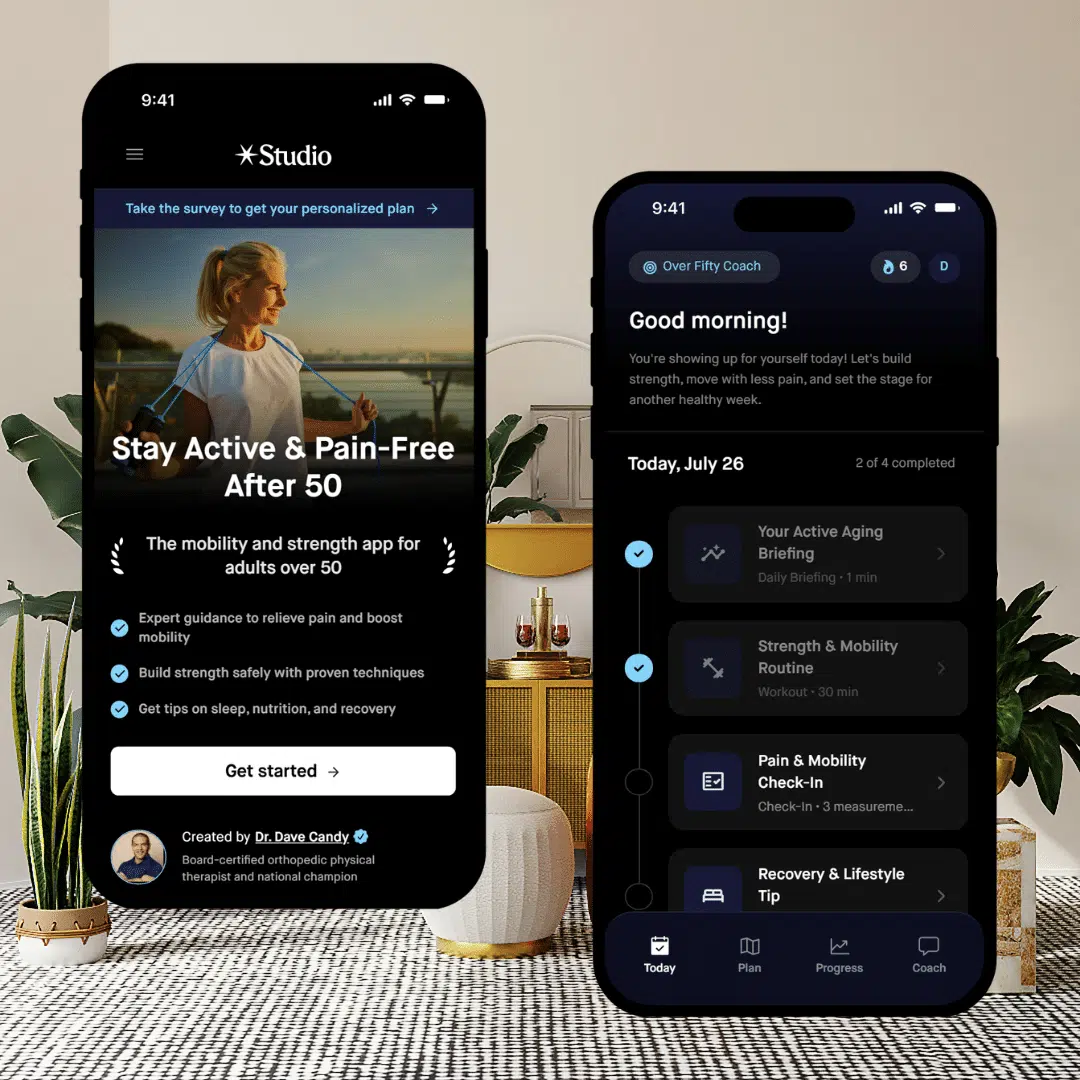
Need Help To Stay Strong and Mobile After 50?
Affiliate Disclosure: This post contains affiliate links to Amazon and/or other sites. While I only recommend products that I trust, as an Amazon Associate, I earn commission from qualifying purchases at no extra cost to you.
Medical Disclaimer: The content on this site is for educational and informational purposes only and is not intended as medical advice. Always consult with a qualified healthcare professional before beginning any new exercise program, diet, or supplement regimen, especially if you have pre-existing health conditions.