
Understanding Achilles Tendon Injuries
An achilles tendon injury can be a frustrating and painful experience. The achilles tendon is crucial for activities such as walking, running, and jumping. It can suffer from various issues, the most common being achilles tendinopathy. This condition typically arises from overuse and poor biomechanics rather than acute injuries.
What is Achilles Tendinopathy?
Achilles tendinopathy is a gradual overuse injury that can develop without immediate symptoms. Unlike achilles tendonitis, this condition does not involve inflammation but rather disorganized tendon fibers that fail to heal properly. Factors like improper footwear, rapid increase in activity levels, and repetitive movements contribute to the development of this condition.
Self-Treatment for Achilles Tendon Injuries
Fortunately, there are several self-treatment options available for managing achilles tendinopathy. These strategies focus on rehabilitation through exercise, stretching, and self-care techniques.
1. Engage in Aerobic Exercises
Aerobic exercise is beneficial for enhancing blood flow and promoting healing in the achilles tendon. Activities such as walking, swimming, or cycling can be effective. If running exacerbates your condition, consider low-impact alternatives that maintain cardiovascular health while being gentle on your tendon.
2. Perform Eccentric Heel Raises
One of the best exercises for treating achilles tendinopathy is the eccentric heel raise. This exercise focuses on strengthening the calf muscles and improving tendon function. Start by standing on both feet, then raise your heels together and slowly lower your body using the affected leg. Remember to perform this exercise both with straight and bent knees to engage different muscle groups effectively.
3. Incorporate Stretching
While the achilles tendon may not be tight, the calf muscles often are. Gentle calf stretches can help alleviate stiffness. However, avoid overstretching the achilles tendon itself. Focus on loosening the calf muscles first before proceeding to deeper stretches.
4. Use Soft Tissue Mobilization Tools
Self-massage can significantly improve calf muscle function and reduce discomfort. Tools like massage sticks or foam rollers can be useful for this purpose. A rolling pin can also suffice if you lack specialized equipment. Gently roll over the calf muscles to find sore spots and alleviate tension.
5. Seek Professional Help if Necessary
If your symptoms persist or worsen, consider consulting a physical therapist. They can provide tailored guidance, assess your biomechanics, and help develop a personalized rehabilitation program.
Conclusion
Managing an achilles tendon injury, particularly achilles tendinopathy, involves a combination of aerobic exercises, targeted strength training, and self-care techniques. By following these self-treatment strategies, you can effectively reduce pain and support your recovery. If the pain continues, don’t hesitate to reach out to a healthcare professional for further assistance.
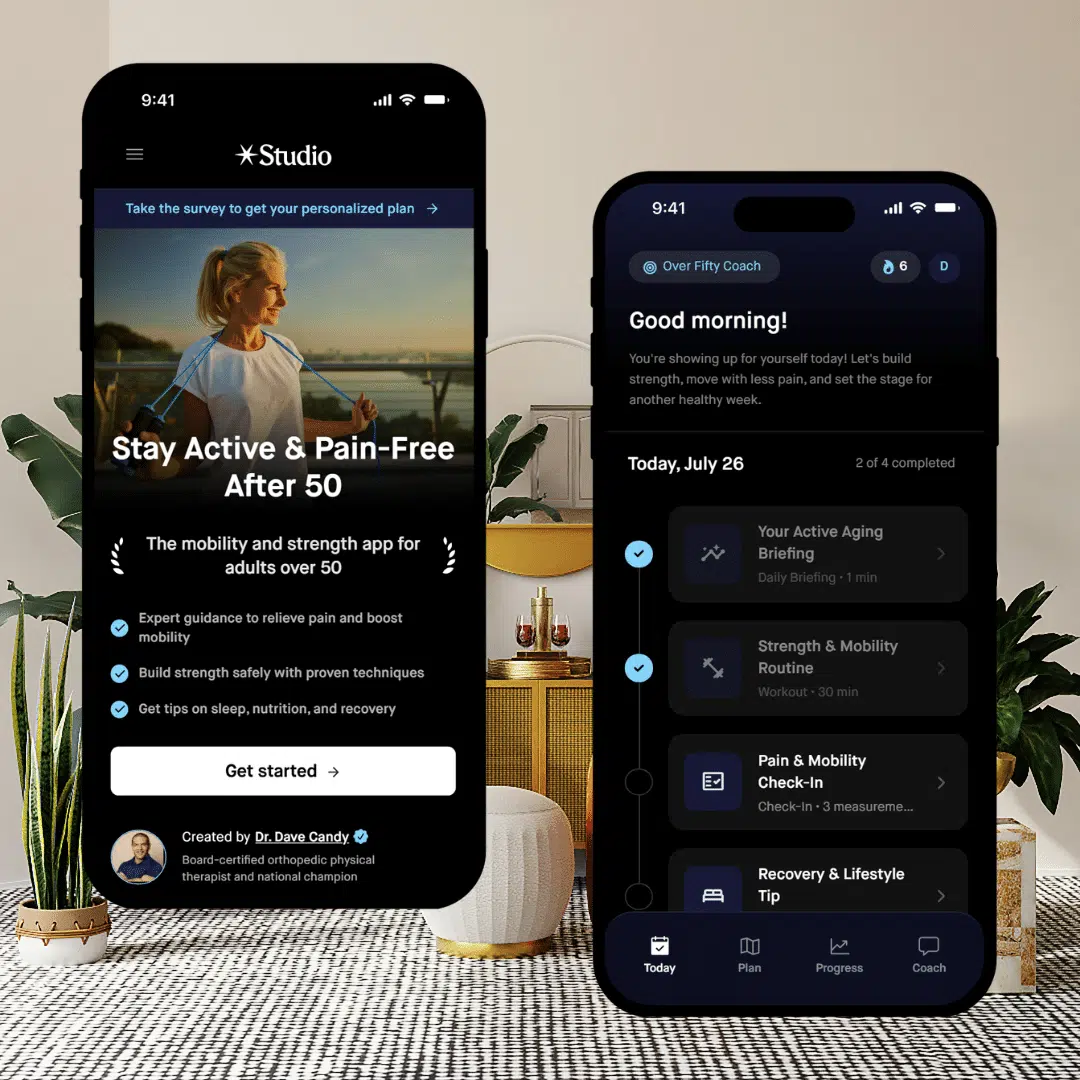
Need Help To Stay Strong and Mobile After 50?
Affiliate Disclosure: This post contains affiliate links to Amazon and/or other sites. While I only recommend products that I trust, as an Amazon Associate, I earn commission from qualifying purchases at no extra cost to you.
Medical Disclaimer: The content on this site is for educational and informational purposes only and is not intended as medical advice. Always consult with a qualified healthcare professional before beginning any new exercise program, diet, or supplement regimen, especially if you have pre-existing health conditions.