
Understanding Red Light Therapy
Red light therapy has gained popularity as a potential treatment for various pains and skin conditions. This technique, involving the use of specific wavelengths of light, is believed to promote healing and reduce inflammation. In this post, we will explore how red light therapy works, particularly through the Flicky’s SpectraPanel Elite 156, and whether it can effectively address your pain.
How Does Red Light Therapy Work?
Red light therapy operates by stimulating an enzyme known as cytochrome c oxidase. This enzyme plays a critical role in the final step of the electron transport chain, converting glucose into energy. By activating cytochrome c oxidase, red light therapy enhances tissue metabolism and can aid in healing.
Moreover, this treatment releases nitric oxide, a powerful vasodilator that increases blood flow to tissues, thereby promoting healing. The therapy is also associated with anti-inflammatory properties, reducing pro-inflammatory cytokines while increasing anti-inflammatory ones.
Types of Light Used in Therapy
Red light and near-infrared light are the two primary wavelengths used in therapy. Red light ranges from 600 to 750 nanometers and is visible, while near-infrared light ranges from 750 to 1400 nanometers and is not visible. The difference lies in their penetration depth; near-infrared light can penetrate up to 50 mm, making it suitable for treating deeper tissues.
Recommended Dosage for Effective Treatment
Determining the right dosage of red light therapy is crucial for effective treatment. For deep tissue treatment, a dosage between 6 to 10 joules is required, while skin treatments may only need 5 to 10 joules. Prolonged exposure beyond a specific threshold may decrease the effectiveness of the therapy.
For example, when treating deep tissues like the lower back, sessions may last from 10 to 18 minutes at a distance of about 45 cm from the light source. Conversely, skin treatments may only require 2 to 3 minutes. It’s essential to adhere to the guidelines provided by the device’s user manual for optimal results.
Safety Considerations and Best Practices
When using red light therapy, safety is paramount. It’s advised to avoid looking directly at the light, particularly with blue light, which has antibacterial properties and is effective for acne treatment. Protective eyewear should be worn to shield your eyes from high-energy blue light.
Additionally, using blue light exposure at night is generally discouraged as it can disrupt sleep patterns. Instead, consider using it in the morning to stimulate your nervous system.
Alternatives to Red Light Therapy Panels
If red light panels are not your preference, several alternatives exist. Wearable devices can target specific areas but may cover a limited space. Another option is sleep bags designed for red light therapy, which can treat larger areas but may require you to lie down, which some may find inconvenient.
Red light panels like the Spectra Panel Elite 156 have unique advantages, including a variety of wavelengths that provide a broader therapeutic effect. This flexibility allows for treating various conditions without being limited to a single wavelength.
Conclusion: Is Red Light Therapy Right for You?
Red light therapy, particularly through devices like the Flicky’s SpectraPanel Elite 156, shows promise in managing pain and promoting healing. By understanding how it works and following best practices, you can harness its benefits effectively. If you’re considering incorporating red light therapy into your routine, consult with a healthcare professional to ensure it’s suitable for your individual needs.
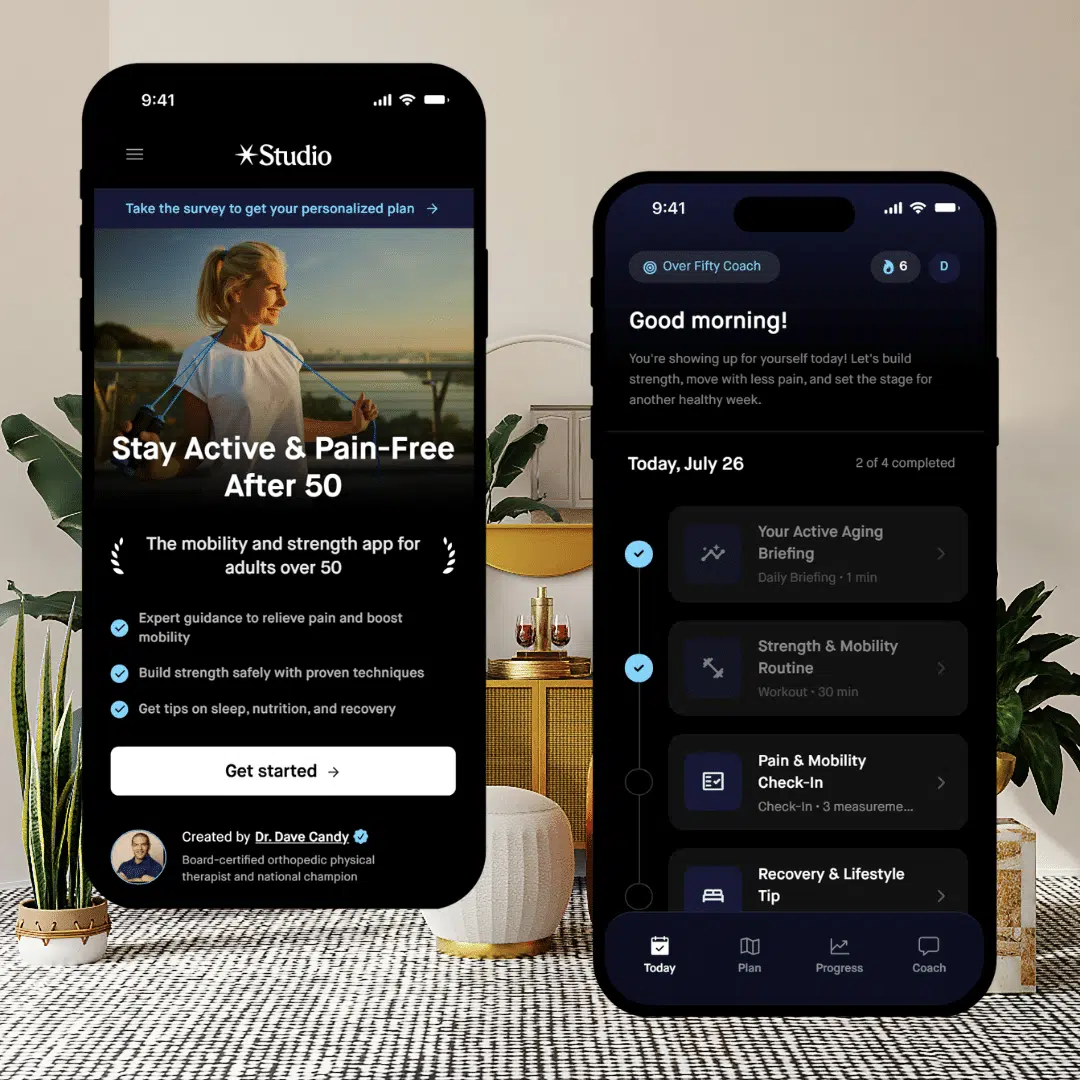
Need Help To Stay Strong and Mobile After 50?
Affiliate Disclosure: This post contains affiliate links to Amazon and/or other sites. While I only recommend products that I trust, as an Amazon Associate, I earn commission from qualifying purchases at no extra cost to you.
Medical Disclaimer: The content on this site is for educational and informational purposes only and is not intended as medical advice. Always consult with a qualified healthcare professional before beginning any new exercise program, diet, or supplement regimen, especially if you have pre-existing health conditions.