
Introduction
If you experience back pain or sciatica that worsens the longer you stand, you may find relief through spinal decompression. While visiting a chiropractor can be effective, there are several simple and free methods to decompress your spine at home. In this post, we’ll explore seven effective ways to achieve spinal decompression without needing professional assistance.
Who Can Benefit from Spinal Decompression?
Spinal decompression can benefit anyone experiencing back problems that intensify with prolonged standing. Throughout the day, gravity exerts pressure on your spine, joints, and nerves, leading to discomfort. Fortunately, there are easy methods to alleviate this pressure and promote spinal health.
1. Lie Down for Immediate Relief
One of the simplest ways to decompress your spine is by lying down. When you assume a horizontal position, gravity’s compressive force is significantly reduced. To maximize this effect, try the hook lying position, where your hips and knees are at approximately 90 degrees. This posture relaxes your lower back muscles and allows your spine to flatten against the floor.
2. Legs Up the Wall
Another effective method involves lying on your back with your legs elevated against a wall. Ensure you are close to the wall, and allow your toes to point outward to relieve pressure on your sciatic nerve. This position enables gentle traction on your lower back. Hold this pose for about 3 to 5 minutes, concentrating on deep breathing to facilitate relaxation.
3. Use Your Bed for Decompression
For another variation, lie over the side of your bed with your legs hanging off the edge. Position your waist at the bed’s edge and let your lower body hang freely. This utilizes gravity to create a decompression force at the lower sections of your spine, particularly beneficial for those with common back issues.
4. Lean Back on a Stable Surface
Find a sturdy kitchen counter or a similar structure, grip it tightly, and lean back slightly. You can bend your knees for comfort or squat if that feels better. This method effectively decompresses your lower back while allowing you to control the intensity of the stretch.
5. Hang from a Door Frame
Using a door frame, grasp the top and let your body sag downwards. Keep your toes on the floor and bend your knees as needed. This technique allows gravity to work its magic and decompress your spine. Ensure the door is securely closed to avoid accidents.
6. Utilize a Pull-Up Bar
If you have access to a pull-up bar, hang from it to decompress your spine. For those who find a dead hang uncomfortable, try propping your feet on a chair or extending them forward. This position not only relieves pressure but also promotes better spinal alignment.
7. Consider an Inversion Table
If you wish to explore a more controlled decompression method, an inversion table can be beneficial. This device allows you to hang upside down or at a slight angle, effectively using gravity to relieve spinal compression. Start at a gentle angle and gradually increase as you become more comfortable.

Conclusion
The seven methods outlined above provide effective strategies for decompressing your lower back at home. These techniques are easy to perform, require minimal equipment, and can significantly alleviate discomfort. However, remember that these are temporary fixes, and it is essential to investigate the underlying causes of your back pain for long-term relief. For further assistance, consider consulting a healthcare professional or exploring resources like The Over 50 Sciatica Solution.
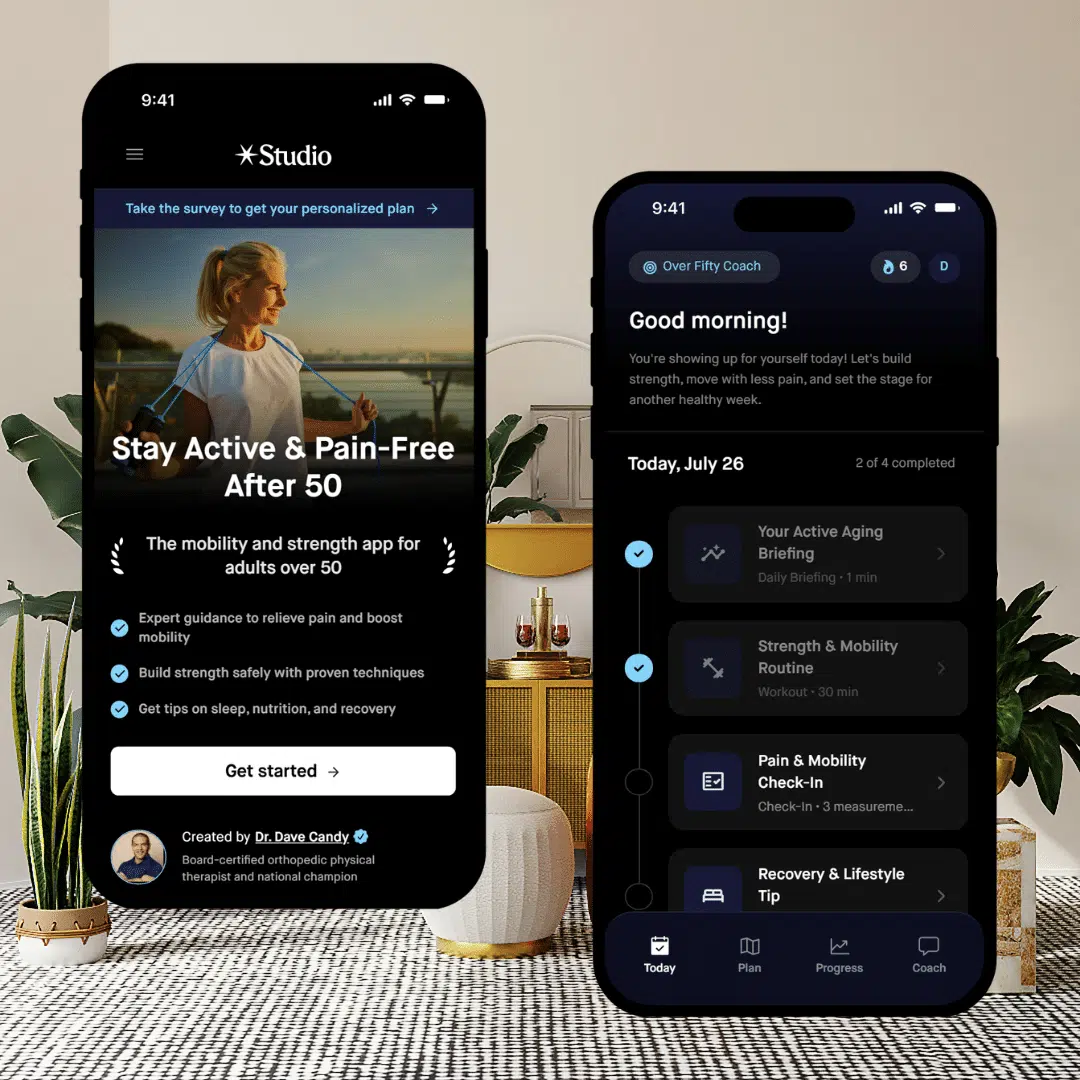
Need Help To Stay Strong and Mobile After 50?
Affiliate Disclosure: This post contains affiliate links to Amazon and/or other sites. While I only recommend products that I trust, as an Amazon Associate, I earn commission from qualifying purchases at no extra cost to you.
Medical Disclaimer: The content on this site is for educational and informational purposes only and is not intended as medical advice. Always consult with a qualified healthcare professional before beginning any new exercise program, diet, or supplement regimen, especially if you have pre-existing health conditions.