
Understanding Numbness and Tingling in One Leg
Numbness and tingling in one leg can be alarming and should not be ignored. This condition often indicates underlying issues that can range from nerve compression to vascular problems. In this post, we will explore the most common causes of numbness and tingling in one leg and provide simple, actionable solutions to help alleviate your symptoms.
Common Causes of Numbness and Tingling
When you experience numbness and tingling in just one leg, a pinched nerve in the lower back is often the culprit. Each nerve root in the lower back correlates to specific areas of the leg. For example:
- L1: Groin area
- L2: Just past the groin
- L3: End of the thigh
- L4: Outer thigh to inner knee and inner leg
- L5: Outer leg to the top of the foot
- S1: Outer leg, back of the calf, and outer foot
The location of your symptoms can provide valuable insights into which nerve root may be affected. However, it’s crucial to identify what is causing the nerve to be pinched.
Herniated Discs
In individuals aged 30 to 50, a common reason for a pinched nerve is a herniated disc. Symptoms may worsen with coughing, sneezing, or prolonged sitting and are usually relieved by standing or walking. While MRIs can diagnose herniated discs, they should be interpreted with caution, as symptoms may not always align with the MRI findings.
Spinal Stenosis
For individuals over 50, spinal stenosis, which involves the narrowing of the spinal canal or nerve root exit spaces, can also lead to a pinched nerve. Symptoms might present in one leg or both, depending on the type of stenosis. Bending backward often exacerbates symptoms, while bending toward the affected side may provide relief.
Effective Treatments for Numbness and Tingling
Understanding the cause of your symptoms helps in determining the appropriate treatment. Here are some effective solutions:
Exercises for Herniated Discs
If a herniated disc is causing your numbness and tingling, certain exercises can help:
- Performing press-ups or cobra stretches can relieve pressure on the affected nerve. If these exercises intensify your symptoms, they may not be suitable for you.
- Standing backward bends can also be beneficial, especially for those who sit for long periods. Aim to do these every hour to alleviate symptoms.
Posture and Sitting Position
Ensure your chair offers adequate lumbar support and adjust its height so your hips are slightly above your knees. If your chair lacks support, create your own by rolling a towel and placing it in the small of your back.
Exercises for Spinal Stenosis
If you find more relief when sitting, forward bending exercises can help open spaces where nerve roots exit the spine. Simple seated forward bends or squatting can alleviate symptoms quickly.
Addressing Sciatica and Piriformis Syndrome
Numbness and tingling may also arise from piriformis syndrome, where the sciatic nerve is compressed. Symptoms can worsen when sitting on hard surfaces. Stretching the piriformis can provide relief:
- Cross one leg over the other and gently press down on the knee of the crossed leg.
- Pull your knee toward the opposite shoulder to assess flexibility.
Nerve Compression at the Knee
Compression of the common fibular nerve behind the knee can also lead to symptoms. Gentle mobilization techniques can help:
- Using a rolled towel behind the knee while sitting back can relieve tension.
- Performing tibiofemoral mobilizations by pushing and pulling above and below the knee can help.
Conclusion: Next Steps
If you’re experiencing numbness and tingling in one leg, it’s essential to consult with a healthcare provider to rule out serious conditions like vascular issues. Implement the exercises and adjustments discussed to manage your symptoms effectively. Regular movement and maintaining proper posture can significantly improve your situation over time.
For more in-depth information, consider exploring resources like physical therapy guides or professional evaluations to tailor a treatment plan specific to your needs.
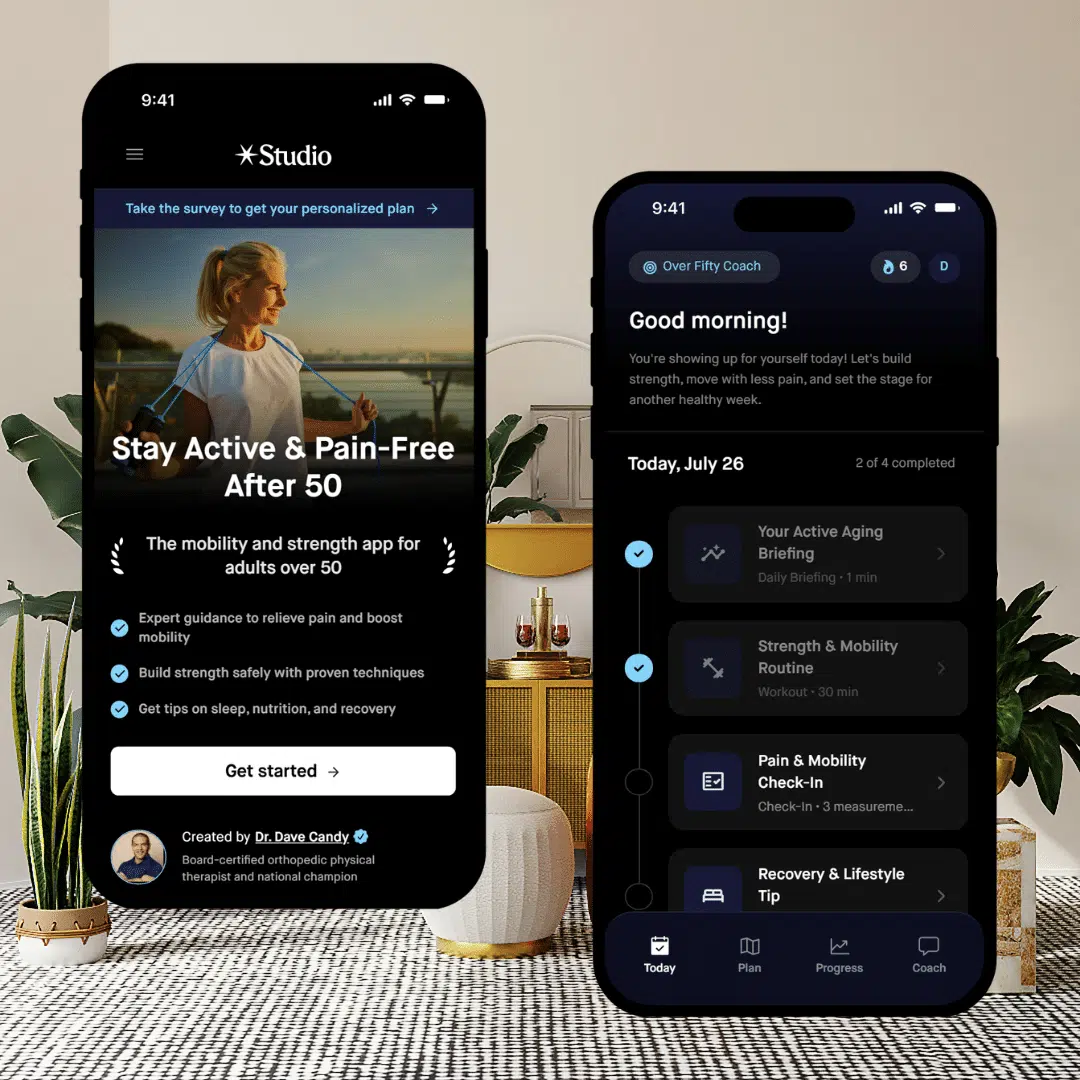
Need Help To Stay Strong and Mobile After 50?
Affiliate Disclosure: This post contains affiliate links to Amazon and/or other sites. While I only recommend products that I trust, as an Amazon Associate, I earn commission from qualifying purchases at no extra cost to you.
Medical Disclaimer: The content on this site is for educational and informational purposes only and is not intended as medical advice. Always consult with a qualified healthcare professional before beginning any new exercise program, diet, or supplement regimen, especially if you have pre-existing health conditions.