
Understanding Orthostatic Hypotension
Do you feel dizzy or lightheaded when you first stand up? This sensation, often referred to as orthostatic hypotension, occurs when there is a momentary drop in blood pressure, leading to decreased blood flow to the brain. This can result in a feeling of wooziness or unsteadiness until your heart circulates blood back to the brain. It is particularly common in older adults and can often be managed with a few simple changes.
What Causes Orthostatic Hypotension?
There are several factors that can contribute to orthostatic hypotension, including:
- Medication: Certain medications, especially those for blood pressure, can cause this condition. Common culprits include diuretics, beta blockers, and ACE inhibitors.
- Dehydration: Not consuming enough fluids can lead to low blood volume, which can cause blood pressure to drop.
- Deconditioning: A decrease in physical activity can lead to weakened muscles, which affects blood circulation.
Consult Your Pharmacist
If you suspect that your medications might be affecting your blood pressure, consider consulting your pharmacist. They can help identify any potential drug interactions or compounding effects that may contribute to orthostatic hypotension.
Three Simple Fixes for Orthostatic Hypotension
Here are three actionable tips to help manage dizziness when standing up:
1. Stay Hydrated
One of the simplest solutions is to increase your water intake. Staying hydrated is crucial, especially if you are more active or in hot weather. Adding electrolytes to your water can also help maintain blood pressure levels, especially if you sweat frequently.
2. Stand Up Gradually
When transitioning from sitting or lying down to standing, take your time. Rapid changes in position can cause blood to pool in your legs, leading to dizziness. Instead of jumping up quickly, try the following:
- Do some heel raises or ankle pumps while sitting to activate your calf muscles, which can help push blood back up through your veins.
- Consider performing a Valsalva maneuver by holding your breath for a few seconds before standing. This can temporarily increase blood pressure.
3. Regular Exercise
Engaging in regular physical activity can significantly improve your vascular health. Aim for at least 30 minutes of aerobic activity on five or more days per week. Additionally, incorporate strength training two to three times a week to help build muscle mass, which aids in blood circulation.
Conclusion: Take Action Against Dizziness
Feeling dizzy when you stand up can be a concerning experience, but by implementing these three simple fixes, you can help manage your symptoms effectively. Staying hydrated, transitioning to standing gradually, and maintaining a regular exercise routine can make a significant difference in your overall well-being. If symptoms persist, consult your healthcare provider for further evaluation and guidance.
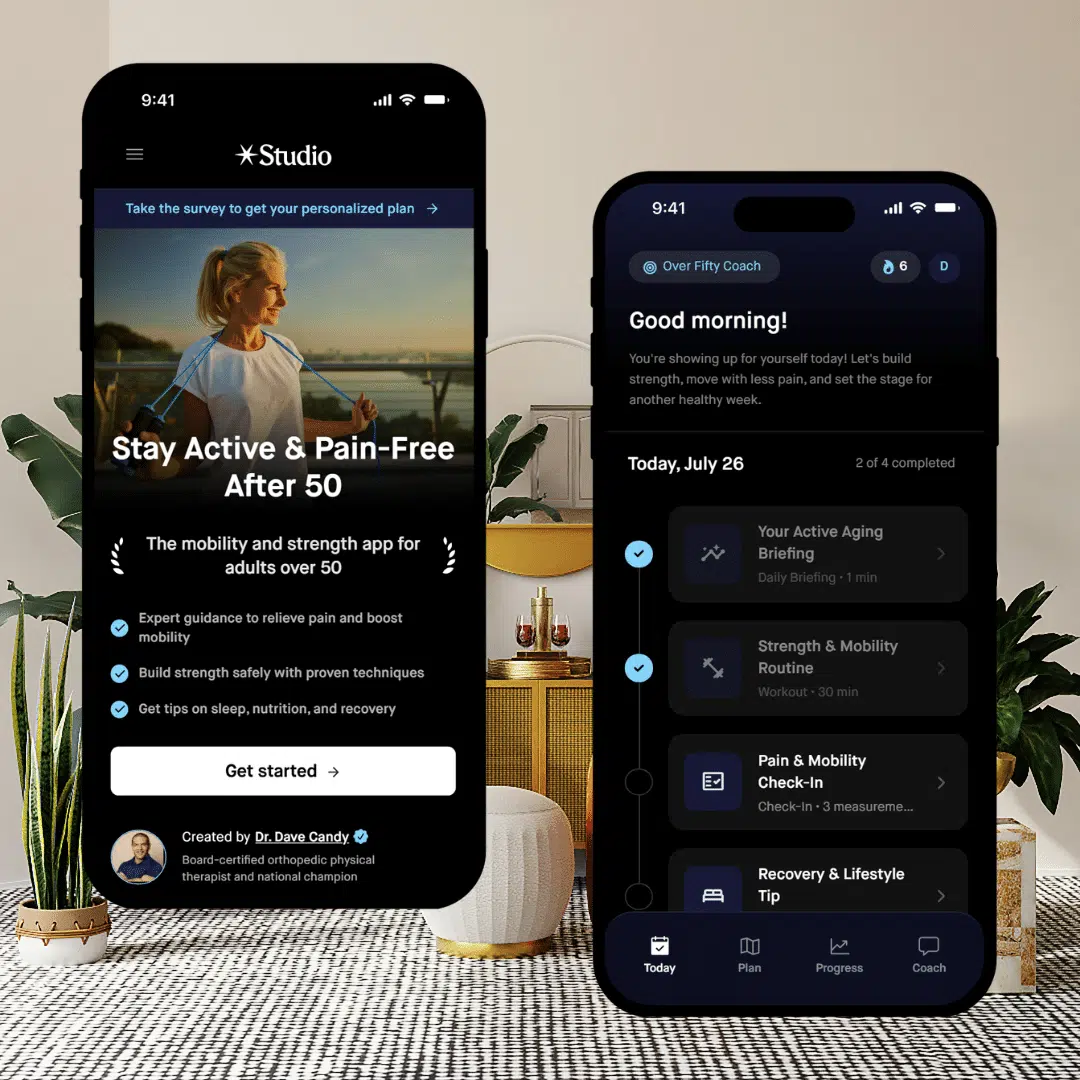
Need Help To Stay Strong and Mobile After 50?
Affiliate Disclosure: This post contains affiliate links to Amazon and/or other sites. While I only recommend products that I trust, as an Amazon Associate, I earn commission from qualifying purchases at no extra cost to you.
Medical Disclaimer: The content on this site is for educational and informational purposes only and is not intended as medical advice. Always consult with a qualified healthcare professional before beginning any new exercise program, diet, or supplement regimen, especially if you have pre-existing health conditions.