
Understanding Leg Extensions and Knee Health
Leg extensions are often labeled as detrimental to knee health, with many fitness professionals claiming they can lead to severe injuries like ACL tears and cartilage wear. However, this isn’t the whole truth. When performed correctly, leg extensions can be a beneficial part of your leg training routine, especially for strengthening the quadriceps.
The Controversy Surrounding Leg Extensions
Critics of leg extensions argue that these exercises are not functional. In everyday activities, we predominantly engage in closed-chain movements, such as squats and lunges, where our feet remain in contact with the ground. While it’s true that these exercises should form the core of your leg workout, leg extensions serve a unique purpose.
Isolating the Quadriceps
Leg extensions are one of the few exercises that allow for isolated quadricep training. This is particularly important for athletes or individuals recovering from injuries who need to strengthen their quadriceps without overloading other muscle groups.
Understanding the Risks
One major concern with leg extensions is the stress they place on the ACL and the compression force on the kneecap. While these concerns are valid, a healthy ACL can typically withstand the stress of leg extensions without issue. Problems arise primarily in individuals with existing knee injuries or those undergoing rehabilitation.
Kneecap Compression Forces
The compression force on the kneecap is influenced by both the force generated by the quadriceps and the position of the kneecap itself. When the knee is fully extended, only a small portion of the kneecap contacts the thigh bone, creating concentrated pressure. In contrast, bending the knee increases the contact area, distributing pressure more evenly.
How to Perform Leg Extensions Safely
To maximize the benefits of leg extensions while minimizing risk, it’s essential to adjust your technique and the machine settings. Here are two effective strategies:
Adjusting the Machine Settings
Most leg extension machines are designed to provide maximum resistance when your legs are straight. This position, however, is where your quadriceps are weakest, leading to increased kneecap pressure. To mitigate this, adjust the machine’s resistance arc so that it peaks in the mid-range of motion rather than at full extension.
Techniques for Safer Execution
1. **Strengthening Phase:** Start with heavier weights in the lower part of the range of motion, from maximum flexion to about 30 degrees from full extension. Use a 2-second upward movement followed by a slow, controlled 4-second descent. Repeat for 10 reps and avoid going to full extension to protect your knees.
2. **Endurance Phase:** After completing the strengthening phase, reduce the weight significantly and perform higher repetitions through the entire range of motion. Aim for a tempo of 1 second up and 2 seconds down, and pause at the top to maximize muscle engagement.
Conclusion: Enhance Your Workout Safely
Incorporating leg extensions into your workout can be beneficial when done correctly. By adjusting the resistance settings and using safe techniques, you can strengthen your quadriceps while minimizing knee strain. Always listen to your body and consult with a professional if you have any existing injuries or concerns.
Try these tips in your next gym session and feel the difference in your strength training regimen!
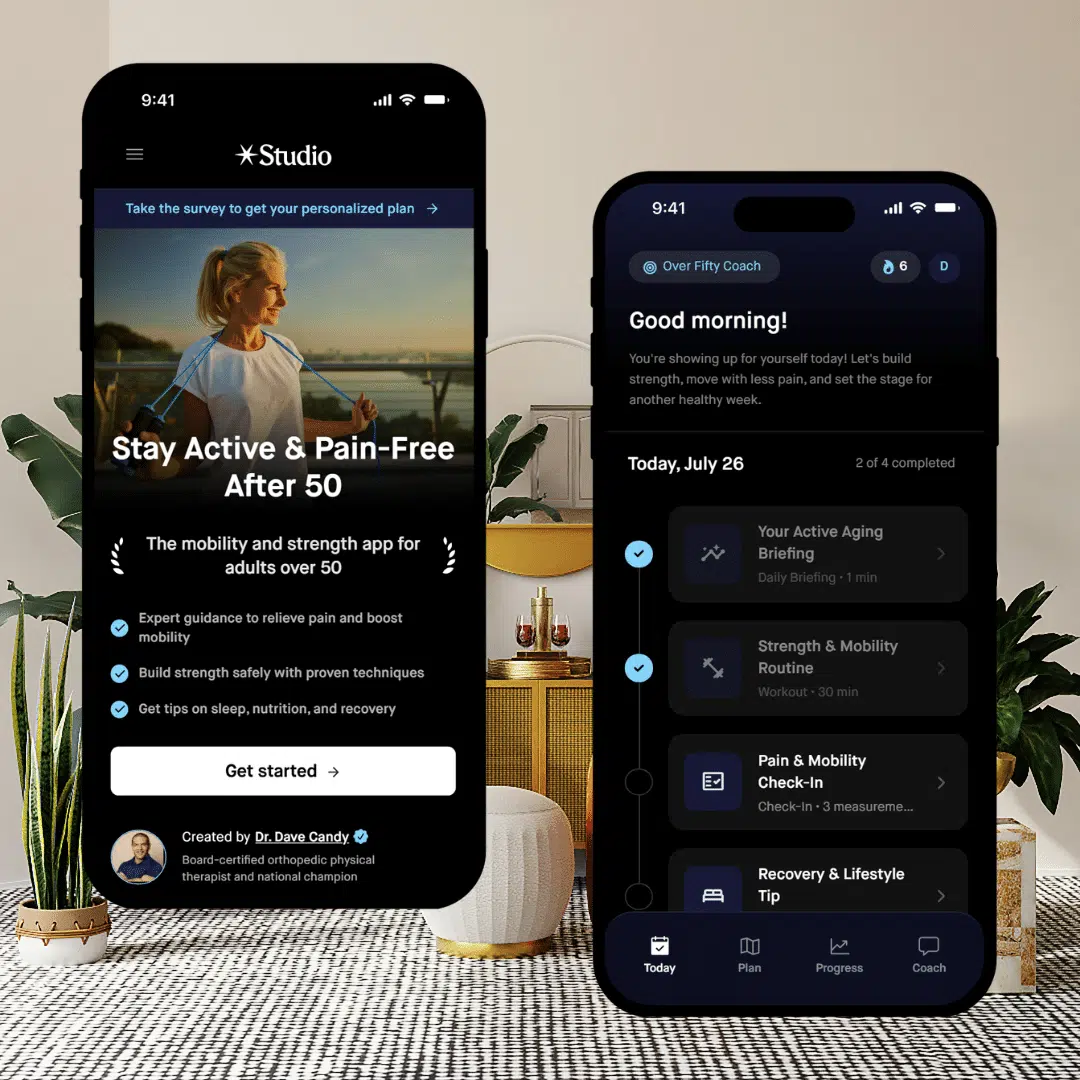
Need Help To Stay Strong and Mobile After 50?
Affiliate Disclosure: This post contains affiliate links to Amazon and/or other sites. While I only recommend products that I trust, as an Amazon Associate, I earn commission from qualifying purchases at no extra cost to you.
Medical Disclaimer: The content on this site is for educational and informational purposes only and is not intended as medical advice. Always consult with a qualified healthcare professional before beginning any new exercise program, diet, or supplement regimen, especially if you have pre-existing health conditions.