
Understanding Cervical Traction for Neck Pain Relief
Cervical traction is a therapeutic technique commonly used to relieve neck pain, particularly when caused by conditions such as pinched nerves or herniated discs. Many individuals seek home cervical traction units for convenience and cost-effectiveness. In this post, we will explore the best neck traction devices available for home use, comparing their benefits and drawbacks.
What is Home Cervical Traction?
Home cervical traction aims primarily to provide temporary relief from neck pain. While clinical evidence suggests that cervical traction can offer short-term pain relief, it is not a cure for underlying issues. The goal is to alleviate pressure from the neck, allowing for easier movement and improved comfort.
Types of Home Cervical Traction Devices
When considering a cervical traction unit for home, three primary types stand out:
- Inflatable Neck Braces: These are comfortable and easy to use, but the effectiveness varies. They provide a gentler traction force, which can be beneficial for some users.
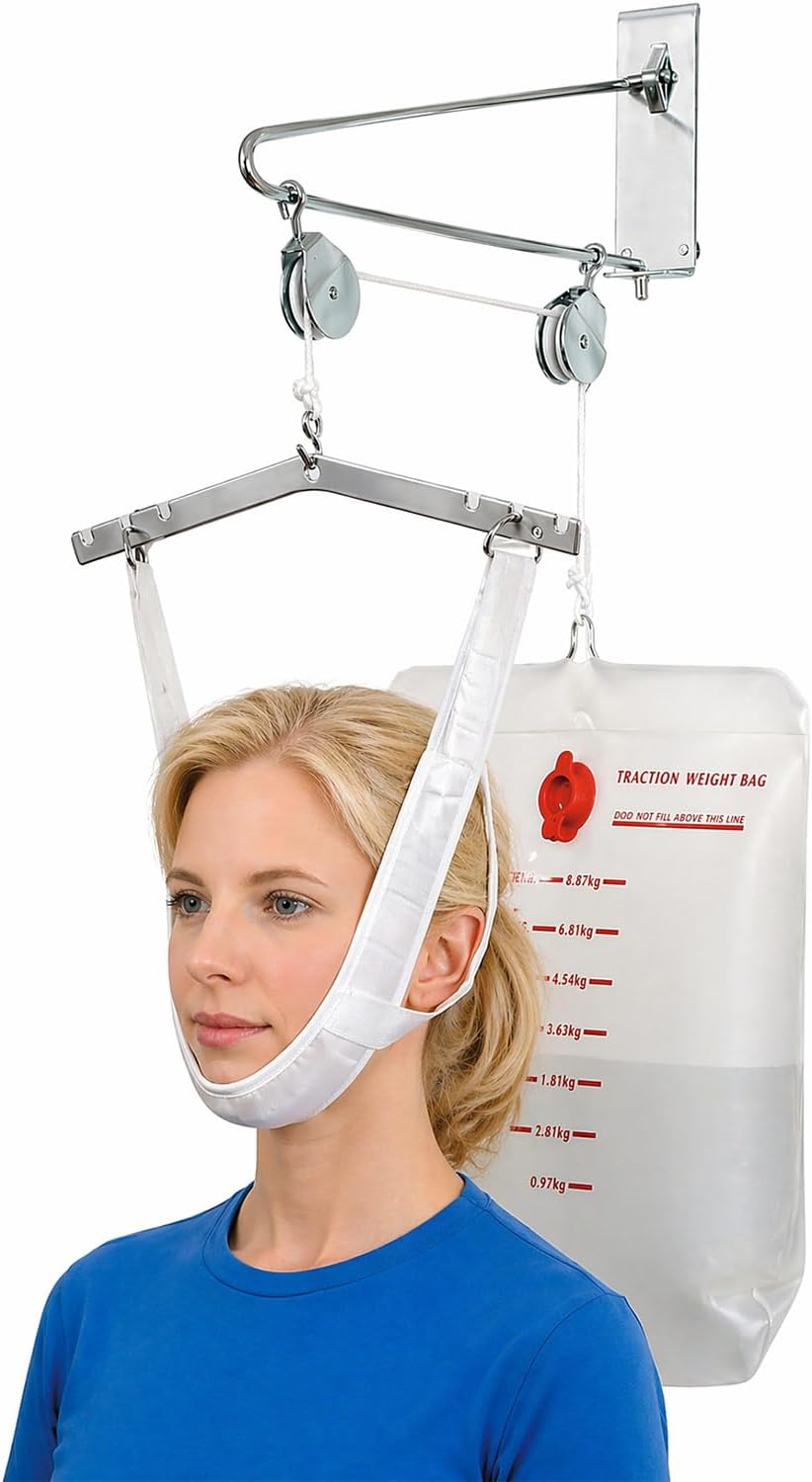
- Over-the-Door Cervical Traction Units: These devices generally offer the best traction force but require more setup and can limit mobility.
- Mechanical Decompression Units: These are typically more expensive and may not provide the comfort or effectiveness desired.
Comparing the Best Neck Traction Devices
Let’s examine three popular cervical traction devices in detail:
1. DDS Max Cervical Decompression Unit
This is one of the pricier options on the market. Although made by a reputable company, it didn’t live up to my expectations. The device resembles a neck collar and uses a pump mechanism to apply traction. However, I thought it was uncomfortable and felt difficult to breath.

2. Inflatable Neck Brace
This device is more user-friendly and comfortable than the previous option. It uses a pump to inflate and can provide gentle neck support. While it may not deliver significant traction force, it is suitable for those looking for a less aggressive option.

3. Over-the-Door Cervical Traction Unit
This option requires a bit of setup but is often considered the most effective for providing substantial traction. It involves filling a water bag to create downward pull force. Proper setup ensures that users can experience the benefits of cervical traction effectively.
How to Use Home Cervical Traction Devices
Regardless of the device chosen, proper use is crucial:
- Start Slowly: Begin with short sessions to gauge your body’s response to the traction.
- Follow Instructions: Each device comes with specific instructions; ensure you adhere to them for safety and effectiveness.
- Monitor Comfort: If at any point you feel discomfort or pain, discontinue use and consult a healthcare professional.
When to Consult a Doctor
Before using any cervical traction device, consult your healthcare provider, especially if you have had recent neck trauma, dizziness, or specific health conditions. They can provide personalized advice based on your medical history.
Finding the Best Neck Traction Device for Home
While home cervical traction units can be beneficial for short-term pain relief, they’re not a definitive solution for neck pain. It is essential to integrate these devices with other therapeutic approaches, such as posture correction and targeted exercises. If you’re considering a cervical traction unit, weigh the pros and cons of each option to determine which device may suit your needs best. Remember, consulting a healthcare provider is always a wise choice before starting any new treatment.
Need Help To Stay Strong and Mobile After 50?
Affiliate Disclosure: This post contains affiliate links to Amazon and/or other sites. While I only recommend products that I trust, as an Amazon Associate, I earn commission from qualifying purchases at no extra cost to you.
Medical Disclaimer: The content on this site is for educational and informational purposes only and is not intended as medical advice. Always consult with a qualified healthcare professional before beginning any new exercise program, diet, or supplement regimen, especially if you have pre-existing health conditions.