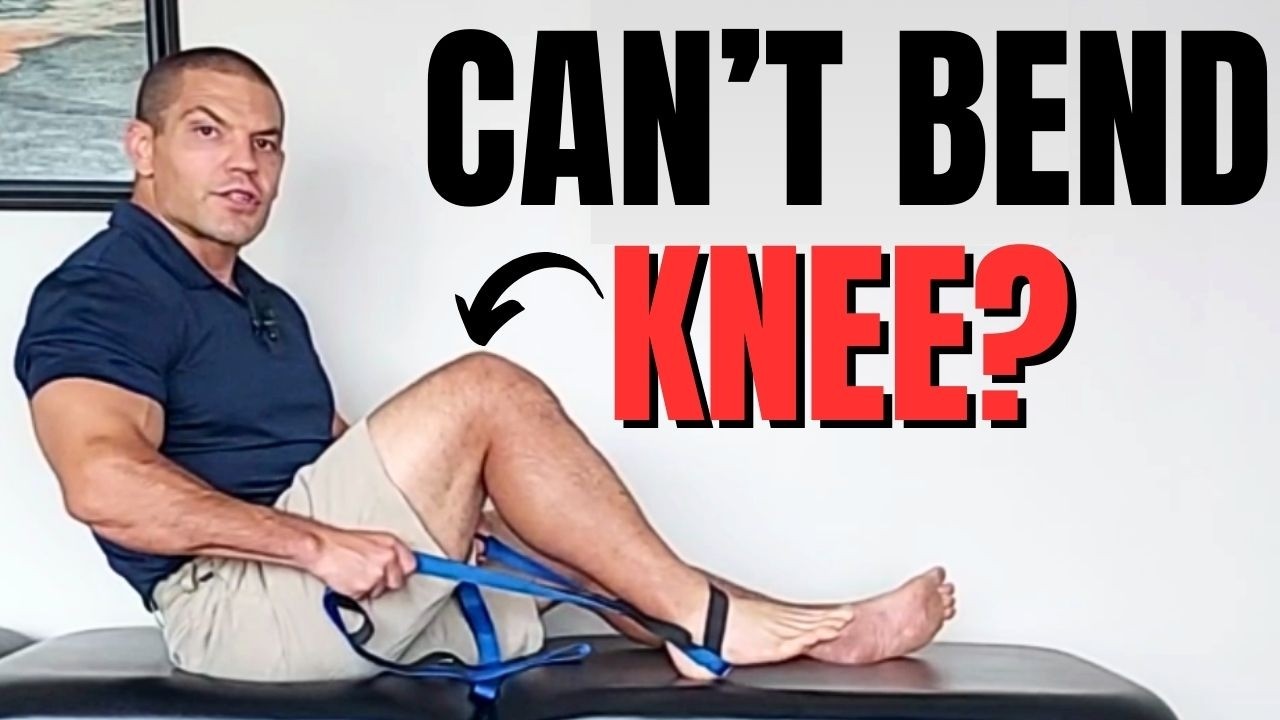
Understanding Knee Motion After Total Knee Replacement
If you’re struggling to bend your knee past 90 degrees without pain, you’re not alone. Many individuals face this challenge after a total knee replacement surgery or significant knee injuries. This blog will provide actionable tips to help increase your knee motion and reduce discomfort.
Identify the Cause of Limited Motion
Before diving into exercises, it’s crucial to understand the potential causes of limited knee bending. Common issues include:
- Swelling: Post-surgery swelling can physically block knee movement.
- Pain: Pain can inhibit your willingness to bend your knee.
- Mechanical Blockages: Stiffness in the joint capsule or tightness in your quadriceps muscles can prevent full bending.
If you haven’t had surgery and are experiencing this issue, consult with your doctor. Conditions like ACL tears or severe meniscus tears could be at play.
Managing Swelling
Controlling swelling is essential for improving knee motion. Here are some effective methods:
- Icing: Apply ice packs to reduce swelling and pain.
- Compression: Use compression wraps to support the knee joint.
- Elevation: Elevate your leg to minimize swelling after activity.
Incorporating these practices immediately after surgery can significantly aid recovery.
Effective Exercises to Increase Knee Motion
Once swelling is under control, performing specific exercises can help improve your knee bending.
Heel Slides
Heel slides are a common exercise for knee rehabilitation. Here’s how to do it effectively:
- Position a strap under your foot, ensuring it’s parallel to your tibia.
- Instead of compressing the knee, pull the strap backwards to create a translatory force.
- Repeat this movement to increase your knee bend.
Gravity-Assisted Bending
Another technique involves letting your leg dangle off the edge of a bed:
- Allow your knee to hang naturally, using gravity to facilitate bending.
- Gently pull it backwards within a comfortable range.
This method can effectively help you achieve a 90-degree bend.
Stretch Band Resistance
If you experience pain inhibition, a stretch band can help:
- Loop the band around your foot, ensuring both ends are over your knee.
- This reduces the downward force of gravity, allowing for easier bending.
Massage Techniques
Using a massage stick or massage gun can help relax the quadriceps:
- Massage the quadriceps while your leg hangs down.
- Alternatively, elevate your leg and massage along the top, outside, and inside of the quads.
These techniques can relieve tension and assist with improved motion.
Strengthening Exercises for Long-Term Recovery
After achieving better range of motion, it’s vital to strengthen the knee to maintain functionality:
Sit to Stands
This exercise builds strength in the quadriceps and glutes:
- Stand with your feet flat on the floor.
- Lean forward to load weight onto your feet.
- Push through your heels to stand up, then sit back down slowly.
Ensure your knees stay aligned with your hips and ankles.
Incorporating Other Movements
As your knee improves, consider integrating additional movements:
- Utilize a stretching strap for better control during exercises.
- Perform gentle stretches in the prone position to target the rectus femoris muscle.
Always remember to listen to your body and avoid forcing any movements.
Conclusion: Next Steps for Knee Recovery
Improving knee motion after surgery requires patience and consistent effort. Focus on controlling swelling, practicing specific exercises, and gradually incorporating strength training. If pain persists, consult with a healthcare professional for tailored advice. Your journey to recovery is vital, and with the right approach, you can regain full mobility.
Need Help To Stay Strong and Mobile After 50?
Affiliate Disclosure: This post contains affiliate links to Amazon and/or other sites. While I only recommend products that I trust, as an Amazon Associate, I earn commission from qualifying purchases at no extra cost to you.
Medical Disclaimer: The content on this site is for educational and informational purposes only and is not intended as medical advice. Always consult with a qualified healthcare professional before beginning any new exercise program, diet, or supplement regimen, especially if you have pre-existing health conditions.