
Understanding the Quadratus Lumborum Muscle
The quadratus lumborum is a crucial yet often overlooked muscle in the lower back. Its role in back pain, sciatica, and spinal stenosis is significant, making understanding how to stretch it essential for those suffering from these conditions. Located between your pelvis and the 12th rib, this rectangular muscle helps stabilize your spine and assists in various movements.
Why Stretching the Quadratus Lumborum Matters
Many people experience lower back pain due to tightness in the quadratus lumborum. This muscle can compress joints, discs, and nerves if it becomes too tight, leading to discomfort and restricted movement. Learning the right stretches can alleviate pain and enhance mobility.
The Best Quadratus Lumborum Stretch
To effectively stretch the quadratus lumborum, you’ll need to incorporate movements that counteract its actions. Here’s a step-by-step guide:
- Start by sitting comfortably: Sit on a sturdy chair with your feet flat on the ground.
- Raise your arm: Lift the arm on the side you want to stretch.
- Lean away: Gently lean towards the opposite side, creating a stretch along your lower back.
- Twist slightly: Add a twist away from the side of the muscle you are stretching for deeper relief.
- Deep breath: Inhale deeply, focusing on expanding your rib cage on the side being stretched, and hold for a few seconds.
- Engage your core: As you exhale, pull your sternum down towards the opposite hip to engage your internal obliques, facilitating further relaxation of the quadratus lumborum.
Repeat this process for about five repetitions, ensuring each stretch feels comfortable.
When to Stretch
If you experience one-sided lower back pain, target the quadratus lumborum on that side. For bilateral pain, stretch both sides to maintain balance. However, if leaning towards one side exacerbates leg pain or back pain, avoid stretching towards that side, as it may compress nerves further.
Long-Term Strategies for Back Pain Prevention
In addition to stretching, it’s essential to adopt proper posture and movement habits to prevent stiffness in the quadratus lumborum:
- Avoid asymmetrical postures: Be mindful of how you sit, stand, and carry objects, as repetitive asymmetric positions can lead to tightness.
- Strengthen your core: A strong core supports your spine and helps alleviate pressure on the quadratus lumborum.
- Incorporate regular stretching: Consistent stretching and mobility exercises can help maintain flexibility and prevent future discomfort.
Conclusion
Understanding how to stretch the quadratus lumborum effectively can be a game-changer for those suffering from back pain, sciatica, and stenosis. Incorporating these stretches into your routine, along with mindful posture and movement, can help you achieve long-term relief. If you continue to experience pain, consider seeking professional help to address underlying issues.
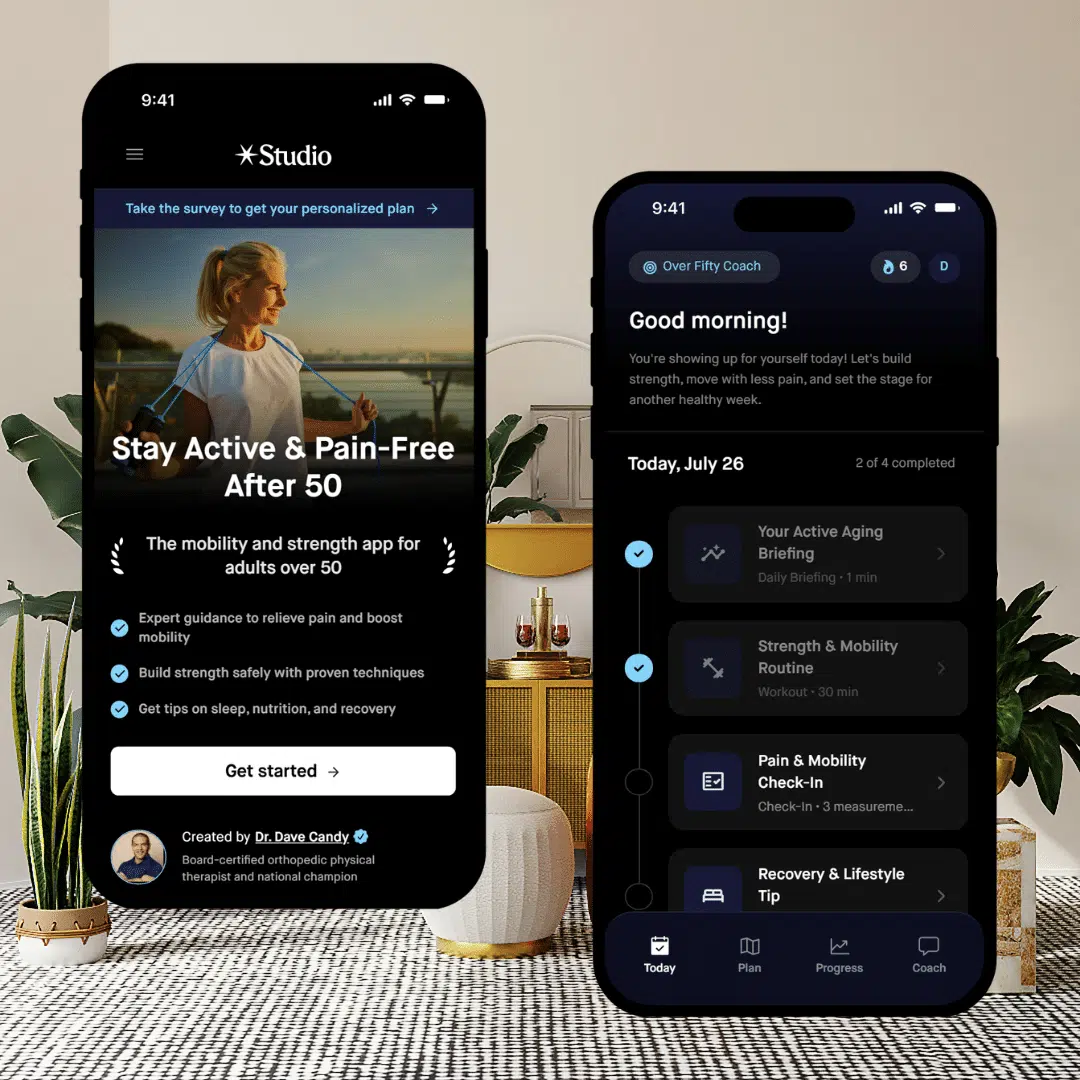
Need Help To Stay Strong and Mobile After 50?
Affiliate Disclosure: This post contains affiliate links to Amazon and/or other sites. While I only recommend products that I trust, as an Amazon Associate, I earn commission from qualifying purchases at no extra cost to you.
Medical Disclaimer: The content on this site is for educational and informational purposes only and is not intended as medical advice. Always consult with a qualified healthcare professional before beginning any new exercise program, diet, or supplement regimen, especially if you have pre-existing health conditions.