
Understanding Muscle Building After 50
As we age, building muscle becomes increasingly important, especially after 50. If you’re trying to gain strength but not seeing results, you may be training too much or too little. Finding the right balance is crucial for effective muscle growth. This post will guide you through the essential components of training safely and effectively for muscle gain after 50.
Identifying Your Training Mistakes
To start, be honest with yourself about your training habits. Are you a former athlete with the “no pain, no gain” mindset? If so, you may be prone to overtraining. Conversely, if you’re new to exercising, you might be hesitant and undertraining due to fear of injury. Recognizing which side of the spectrum you fall on will help you adjust your approach.
Finding the Right Training Volume
The American College of Sports Medicine recommends tailored training programs based on your muscle-building goals. Here are some key points:
- For strength: Aim for 2-3 sets per exercise, performed 2 or more days per week, using weights that are 80% of your one-repetition maximum (1RM).
- For muscle size (hypertrophy): Target at least 10 sets per muscle group per week, focusing on eccentric movements.
- For bone density: Train 3 days per week for at least 40 minutes with weights at 70% of your 1RM.
The Importance of Protein Intake
Another critical factor in muscle building after 50 is overcoming anabolic resistance. This phenomenon makes it harder for your body to convert protein into muscle tissue. To combat this, you need to:
- Train intensely: Ensure your workouts stimulate muscle protein synthesis.
- Eat enough protein: Aim for 1.2 to 2.0 grams of protein per kilogram of body weight daily. For example, a 200-lb individual should consume around 150 to 180 grams of protein per day.
Balancing Intensity and Recovery
As we age, our recovery time can increase due to changes in our mitochondria, the energy factories of our cells. Thus, it’s vital to balance intense training with adequate recovery. Here are two effective workout regimens:
- Three-day routine: Train three days a week with three sets per exercise focusing on compound movements like bench presses, squats, and rows.
- Four-day split: Train four days a week, dividing upper and lower body workouts. This allows for more volume while still emphasizing compound movements.
Monitoring Your Progress
Regardless of which training schedule you choose, track your strength gains over time. If you’re not getting stronger, it’s time to tweak your training variables. Make adjustments to the volume, intensity, and recovery times to find what works best for you.
The Role of Recovery and Nutrition
Never underestimate the importance of proper sleep and nutrition in your muscle-building journey. Recovery is essential for muscle growth and overall well-being. Make sure you’re getting enough rest and consuming a balanced diet to support your training efforts.
Conclusion: Take Action Now
Building muscle after 50 can be a rewarding journey if approached correctly. By understanding your training habits, adjusting your volume and intensity, and focusing on nutrition and recovery, you can find the sweet spot for effective muscle growth. Start experimenting with the suggested regimens, monitor your progress, and make necessary adjustments. Your body will thank you!
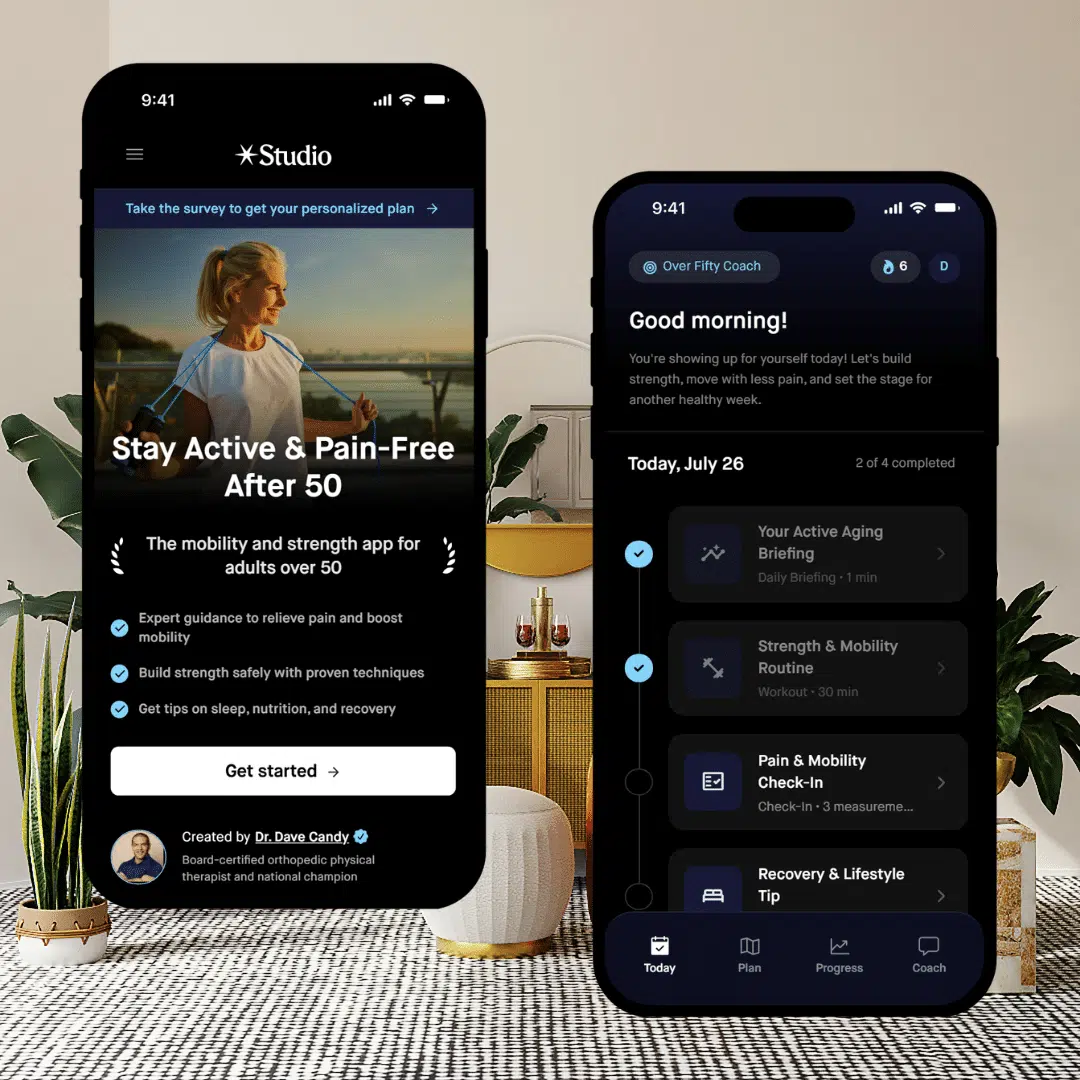
Need Help To Stay Strong and Mobile After 50?
Affiliate Disclosure: This post contains affiliate links to Amazon and/or other sites. While I only recommend products that I trust, as an Amazon Associate, I earn commission from qualifying purchases at no extra cost to you.
Medical Disclaimer: The content on this site is for educational and informational purposes only and is not intended as medical advice. Always consult with a qualified healthcare professional before beginning any new exercise program, diet, or supplement regimen, especially if you have pre-existing health conditions.