
Understanding the Importance of Using a Cane
Walking can become challenging as we age, especially for those experiencing severe hip or knee pain. Many seniors face balance and mobility concerns, often leading to fear of falling or reliance on furniture for support. If you relate to this, you are not alone. Millions of seniors share these challenges, yet many hesitate to use a cane. In this post, we’ll debunk three common myths about walking with a cane, helping you make an informed decision.
Myth #1: Using a Cane Makes You Look Old
It’s a common belief that using a cane signifies aging. While older adults often use canes more frequently, it’s essential to recognize that no one truly cares about what you carry. People are preoccupied with their own lives, and using a cane can actually enhance your mobility and safety.
In fact, limping or hobbling can give a more pronounced impression of aging. A cane allows you to walk smoothly, reducing the risk of falls. If you’re worried about judgment, remember that true friends and family would prefer your safety and well-being over superficial concerns.
Addressing Concerns from Loved Ones
Sometimes, family members may express concern over your use of a cane, fearing it might foster dependency. However, using a cane correctly can actually promote independence and strength. It helps you stay active, which is crucial for maintaining muscle strength and overall health.
Myth #2: Using a Cane Makes You Weaker
Another myth is that using a cane leads to weakness. On the contrary, using a cane properly can help strengthen your muscles. If walking causes pain or fear of falling, you’re likely to become less active, which contributes to muscle weakness.
When you compensate for pain by limping, you may inadvertently strengthen stronger muscles while neglecting weaker ones. This can lead to additional issues, such as back pain. A cane allows you to distribute your weight more effectively, enabling the weaker muscles to work within their limits and gradually strengthen over time.
Proper Cane Usage for Strengthening
To maximize the benefits of using a cane, it is vital to adjust it to the correct height. Ideally, it should be level with your hip bone. Alternatively, hold the cane six inches in front and to the side of you; there should be a 20 to 30-degree bend in your elbow. This positioning prevents hunching and excessive shoulder strain.
When walking, move the cane simultaneously with your weaker leg. This method allows you to offload some weight from the weaker leg, promoting strength and balance over time.
Myth #3: Using a Cane is a Slippery Slope
Many fear that starting to use a cane will lead to a decline in mobility, eventually requiring a walker or wheelchair. While it’s understandable to have these concerns, using a cane can actually help maintain and improve your mobility. By walking properly and utilizing a cane, you can strengthen your muscles and potentially reduce your reliance on it.
Some individuals may choose to use a cane long-term for stability, and that’s perfectly acceptable. If you’re worried about the stigma of using a cane, consider choosing one that reflects your personality. Canes come in various designs and colors, making them a unique accessory rather than just a mobility aid.
Embracing Your Cane
Ultimately, the only person who can make you feel ashamed about using a cane is yourself. By owning your choice and presenting it with confidence, you can dispel any negative perceptions. Remember, your safety and mobility are paramount. A cane is a tool that enables you to engage in activities you love and maintain your independence.
Conclusion: Taking the Next Step
Understanding the truth behind these myths can empower you to make informed decisions about your mobility. If you’re unsure about using a cane or need further assistance with hip or knee pain, consider seeking professional help. There are resources and specialists available to guide you in improving your balance and mobility.
Remember, embracing a cane can enhance your quality of life, allowing you to remain active and engaged with those around you.
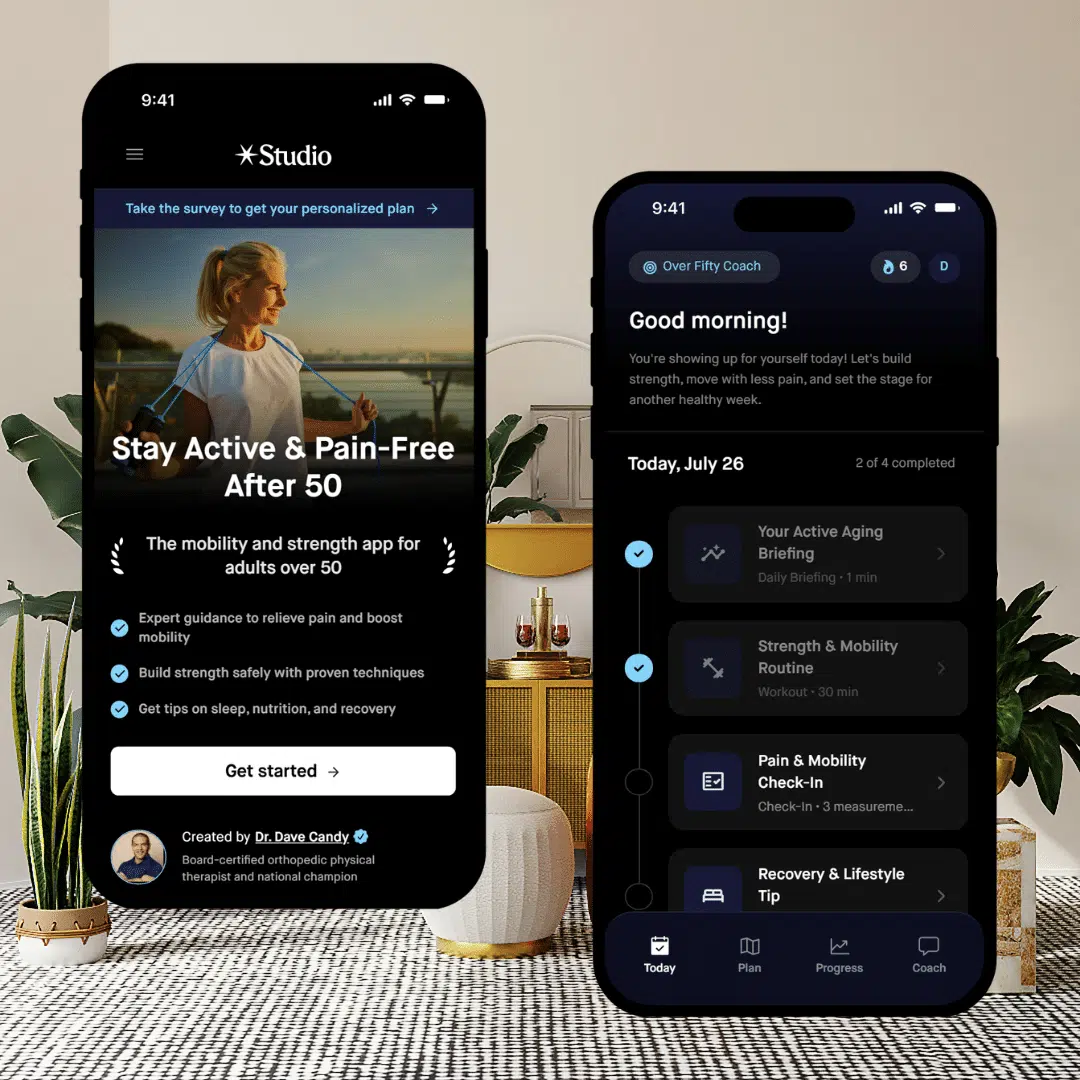
Need Help To Stay Strong and Mobile After 50?
Affiliate Disclosure: This post contains affiliate links to Amazon and/or other sites. While I only recommend products that I trust, as an Amazon Associate, I earn commission from qualifying purchases at no extra cost to you.
Medical Disclaimer: The content on this site is for educational and informational purposes only and is not intended as medical advice. Always consult with a qualified healthcare professional before beginning any new exercise program, diet, or supplement regimen, especially if you have pre-existing health conditions.