
Understanding Back Braces and Their Impact
Do back braces help alleviate lower back pain, or do they lead to a weaker core? This debate has persisted among healthcare professionals for years. The answer, it turns out, is both yes and yes. Back braces can provide relief from back pain while potentially weakening core muscles if misused. This article will guide you on how to effectively use back braces to manage your lower back pain without compromising core strength.
Arguments Against Back Braces
Many physical therapists warn against the overuse of back braces. Their primary concern is that if you rely on a brace for prolonged periods, your core muscles may become weaker. Weak core muscles can ultimately exacerbate back pain. However, the key lies in how you use the brace. It’s not about wearing it all day; rather, it’s about strategic usage.
When to Use a Back Brace
Back braces can be beneficial, especially when engaging in activities that may aggravate your back. If you’re lifting heavy objects or standing for extended periods, wearing a brace can provide the support you need. Aim to wear a back brace for short durations—ideally between one to four hours. This allows your core to remain active while still benefiting from the support of the brace.
Choosing the Right Back Brace
Not all back braces are created equal. For most individuals, a simple wrap-around back brace is effective. This type of brace offers stability without completely taking over the job of your core muscles. Look for braces that feature plastic support, as they provide necessary stability without excessive pressure on your spine.
How to Properly Wear a Back Brace
To wear a back brace correctly, position it around your lower back and secure it with Velcro. It should feel snug but not uncomfortably tight. The objective is to provide support, not to restrict movement. Adjust the straps to your comfort level, ensuring that the brace remains centered on your lower back.
Advanced Back Brace Options
If you find that a basic brace does not alleviate your pain, consider a more advanced option. Some braces, like those from Disc Disease Solutions, feature an air pump mechanism. This type of brace inflates to provide a decompression effect, which can be particularly beneficial for individuals with degenerative disc disease.
Using Advanced Braces
To use an advanced brace, wrap it around your body and secure it with Velcro. Connect the pump and inflate until the gauge indicates you’re in the optimal range. This method mimics the benefits of an inversion table, giving you relief from compressive forces while allowing movement.
Strengthening Your Core Alongside Brace Use
Regardless of which type of brace you choose, it is crucial to engage in core strengthening exercises. Relying solely on a back brace can lead to further muscle weakness over time. Incorporating core workouts into your routine will help enhance your endurance and support your spine effectively.
Next Steps
To learn specific exercises that can strengthen your core, consider exploring resources that focus on core stability and strength training. This approach will not only alleviate your pain but also empower you to maintain a stronger core, ensuring long-term back health.
In summary, back braces can serve as a helpful tool in managing lower back pain when used appropriately. They should supplement your core strength, not replace it. Wear them strategically, choose the right type, and engage in core strengthening to achieve the best results.
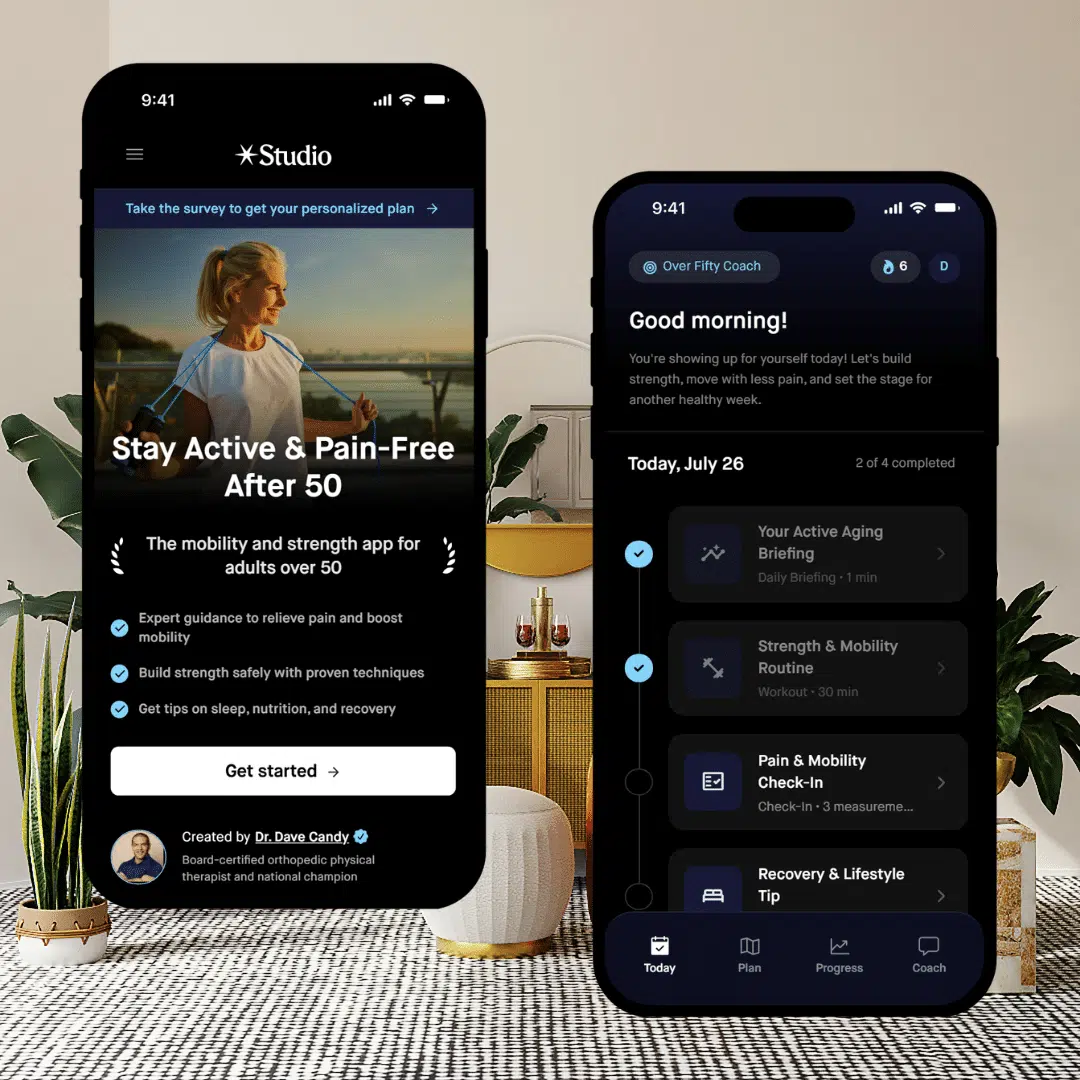
Need Help To Stay Strong and Mobile After 50?
Affiliate Disclosure: This post contains affiliate links to Amazon and/or other sites. While I only recommend products that I trust, as an Amazon Associate, I earn commission from qualifying purchases at no extra cost to you.
Medical Disclaimer: The content on this site is for educational and informational purposes only and is not intended as medical advice. Always consult with a qualified healthcare professional before beginning any new exercise program, diet, or supplement regimen, especially if you have pre-existing health conditions.