
Understanding Barefoot Shoes
Barefoot shoes have gained popularity among those seeking a more natural walking and running experience. Many people wonder, are barefoot shoes really better for your feet? In this article, we will explore what barefoot shoes are, their benefits, and how to transition to them safely.
What Makes Barefoot Shoes Unique?
The design of barefoot shoes is one of their standout features. They typically have a wide toe box that allows your toes to splay out naturally, mimicking the way they would if you were walking barefoot. This contrasts sharply with traditional shoes that often squeeze your toes together, potentially leading to issues like bunions.
Zero Drop Design
Another essential characteristic of barefoot shoes is their zero drop design. This means that the heel and toe are on the same level, promoting a more natural foot position. This alignment helps to distribute your weight evenly and can reduce the risk of overpronation, which can cause various foot problems.
Benefits of Wearing Barefoot Shoes
Many proponents of barefoot shoes argue that they can strengthen your feet. Research supports this claim, showing that individuals who wear barefoot shoes often exhibit better foot strength compared to those in traditional footwear. A stronger foot can lead to improved stability and balance.
Can Barefoot Shoes Help with Plantar Fasciitis?
A common concern is whether barefoot shoes can help or hurt conditions like plantar fasciitis. Typically, people with this condition opt for shoes with more cushioning and arch support. However, studies indicate that individuals with chronic plantar fasciitis benefited from wearing barefoot shoes over traditional options.
The key to this improvement lies in how one learns to walk. Transitioning to barefoot shoes encourages a change in your walking technique, moving away from a heel-to-toe stride to a more balanced foot landing. This adjustment can help alleviate some of the pain associated with plantar fasciitis.
Transitioning to Barefoot Shoes Safely
While barefoot shoes offer many benefits, they are not suitable for everyone. If you typically wear heavily cushioned shoes, a sudden switch can lead to discomfort or injury. It’s essential to transition gradually.
Steps for a Smooth Transition
- Start Slow: Wear your barefoot shoes for short periods, gradually increasing wear time as your feet adapt.
- Mix It Up: Alternate between barefoot shoes and your regular shoes to ease the transition.
- Listen to Your Body: Pay attention to how your feet feel. If you experience pain, reduce wear time and consult with a professional.
Conclusion: Are Barefoot Shoes Right for You?
Barefoot shoes can be a great option for many individuals looking to improve foot strength and overall mobility. However, it is crucial to approach the transition thoughtfully and listen to your body’s signals. If you’re considering making the switch, start slow and consult a professional if you have specific concerns, especially if you have preexisting conditions like plantar fasciitis. With the right approach, you can enjoy the benefits of barefoot shoes and enhance your foot health.
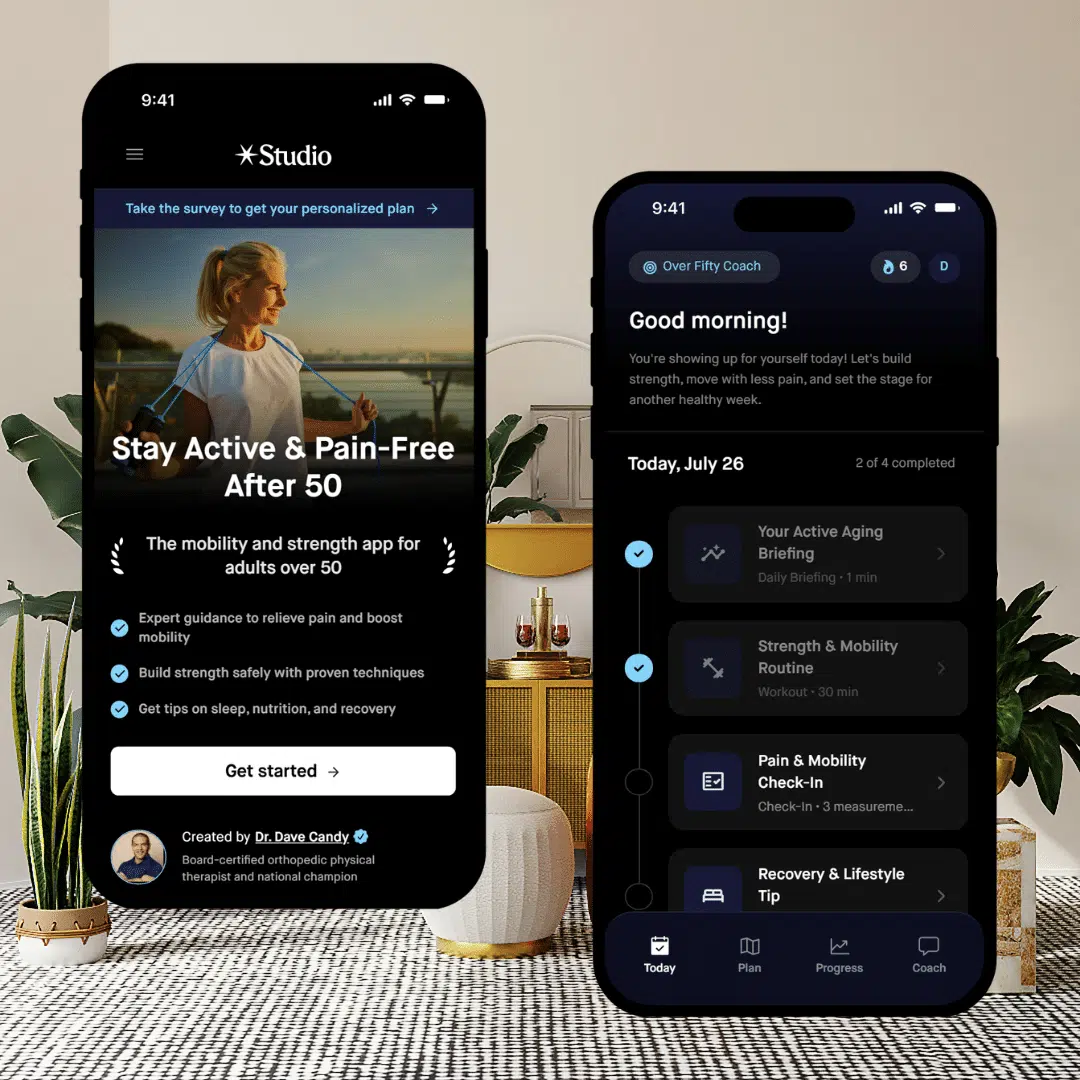
Need Help To Stay Strong and Mobile After 50?
Affiliate Disclosure: This post contains affiliate links to Amazon and/or other sites. While I only recommend products that I trust, as an Amazon Associate, I earn commission from qualifying purchases at no extra cost to you.
Medical Disclaimer: The content on this site is for educational and informational purposes only and is not intended as medical advice. Always consult with a qualified healthcare professional before beginning any new exercise program, diet, or supplement regimen, especially if you have pre-existing health conditions.