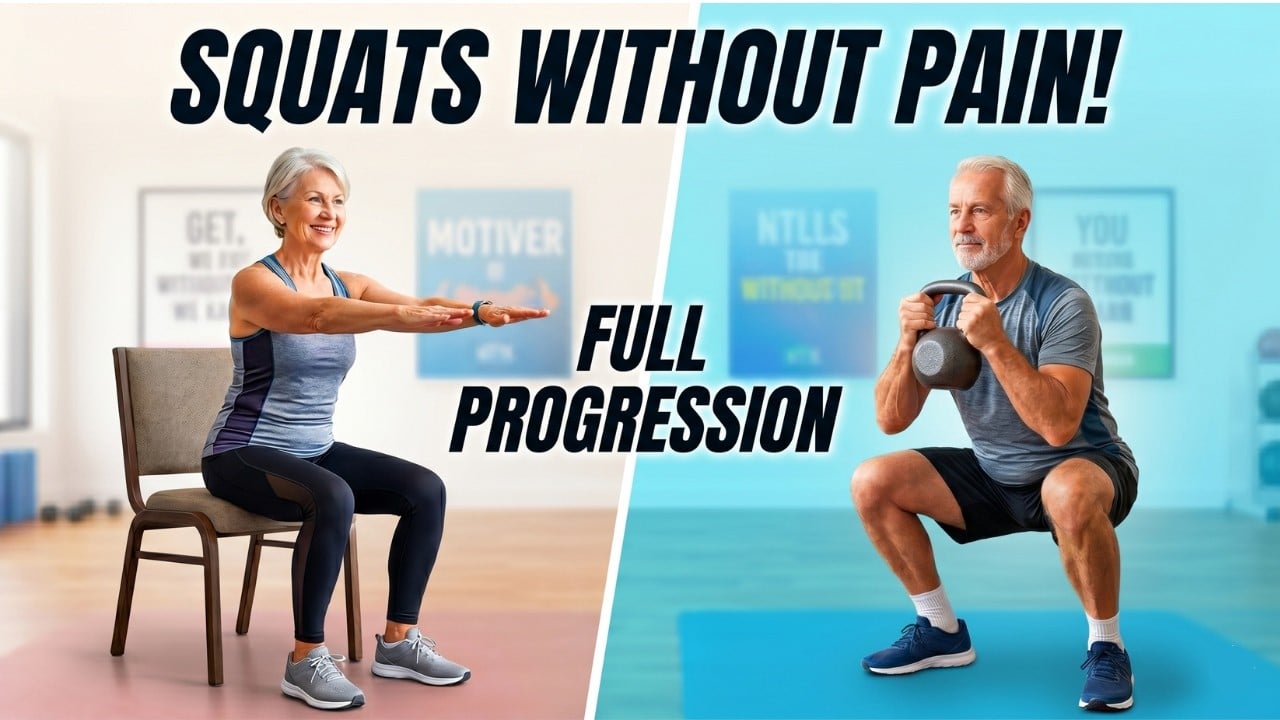
Why Squats Are Essential for Seniors
Squats are one of the best exercises for seniors, helping to develop leg strength and mobility. However, many seniors fear knee pain when performing squats and may be advised against them. The reality is, squats are crucial for daily activities like standing up from a chair or getting up from the floor. In this guide, we’ll explore safe squatting techniques tailored for seniors that can alleviate knee discomfort while enhancing strength.
Getting Started: The Sit-to-Stand Squat
The sit-to-stand squat, also known as the chair squat, is perfect for seniors who struggle with standing up from sitting. Start by scooting to the front edge of your chair. Bend your feet back beneath you while keeping them flat on the floor. This shifts your center of gravity closer to your feet.
Key Techniques for the Sit-to-Stand
- Ensure your hips, knees, and toes are aligned.
- Lean forward to position your weight over your feet.
- Push through the floor to stand up, driving your knees outward to prevent them from buckling.
To sit back down, push your hips back while reaching for the chair. This technique minimizes stress on your knees and encourages the use of your glutes.
Progressing to Goblet Squats
Once you’re comfortable with the sit-to-stand squat, you can progress to the goblet squat. For this, you’ll need a dumbbell held at chest level. Keep it close to your body to maintain vertical forearms.
Performing the Goblet Squat
Begin by squatting down, and if needed, lightly touch the chair before standing back up. You’ll find that squatting lower is often easier with a lightweight, as it helps maintain your center of gravity.
Always ensure your knees are driven out and squat as low as comfortable. When finished, simply set the weight down safely.
Enhancing Mobility with the Resting Squat
The resting squat, also called the Asian squat, is a fantastic way to enhance mobility. Lower yourself into a deep squat and hold the position. If you’re struggling with balance, you can hold onto a sturdy piece of furniture.
Support for Ankle Mobility
If you lack ankle mobility, consider using weight plates beneath your heels to help keep your feet flat. This allows your knees to move forward without straining your kneecaps.
Transitioning to Smith Machine Squats
As you grow stronger, utilizing a Smith machine squat can be beneficial. This machine offers stability, allowing you to focus on form without the risk of losing balance.
Executing the Smith Machine Squat
Position yourself under the bar at shoulder level, squeeze your shoulder blades together, and lift off the bar. Keep your alignment in check as you squat down, ensuring your hips, knees, and toes are aligned.
Exploring Barbell Squats
As you progress further, you might want to try barbell squats. There are two main types: front squats and back squats. Front squats are generally easier to bail out of, while back squats provide more emphasis on the quads.
Performing Front Squats
For a front squat, you can use an Olympic rack position or a more comfortable arms-crossed method. Ensure your elbows are high to keep the bar secure. Remember to take a deep breath as you lower into the squat and exhale as you rise.
Back Squats for Strength
In a back squat, position the bar across your upper trapezius, ensuring a neutral spine. This variation engages your glutes and can be beneficial for building strength, although it may require more forward lean.
Conclusion: Next Steps for Stronger Legs
By incorporating these squatting techniques into your routine, you can build stronger legs and improve your mobility without risking injury. Whether you’re starting with sit-to-stands or progressing to barbell squats, listen to your body and adjust as needed. Remember, consistency is key to gaining strength safely as you age.
For further guidance and personalized recommendations, consider consulting a physical therapist who specializes in senior fitness.
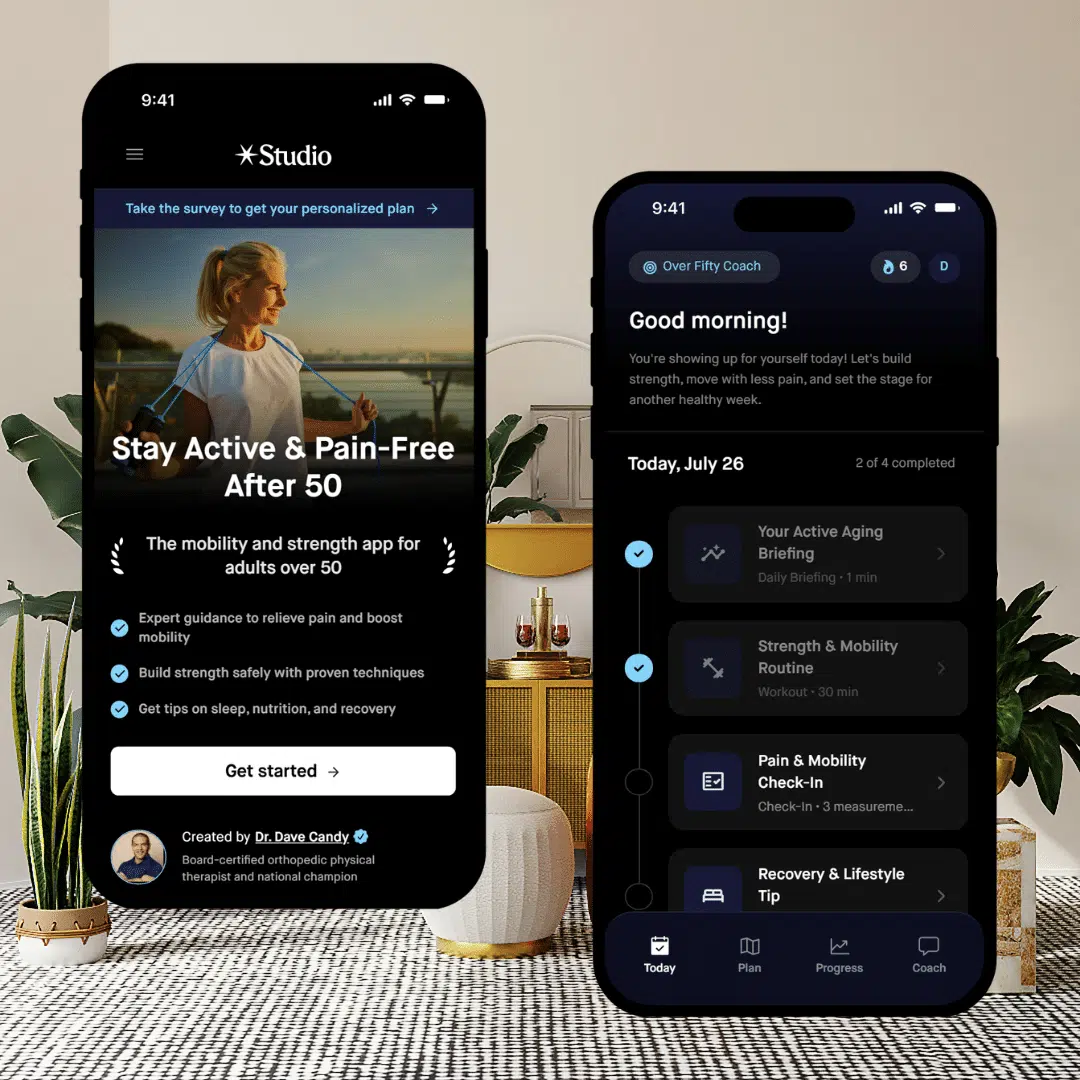
Need Help To Stay Strong and Mobile After 50?
Affiliate Disclosure: This post contains affiliate links to Amazon and/or other sites. While I only recommend products that I trust, as an Amazon Associate, I earn commission from qualifying purchases at no extra cost to you.
Medical Disclaimer: The content on this site is for educational and informational purposes only and is not intended as medical advice. Always consult with a qualified healthcare professional before beginning any new exercise program, diet, or supplement regimen, especially if you have pre-existing health conditions.