
Understanding Neck Pain and Its Causes
Neck pain can be a persistent issue for many, especially when conventional neck pain exercises fail to provide relief. Often, individuals focus on stretching sore muscles rather than addressing the underlying causes. This post will explore effective alternatives to traditional neck pain exercises, helping you find genuine relief.
Why Common Neck Pain Exercises Might Not Work
Many people rely on basic stretching exercises, assuming they will resolve their neck pain. However, there are several problems with this approach:
1. Over-Simplification of the Neck Structure
When performing general neck stretches, it’s easy to treat the neck as a single segment. The neck comprises seven cervical vertebrae, and often, some of these vertebrae move too much while others remain stiff. This means that typical stretches may exacerbate the pain rather than alleviate it.
2. Ineffective Stretching Techniques
Many common neck stretches do not target the specific areas that are stiff. For example, simply bending your neck to the side stretches the entire neck instead of focusing on the problematic segments. To effectively stretch, consider a combination of side bending and rotation.
Effective Techniques for Neck Pain Relief
Here are some targeted strategies to relieve neck pain more effectively:
Specific Stretching Techniques
Instead of broad stretches, use a combination of side bending and rotation to isolate specific segments of your neck. By doing this, you can address areas that may be stiff or stuck. Here’s how:
- Tip your head slightly to one side and rotate gently. This will target the upper segments of your neck.
- If you tip and rotate more, you can focus on the middle segments.
- For lower segments, increase the tilt and rotation even further.
Adding compression can also enhance the effectiveness of your stretches. By gently compressing your head while you rotate, you can feel a more profound stretch in the targeted area.
Shortening Over-Stretched Muscles
Over-stretching can lead to discomfort, especially in the upper trapezius muscle. Instead of stretching this muscle further, you should aim to shorten it. Here’s a simple exercise:
- Raise your arms overhead and perform a gentle shoulder shrug.
- Hold for about 10 seconds and repeat for 5 to 10 repetitions.
This technique helps relax the muscle by desensitizing the muscle spindle, which may reduce muscle spasms.
Addressing Scalene Muscles
The scalenes attach to the first rib and can become tight, impacting neck mobility. To effectively stretch the scalenes:
- Use a stretching strap or a firm towel.
- Pull the strap down to hold the first rib and tip your head gently to stretch the scalenes.
Ensure you feel the stretch along the side of your neck without overextending.
Correcting Neck Rotation Exercises
Neck rotation exercises are beneficial, but they often have common pitfalls:
1. Combining Movements
When rotating the neck, focus on pure rotation rather than combining it with side bending. To practice:
- Turn your head from side to side, ensuring movement is isolated to the neck.
2. Mobilizing C1 and C2
Most neck rotation occurs in the upper segments of the neck (C1 and C2). To mobilize these segments:
- Use a thin stretching strap to gently pull while rotating your neck.
Remember to only rotate as far as is comfortable.
Improving Overall Neck Posture
Many neck issues stem from poor posture, particularly forward head posture. Here are some tips to improve your posture and alleviate neck pain:
- Regularly practice chin tucks to maintain head alignment over your shoulders.
- Support your arms on armrests while sitting to reduce tension on the neck.
- Perform gentle back arches over a chair to mobilize the base of the neck.
Conclusion: Next Steps for Neck Pain Relief
To manage neck pain effectively, it’s essential to focus on specific exercises that address the root causes. Incorporate targeted stretching and strengthening techniques into your routine, and be mindful of your posture throughout the day. Remember, consistency is key. For lasting relief, combine these practices with regular breaks and ergonomic adjustments at your workspace.
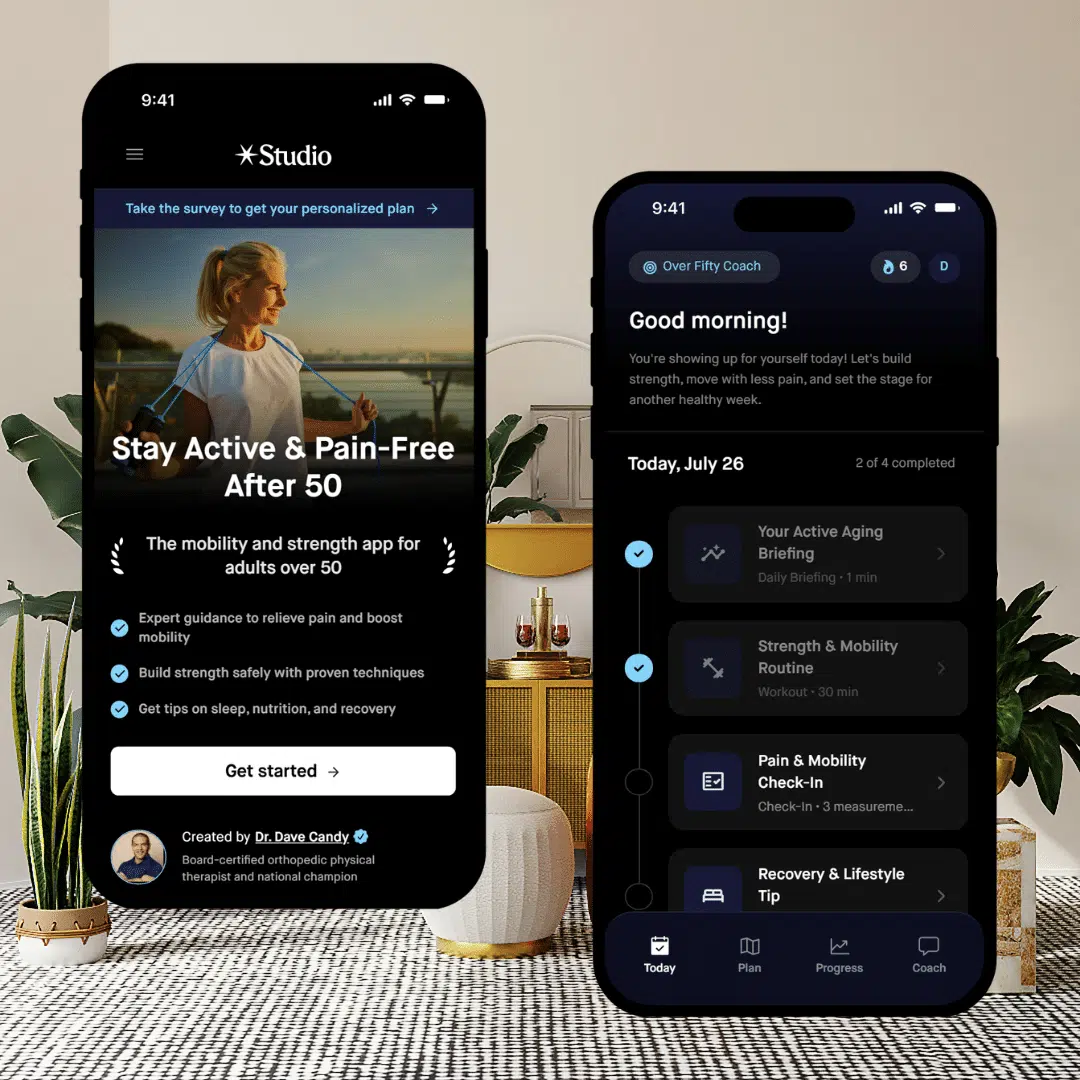
Need Help To Stay Strong and Mobile After 50?
Affiliate Disclosure: This post contains affiliate links to Amazon and/or other sites. While I only recommend products that I trust, as an Amazon Associate, I earn commission from qualifying purchases at no extra cost to you.
Medical Disclaimer: The content on this site is for educational and informational purposes only and is not intended as medical advice. Always consult with a qualified healthcare professional before beginning any new exercise program, diet, or supplement regimen, especially if you have pre-existing health conditions.