
Understanding Exercise Effectiveness for Seniors
Are you exercising regularly but not seeing results? Many seniors encounter this issue due to performing exercises incorrectly. When the right move is done the wrong way, it can lead to discomfort, frustration, and the desire to quit altogether. This post will explore three common exercises for seniors that are often performed incorrectly and how to correct them for better results.
1. Proper Squats and Sit to Stands
The squat, or sit to stand, is a fundamental exercise for improving lower body strength. It primarily targets the quadriceps and glutes. However, many seniors make key mistakes that can cause discomfort or reduce the exercise’s effectiveness.
Common Mistakes in Squats
One common mistake is maintaining an overly upright posture. While this may seem correct, it can place unnecessary pressure on the knees, especially for those with knee pain or arthritis. Instead, lean slightly forward from the hips, engage your glutes, and reach back with your bottom. This modification emphasizes the glutes and reduces knee strain.
Another critical mistake is allowing the knees to buckle inward. To avoid this, think about turning your knees outward as you perform the squat. This alignment keeps the hips, knees, and toes in sync, promoting safer and more effective movement.
Making Squats More Challenging
If you find squats easy, consider increasing your depth by eliminating the chair. Gradually lower yourself into a deeper squat, using a sturdy surface for balance if necessary. Remember, whether you choose a quadricep or glute dominant squat, maintaining proper form is essential to reap the full benefits.
2. Mastering Wall Push-ups
Wall push-ups are excellent for upper body strength but can become ineffective if not done correctly. Many seniors do push-ups with arms positioned at shoulder level, which increases the risk of shoulder impingement and reduces strength.
Correcting Push-up Form
Instead, lower your arms to create about a 45° angle between your arm and body. This adjustment not only protects your shoulders but also maximizes strength during the exercise. Remember to engage your shoulder blades by drawing them down and back, which ensures your posture remains strong throughout the movement.
If wall push-ups feel too easy, try progressing to push-ups on a countertop or even the floor. This increase in difficulty can help build strength more effectively.
3. Improving Banded Rows
Banded rows are another popular exercise for seniors aimed at strengthening the back. However, many individuals pull their elbows too far back, which can lead to poor posture and shoulder issues.
Enhancing Your Row Technique
To perform banded rows correctly, focus on maintaining a high chest and tucking your shoulder blades down and back. This positioning opens up the area around your rotator cuff, enhancing shoulder stability and overall posture.
Additionally, underloading is a common mistake. Often, a single resistance band may not provide enough resistance. Consider doubling up on bands or using a stronger band to challenge your muscles effectively.
Conclusion: Take the Next Step Towards Effective Exercise
Exercise is vital for maintaining strength and mobility as we age. However, executing movements correctly is crucial to prevent injury and ensure effectiveness. By focusing on proper form in exercises like squats, push-ups, and rows, seniors can enhance their workout results significantly.
Start by incorporating these corrections into your exercise routine, and remember to progress gradually to match your fitness level. With dedication and proper technique, you can achieve the results you desire and maintain a healthier lifestyle.
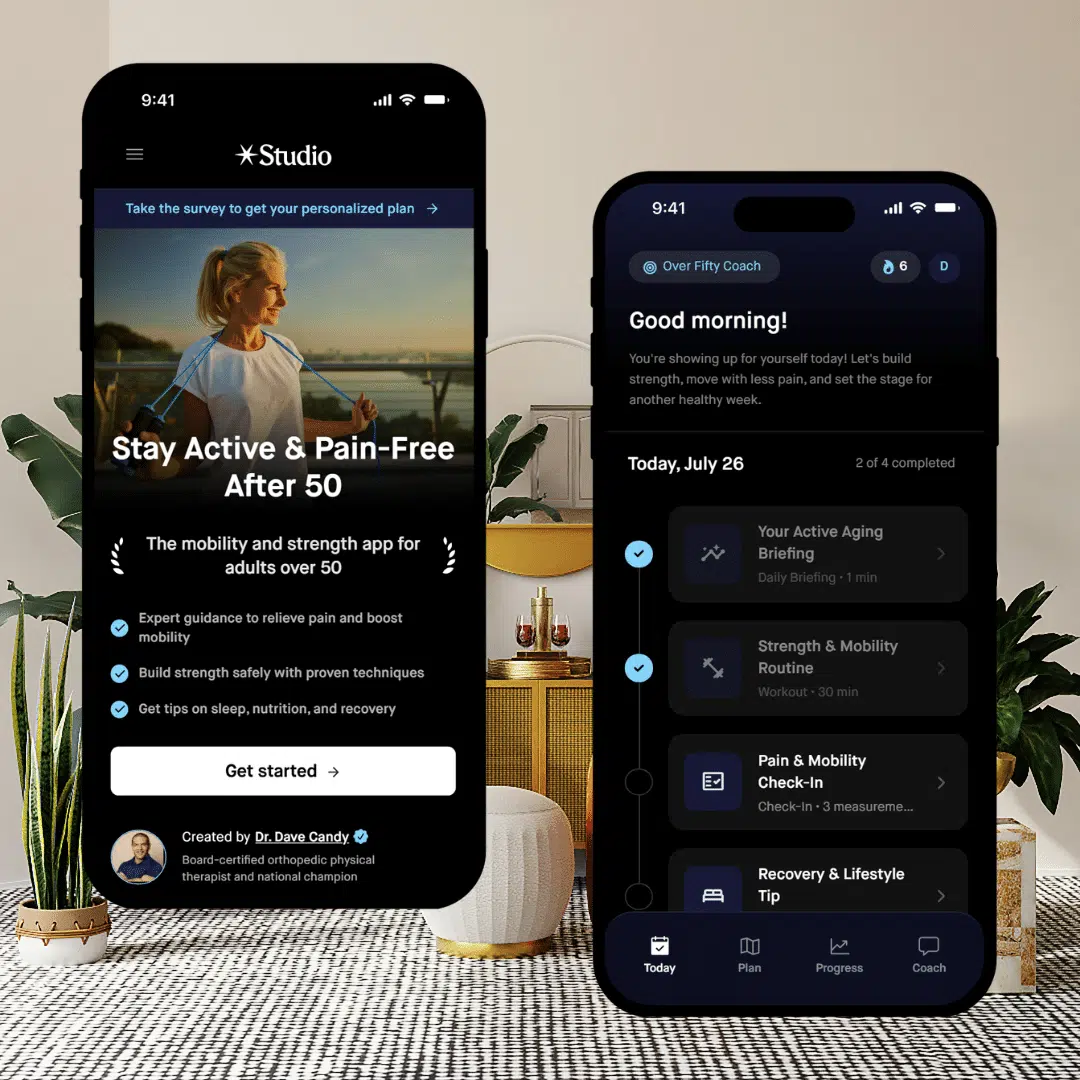
Need Help To Stay Strong and Mobile After 50?
Affiliate Disclosure: This post contains affiliate links to Amazon and/or other sites. While I only recommend products that I trust, as an Amazon Associate, I earn commission from qualifying purchases at no extra cost to you.
Medical Disclaimer: The content on this site is for educational and informational purposes only and is not intended as medical advice. Always consult with a qualified healthcare professional before beginning any new exercise program, diet, or supplement regimen, especially if you have pre-existing health conditions.