
Understanding Hip Pain and Clamshell Exercises
If you’re struggling with persistent hip pain, you may have tried clamshells, one of the most common rehab exercises for hip pain. However, these exercises often fall short in providing the relief you seek. In this post, we will explore why clamshells may not be the solution you need and share alternative exercises that can effectively alleviate hip pain.
Why Clamshells Might Not Work for You
Despite their popularity, clamshells aren’t always effective for everyone. Here are four reasons why:
1. Low-Level Exercise
Clamshells are generally a low-level exercise. While they help activate the glute muscles, the force generated is minimal compared to what’s required during daily activities like walking, running, or climbing stairs. This limited engagement may not be sufficient for those experiencing significant hip pain.
2. Lack of Functional Movement
These exercises are typically performed while lying down, which does not mirror functional positions we use in everyday life. Strengthening muscles in a non-functional position may not translate to better muscle use during activities that involve standing or moving.
3. Infrequent Practice
Since clamshells are usually done lying down, it’s likely you’ll only perform them once or twice a day. This limited frequency may not counteract the many hours spent in positions that can exacerbate hip pain.
4. Poor Execution
Many individuals do clamshells incorrectly. In fact, research suggests that over 95% of people perform this exercise with improper form, which can lead to ineffective muscle activation. Understanding the correct technique is essential for maximizing benefits.
How to Properly Perform Clamshells
If you choose to do clamshells, ensuring correct form is crucial:
- Lie on your side with your legs stacked, knees bent at a 90-degree angle.
- Keep your back straight and avoid rolling backward as you lift your top leg.
- Engage your glute muscles and lift your leg slightly, holding the position for about 10 seconds before lowering it.
- Focus on strict form rather than high repetitions; 5-10 repetitions with proper technique are more beneficial than numerous careless attempts.
Three Better Alternatives to Clamshells
Instead of clamshells, consider these three alternative exercises that can provide more functional benefits:
1. Standing Clamshells
Start by standing with your feet hip-width apart. Perform the clamshell motion by turning your knee outward while squeezing your glute. This adaptation allows for greater functionality since you can do it anywhere, from your kitchen to the grocery store.
2. Weight-Shift Exercises
Shift your weight onto one leg while maintaining a slight outward turn in the knee. This exercise helps to control hip internal rotation, an essential aspect of many daily movements.
3. Single-Leg Mini Squats
Once you’re comfortable with the previous exercises, progress to single-leg mini squats. Maintain external rotation of the knee as you squat down, which helps prepare your body for functional movements like climbing stairs or getting up from a chair.
Integrating Exercises into Daily Life
Transitioning these exercises into your daily routine can help reinforce proper muscle activation. For instance, while walking, focus on loading weight on the outside of your foot, squeezing your glutes, and turning your knee outward. This practice can help alleviate hip pain and improve overall mobility over time.
Conclusion
While clamshells can play a role in early rehabilitation, they may not be the best solution for hip pain. By understanding the limitations of clamshells and incorporating more functional exercises into your routine, you can take proactive steps towards reducing your hip pain. Remember, consistency is key, and with practice, these movements can become second nature, leading to a pain-free life.
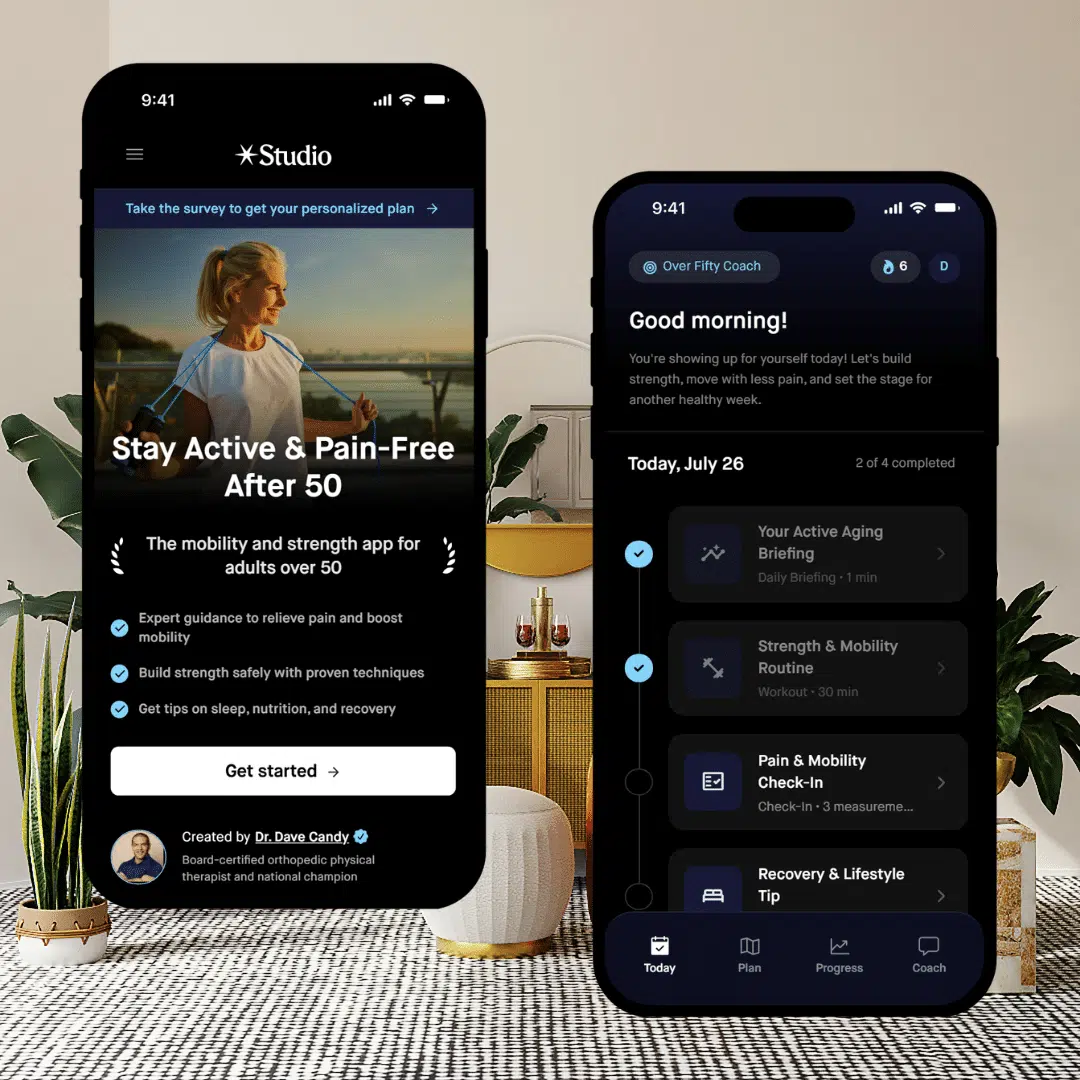
Need Help To Stay Strong and Mobile After 50?
Affiliate Disclosure: This post contains affiliate links to Amazon and/or other sites. While I only recommend products that I trust, as an Amazon Associate, I earn commission from qualifying purchases at no extra cost to you.
Medical Disclaimer: The content on this site is for educational and informational purposes only and is not intended as medical advice. Always consult with a qualified healthcare professional before beginning any new exercise program, diet, or supplement regimen, especially if you have pre-existing health conditions.