
Understanding Inner Knee Pain
Inner knee pain can be frustrating, especially if you’ve already tried strengthening your quads and glutes without relief. Often, the real culprits are three lesser-known muscles that play a crucial role in knee stability. In this post, we’ll explore these muscles and provide actionable strategies to wake them up and alleviate your pain.
The Tibialis Posterior: Your Arch Stabilizer
The first muscle to focus on is the tibialis posterior. This muscle runs down the back of your lower leg and connects to the arch of your foot. Its primary function is to invert the ankle and prevent arch collapse. When the arch collapses, it can cause your knee to buckle inward, leading to pain and potential damage to the meniscus and ligaments.
Exercise to Strengthen the Tibialis Posterior
To strengthen the tibialis posterior, practice intentional walking. Focus on hitting the outside of your foot when you step, controlling how your foot flattens as you walk. This technique encourages arch stability and reduces inner knee pain. You can also practice standing on one leg, trying to keep your arch lifted.
The Popliteus: Unlocking Your Knee
The second important muscle is the popliteus, located at the back of your knee. Its primary job is to unlock your knee from a straightened position, which is essential for bending and stabilizing the knee during movement. When you squat or go up and down stairs, the popliteus helps control knee stability.
How to Activate the Popliteus
To activate the popliteus, you can perform the same scooping exercise mentioned earlier. As you rotate your lower leg while pivoting on your heel, focus on feeling the bone at the front of your ankle move. This exercise not only benefits the tibialis posterior but also engages the popliteus for better control.
Deep Hip External Rotators: Your Hidden Heroes
Finally, don’t forget about the deep hip external rotators. These six small muscles help with hip rotation and play a critical role in knee stability. Strengthening them can significantly reduce inner knee pain.
Effective Exercises for Hip Rotators
To strengthen your deep hip external rotators, sit down and move your leg inwards while trying to rotate your lower leg bone around the thigh bone. For a more functional approach, use a resistance band around your knees while standing. As you squat, focus on driving your knees outwards against the band, which activates all three crucial muscles.
Quick Relief for Inner Knee Pain
If you’re experiencing acute inner knee pain, you may need a quick fix. One effective technique involves crossing your leg over and pushing outward. You might hear a click, which indicates the joint is unlocking. If this doesn’t provide relief, try using your hands to push the upper leg bone outward while pulling on the lower leg bone. This technique can quickly alleviate discomfort.
Next Steps for Managing Inner Knee Pain
While these exercises and quick relief strategies can help, remember that long-term relief requires consistent practice. Focus on strengthening the tibialis posterior, popliteus, and deep hip external rotators, as well as modifying your walking patterns. By addressing these hidden muscles, you can significantly reduce inner knee pain and improve your overall knee stability.
For further guidance and tips, consider consulting a physical therapist who can tailor a program specific to your needs. Your journey toward pain relief and improved function starts with understanding and strengthening these essential muscles.
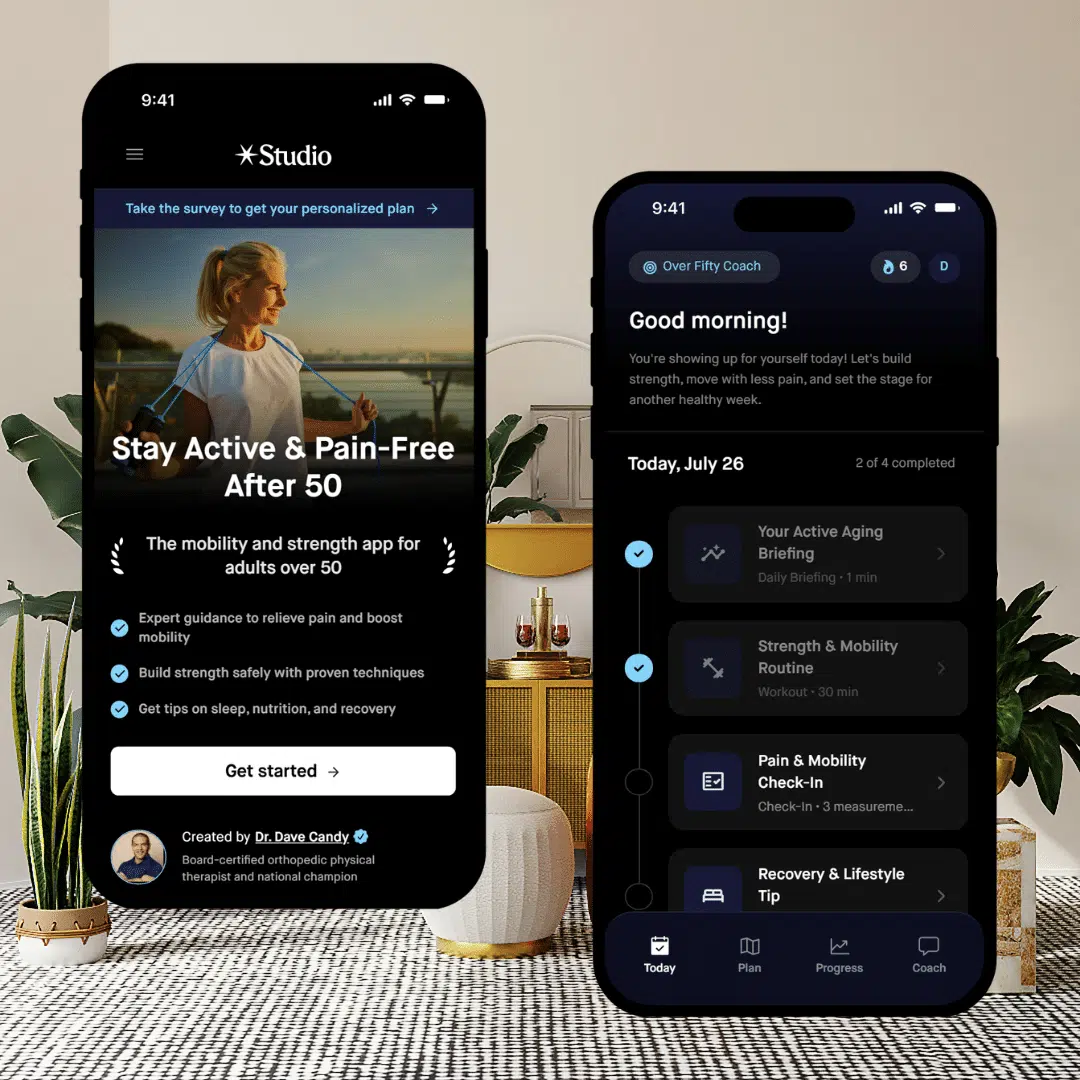
Need Help To Stay Strong and Mobile After 50?
Affiliate Disclosure: This post contains affiliate links to Amazon and/or other sites. While I only recommend products that I trust, as an Amazon Associate, I earn commission from qualifying purchases at no extra cost to you.
Medical Disclaimer: The content on this site is for educational and informational purposes only and is not intended as medical advice. Always consult with a qualified healthcare professional before beginning any new exercise program, diet, or supplement regimen, especially if you have pre-existing health conditions.